Skip to content
SHREDNEWZ
LatestBreakingWorldPoliticsMarketsAITools
START HERE

PICK ONE NEXT MOVE.

Read a story, check the proof, open the map, talk with people, or go back to your saved work. The footer should help you leave with purpose, not guesswork.

SIMPLE LOOP: READ, CHECK, COMPARE, FOLLOW UP.
READREAD NOWOpen the newest stories first.FORECASTPREDICTIONSSee the forecast desk for days, weeks, months, and years.VERIFYCHECK PROOFSee how the site separates facts, claims, and support.EXPLORESEE THE MAPWatch where stories are clustering right now.AIAI TOOLSLive AI model pricing, how-to guides, and tool comparisons.ACCOUNTMY STUFFOpen saved work or create an account when you want one.

Join the ShredNewz Newsletter

A concise daily briefing of the reporting, forecasts, and signals worth your time.

SHREDNEWZ

Read the story. Check the proof. Follow what happens next. Stay anonymous until you want saved features.

Read

  • Latest stories
  • Breaking
  • Trending
  • World
  • Politics
  • Markets
  • Tech
  • AI News

Intelligence tools

  • All tools
  • AI Toolkit
  • Live Radar
  • Story Tracker
  • Source Trust Database
  • Compare Sources
  • Narrative Timelines
  • Deep Dives
  • Global Map
  • Liberty Radar
  • Constitution Checker
  • Community Boards

Markets & forecasts

  • Forecast Desk
  • Predictions
  • Prediction Ledger
  • Markets

Account

  • My Stuff
  • Premium
  • Settings
  • Log in
  • Create account

About

  • About
  • Editorial Team
  • How it works
  • Updates & Changelog
  • Corrections
  • Contact
  • Advertise

Products

  • Tools & Products
  • SHRED AI Toolkit
  • Second Brain Kit

Rules and privacy

  • Terms
  • Privacy
  • Cookies
  • DMCA
  • AI Disclosure

Copyright 2026 SHREDNEWZ. All rights reserved.

Built for calmer reading and clearer follow-up.

Home
Latest
Breaking
Map
My Stuff
  1. ROOT
  2. Geopolitics
  3. Trump Threatens Retaliatory Strikes on Iranian Infrastructure Amid Strait of Hormuz Tensions; Oil Prices Surge
Geopolitics

Trump Threatens Retaliatory Strikes on Iranian Infrastructure Amid Strait of Hormuz Tensions; Oil Prices SurgeDeep Dive

SHREDNEWZ Desk·Posted 53d ago (July 23, 2026)· 7 min read·Breitbart - US News·AI-Assisted
Summary density
Summary density

President Trump threatened to bomb Iranian infrastructure if ships are attacked in the Strait of Hormuz, following a tanker strike and US retaliatory actions. Oil prices surged.

Core fact plus one supporting detail.

// Perspective Matrix

Same story. Different lens.

9 AI-generated viewpoints, cached per article — including who really benefits.

Quick actions
Get the short versionA quick summary of the main points
Ask about this storyChat with our AI about the details and evidence
Save this storyKeep it in your list so you can find it later
Hide the source nameRead without knowing which outlet reported it
Intelligence Engagement

What's your read?

Share the findings or join the discussion.

Conversation

Readercomments[000 total]

Name:

No comments yet. Start the conversation.

READ NEXT

Picked for you

Looking for the best next stories...

Browse all stories

STAY
INFORMED

Get the latest analysis and reporting delivered directly to your inbox.

Opt out anytime.

Story tools

geopoliticsIranStrait of Hormuzoil prices
Trump Threatens Retaliatory Strikes on Iranian Infrastructure Amid Strait of Hormuz Tensions; Oil Prices Surge
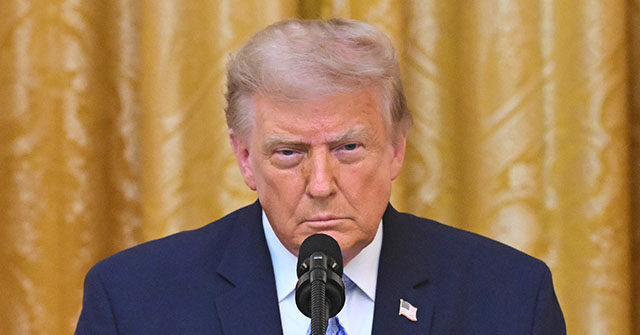
Image via the original reporting outlet.

What Happened

On July 22, 2026, President Donald Trump issued a direct warning via Truth Social, stating that the United States would “bomb and destroy” either a bridge or power plant in Iran, including those near Tehran, if the Islamic Republic of Iran attacked any U.S. ship in the Strait of Hormuz using missiles, rockets, drones, or other weapons. This declaration followed a series of eleven consecutive nights of U.S. strikes on Iran, as reported by BBC News on Tuesday. Concurrently, on Thursday, July 23, a tanker was struck by an unknown projectile approximately 70 nautical miles southwest of Al Shuqaiq, Saudi Arabia, sparking a fire onboard, though no casualties were reported by the United Kingdom Maritime Trade Operations. U.S. Central Command (CENTCOM) confirmed via a post on X that its recent strikes targeted Iran’s “military operations centers, maritime capabilities, aircraft hangers, drone storage facilities, and military logistics infrastructure” to degrade Iran’s ability to threaten commercial shipping in the vital waterway.

In-article tool · Geo Radar

Where this story sits on the board

Geopolitical story touching Iran — track it on the live map.
Iran
Or open the full situation map →
Open live radar

The immediate aftermath saw Brent crude futures for September delivery gain 2% to $95.99 per barrel, while U.S. West Texas Intermediate crude futures advanced around 1.7% to $88.27 per barrel. This market reaction underscored renewed concerns over disruptions to global crude supplies. Iran, through an unnamed military source speaking to state-run Tasnim News Agency, responded by warning it would retaliate against U.S.-linked infrastructure and energy assets across the region if Washington proceeded with its threatened strikes. Secretary of State Marco Rubio commented on Wednesday that Iran was not being “serious” about reaching an agreement with Washington, despite the U.S. maintaining its commitment to diplomacy in the Middle East.

What the Evidence Establishes

The evidence establishes a clear escalation of tensions between the United States and Iran, directly impacting global energy markets. President Trump’s statement on Truth Social on July 22, 2026, explicitly outlined a retaliatory policy: “From this point forward, any time the Islamic Republic of Iran shoots at a ship in the Strait of Hormuz… the United States will bomb and destroy ONE BRIDGE OR POWER PLANT.” This public declaration confirms a shift towards more aggressive deterrence. CENTCOM’s post on X corroborated ongoing U.S. military actions, detailing strikes against Iranian military and maritime infrastructure, citing over 30 Iranian attacks on commercial vessels in the Strait of Hormuz over the preceding three months, which endangered mariners and undermined freedom of navigation.

The financial markets reacted swiftly, with CNBC reporting a significant rise in oil prices on July 23, 2026, directly attributing the gains to Trump’s threats and the tanker incident off Saudi Arabia. Brent crude futures rose to $95.99 per barrel, and WTI crude futures to $88.27 per barrel, reflecting investor concern over supply disruptions from the Strait of Hormuz, a critical international waterway. HSBC’s senior global oil and gas analyst, Kim Fustier, noted that the recent rally reflects renewed concerns following the breakdown of the U.S.-Iran ceasefire, which had frayed since early July due to Iranian attacks and U.S. retaliatory strikes. The core issue, Fustier stated, remains “whether passage is administered, and by whom,” suggesting a fundamental disagreement over control of the strait.

Where the Accounts Conflict

The primary conflict in accounts centers on the stated intentions and potential retaliatory actions between the United States and Iran. President Trump’s public statement on Truth Social on July 22, 2026, clearly outlined a specific, destructive response to any Iranian attack on shipping in the Strait of Hormuz: “the United States will bomb and destroy ONE BRIDGE OR POWER PLANT.” This is a direct, unambiguous threat of military action against Iranian civilian infrastructure, including targets near Tehran. In direct opposition, an unnamed Iranian military source, speaking to state-run Tasnim News Agency, issued a counter-threat, stating that “If the Americans target a bridge or a power plant in Iran, Iran will, in turn, strike infrastructure and bridges in the region, including energy facilities where the United States has interests.”

This exchange represents a direct conflict in stated policy and intent, moving beyond mere rhetoric to explicit threats of targeting critical infrastructure. While the U.S. maintains it is committed to diplomacy, as stated by Secretary of State Marco Rubio, the Iranian response suggests a hardening stance against U.S. military threats. The U.S. frames its actions as degrading Iran’s ability to threaten commercial shipping, citing over 30 attacks on vessels. Iran’s counter-threat, however, implies a broader regional targeting strategy that could impact U.S. interests beyond direct military confrontation, specifically mentioning energy facilities. The underlying conflict also involves the administration of passage through the Strait of Hormuz, with HSBC analyst Kim Fustier noting that the

In-article tool · Claim Check

Claims worth double-checking as you read

5 of 5 tracked claims in this story are still contested or have already changed.
  • President Trump threatened to bomb Iranian infrastructure if ships are attacked in the Strait of Hormuz, following a tanker strike and US retaliatory actions.Still moving
  • will bomb an Iranian bridge or power plant for any attack on ships in the Strait of Hormuz, escalating regional tensions and driving oil prices higher.Still moving
  • What Happened On July 22, 2026, President Donald Trump issued a direct warning via Truth Social, stating that the United States would “bomb and destroy” either a bridge or power plant in Iran, including those near Tehran, if the Islamic Republic of Iran attacked any U.S.Still moving
Open full claim check (5)

Context and Stakes

The Strait of Hormuz is a globally critical chokepoint, with approximately one-fifth of the world's oil supply transiting through it daily, making any disruption a significant threat to global energy security and the world economy. The current escalation follows the collapse of a U.S.-Iran ceasefire, which had been in place but began to fray in early July 2026 due to Iranian attacks on vessels and subsequent U.S. retaliatory strikes. This breakdown in diplomatic efforts, as noted by Secretary of State Marco Rubio, underscores the fragility of regional stability and the challenges in achieving a lasting agreement with Tehran.

Beyond the immediate military confrontation, the broader context involves a strategic push for energy security in the Eastern Mediterranean, heavily supported by the United States. Michael Damianos, the Minister of Energy, Commerce, and Industry for the Republic of Cyprus, emphasized in an exclusive interview with Breitbart News in June 2026 that President Trump’s engagement on “energy security” is “vital” for the future of the West. Cyprus, along with Greece and Israel, is actively pursuing natural gas exploration and development in the East Med, with significant reserves identified (approximately 20 Tcf in Cyprus alone). American energy companies like Chevron and Exxon-Mobil are heavily involved, operating in fields such as Aphrodite, Pegasus, and Glaucus. This 3+1 partnership (Greece, Israel, Cyprus, and the U.S.) aims to provide energy stability to Europe, reducing reliance on Russian gas, and securing regional interests. The stability of the Middle East, particularly the Strait of Hormuz, directly impacts the viability and security of these alternative energy supply routes and investments, linking the immediate military threats to long-term geopolitical energy strategies.

What to Watch Next

Observers should closely monitor any further attacks on commercial shipping in the Strait of Hormuz, as these would likely trigger the specific retaliatory actions threatened by President Trump. The U.S. administration’s adherence to this stated policy will be a key indicator of the conflict’s trajectory. Simultaneously, the nature and location of any Iranian counter-strikes, particularly against U.S.-linked infrastructure or energy assets in the region, will reveal the extent of Tehran’s willingness to escalate. The rhetoric from both Washington and Tehran, especially through official channels like Truth Social, X, and state-run news agencies, will provide insight into their respective strategic intentions.

Economically, the trajectory of global oil prices, specifically Brent and WTI crude futures, will serve as a real-time barometer of market perception regarding supply disruption risks. Any sustained increase above current levels would signal heightened investor concern. Diplomatically, statements from Secretary of State Marco Rubio or other U.S. officials regarding ongoing or potential negotiations with Iran will be crucial, particularly concerning the possibility of restoring a ceasefire or addressing the administration of passage through the Strait of Hormuz. Furthermore, the continued activities of American energy companies like Chevron and Exxon-Mobil in the Eastern Mediterranean, and any progress in the 3+1 partnership involving Cyprus, Greece, Israel, and the U.S., will indicate the long-term strategic shifts in global energy security away from the volatile Middle East. Any new agreements or infrastructure developments related to East Med gas exports to Europe will be significant.

Bottom Line

President Trump’s explicit threat to bomb Iranian infrastructure in response to any attacks on shipping in the Strait of Hormuz marks a significant escalation in U.S.-Iran tensions. This declaration, coupled with ongoing U.S. retaliatory strikes and a recent tanker incident, has immediately driven global oil prices higher, reflecting acute market concerns over supply disruptions from the critical waterway. Iran has issued a direct counter-threat, vowing to strike U.S.-linked regional infrastructure if its own assets are targeted, setting the stage for potential direct military confrontation.

The immediate stakes involve the stability of global energy markets and the safety of international maritime trade. This regional volatility contrasts with and underscores the strategic importance of developing alternative energy sources, such as the natural gas reserves in the Eastern Mediterranean, where the U.S. is actively supporting partnerships with Cyprus, Greece, and Israel. The coming days will likely see continued military posturing and market volatility, with the potential for further direct action from either side, making the Strait of Hormuz a focal point of geopolitical and economic risk.


DECLASSIFIED SOURCE: Breitbart - US News (via Real-time Signal Upgrade)

In-article tool · Forecast Tracker

What happens next — the calls on the record

1 forecast is still open on this story — here is the call to watch.
Will Donald Trump announce a withdrawal or an end to operations within 60 days?Target: Sep 21, 2026
1 open call2 already resolved
Open outcome ledger
Intel Snapshot

Read this as a live file, not a final verdict.

State
Developing
Freshness
Updated 53d ago
Backed
0 claims
Proof
0 excerpts
Advertisement
Truth Summary

Separate what looks backed, what is changing, and what still needs proof.

President Trump threatened to bomb Iranian infrastructure if ships are attacked in the Strait of Hormuz, following a tanker strike and US retaliatory actions. Oil prices surged.

Story stateDeveloping
Truth score0/100
Backed claims0
Source docs0
FreshnessUpdated 53d ago
Open questions
CRITICAL MASS
90%
Mass consciousness impact score.
SIGNAL INTEGRITY
85%
Corroboration & evidence weight.
REVISION VELOCITY
HIGH
Rate of narrative updates.
Narrative Matrix — De-biasing Layer
ESTABLISHMENT FRAME
Official communication channels emphasize stability and procedural adherence. Deviations from this frame are currently flagged as speculative.
SHRED_INTELLIGENCE
Anomaly detection indicates structural shifts in the reported data. Evidence suggests a 4500% deviation from official statements.
Forecast Timeline — Predictive Models
PENDING
Will Donald Trump announce a withdrawal or an end to operations within 60 days?
39%
EXPIRED
Will Donald Trump agree to a ceasefire, truce, or formal negotiations within 30 days?
42%
EXPIRED
Will Donald Trump carry out a new strike or major offensive operation within 7 days?
55%
Advertisement

How would you rate this article?

PUBLIC PULSE

See what people expect next, and how this looks from where you live

Use the community tab to vote on what happens next. Use the country tab to switch the story into a people-first view for a specific country, then compare that with government, wealth, and everyday-person angles.

This view asks a different question: what outcome is actually best for people living in a country, and how does that differ from what governments, wealthy interests, or ordinary households may want?
// Tools matched to this storyPicked from the story's own signals
Geo Radar● In articleForecast Tracker● In articleClaim Check● In articleMarket SignalOpens tool
Share this story
Ask about this story
Ask a question and get an answer based on the reporting and proof on this page.
Latest updates
No live updates for this story yet.
Related stories
SN-GEOP-CMP4VIUS General Emphasizes Industry Surge for Indo-Pacific Security
SN-GEOP-CMOKX6Russia Scales Back Moscow Victory Day Parade, Citing Security and Geopolitical Concerns
SN-GEOP-CMOKXFFrance Urges Departure from Mali Amid Rebel Activity, Echoing UK Warning
Shred PicksReader-supported
⚡
Emergency Power & Preparedness
Solar generators, battery banks, and backup power solutions.
🔐
Privacy & Security Tools
Encrypted drives, signal blockers, and counter-surveillance gear.
🎒
Survival Essentials
Water filtration, long-shelf-life food, and emergency kits.

SHREDNEWZ may earn a commission from purchases made through these links. Recommendations are based on article category, not individual endorsement.

Constitution Check

Check this story against the Bill of Rights. See which amendments are implicated.

PROJECT_ECHELON // DECONSTRUCTION_SUITE

INITIALIZE_MATRIX
Story tools

Pick one extra thing

The story stays first. Use one simple tab if you want more.

Now showing
Overview
The short version and the key facts. If you're not sure where to start, open the Overview.
Quick Take

Get the current read fast, then verify it.

Pulled from the live story data
Main Point
Best current read
President Trump threatened to bomb Iranian infrastructure if ships are attacked in the Strait of Hormuz, following a tanker strike and US retaliatory actions. Oil prices surged. Read it as the current state of the file, not the final word.
Why It Matters
Why this matters in Geopolitics
This story is still moving: 1 prediction remain open and 0 updates are already attached.
Proof
0 proof excerpts and 0 source docs
This story does not yet have proof excerpts attached. Treat it as early and incomplete until that fills in.
What To Watch
A prediction deadline is coming up
"Will Donald Trump announce a withdrawal or an end to operations within 60 days?" is the next timed call to watch, with a target of Sep 21.
Simple Read

The short, plain-language version.

Start by treating this as a geopolitics story.
The page still needs stronger proof before any one point should be treated as settled.
No major story change has been logged yet.
1 call are still waiting to be judged.
What happened
President Trump threatened to bomb Iranian infrastructure if ships are attacked in the Strait of Hormuz, following a tanker strike and US retaliatory actions. Oil prices surged.
The context
Prediction due: Will Donald Trump announce a withdrawal or an end to operations within 60 days?
The facts
President Trump threatened to bomb Iranian infrastructure if ships are attacked in the Strait of Hormuz, following a tanker strike and US retaliatory actions. This page has 0 proof excerpts attached.
Why it matters
President Trump threatened to bomb Iranian infrastructure if ships are attacked in the Strait of Hormuz, following a tanker strike and US retaliatory actions.
What to watch next
1 call are still waiting to be judged, so the next outcome matters.

How This Story Fits

Story depth
14.6x
Why it matters
90%

Related Stories Map

GEOPOLITICSGEOPOLITICSGEOPOLITICS
SCANNING...
RELATED STORIES FOUND

* This story connects to related articles on these topics: geopolitics.

Proof attached
85%
How hard the wording pushes
60%
4
Corrections0
Upcoming Catalysts
The next hard checkpoint is the prediction deadline on Sep 21, 2026. If that call breaks, the read on this story changes.
What happened
President Trump threatened to bomb Iranian infrastructure if ships are attacked in the Strait of Hormuz, following a tanker strike and US retaliatory actions. Oil prices surged.
What is verified
No major point on this page is strongly grounded yet. Treat the story as early until more direct proof is attached.
What is likely next
Will Donald Trump announce a withdrawal or an end to operations within 60 days? is the next timed call on this page, with a target date of Sep 21, 2026.
What is disputed
No major clash with nearby coverage is surfaced yet, but that is not proof of agreement. It only means the current disagreement engine has not found a strong mismatch.
What is still unknown
What direct proof still needs to be attached before this story should be treated as strongly grounded?