What Happened
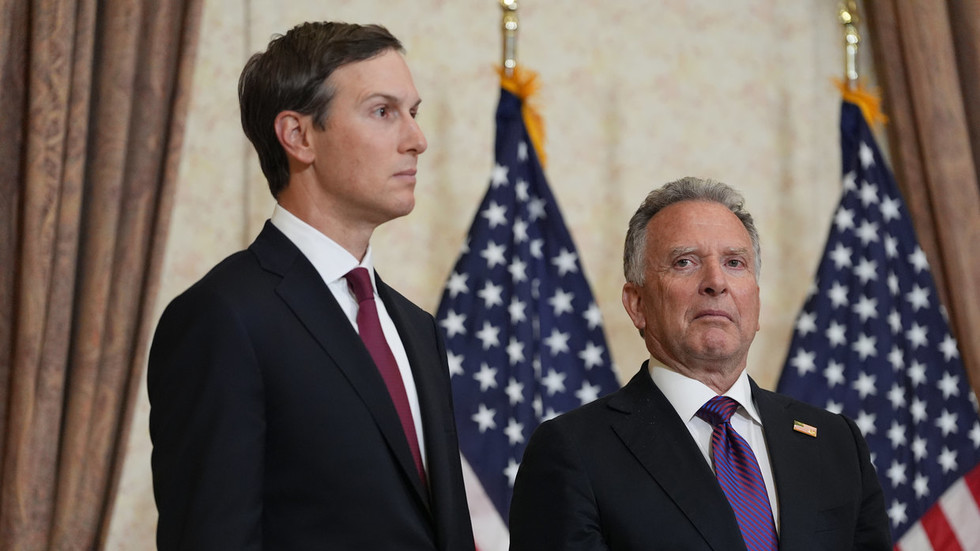
U.S. Special Envoy Steve Witkoff announced on Monday, November 3, 2026, that the United States will mediate a new round of working-level negotiations between Ukraine and Russia. These critical discussions are scheduled to take place on November 10 and 11 in Abu Dhabi, located in the United Arab Emirates. Witkoff, who recently met with Russian President Vladimir Putin, stated that the talks aim to deliver "lasting security for generations to come" and are part of President Trump’s broader mission to end the ongoing conflict. The agenda for the Abu Dhabi negotiations will specifically address post-war security arrangements, de-escalation strategies, humanitarian efforts, and the subsequent steps required to achieve a durable peace. This announcement follows earlier diplomatic engagements in Kyiv, Oslo, and St. Petersburg, which the Trump administration has been leveraging in its efforts to broker an end to the conflict that began with Russia's full-scale invasion of Ukraine in February 2022.
Prior to the Abu Dhabi summit, U.S. negotiators are slated to hold preparatory meetings this week in Brussels. These meetings will involve representatives from key European allies, including France, Germany, the United Kingdom, the European Union, and NATO. The discussions in Brussels will focus on establishing robust security guarantees for Ukraine, defining Europe’s post-war security architecture, and exploring economic opportunities to support Ukraine’s extensive reconstruction needs. Ukrainian President Volodymyr Zelenskyy has previously indicated his openness to freezing front lines in exchange for concrete security guarantees, a position he articulated to Brian Kilmeade. The involvement of figures like American Military Project director Will Thibeau in public analysis underscores the significant attention these diplomatic maneuvers are receiving.
What the Evidence Establishes
The evidence establishes that U.S. Special Envoy Steve Witkoff formally announced U.S.-mediated negotiations between Ukraine and Russia. This announcement was made on Monday, November 3, 2026, and was reported by Fox News World and corroborated by an Operative Telegram Feed. Witkoff explicitly stated via X (formerly Twitter) that the talks would occur on November 10-11 in Abu Dhabi, United Arab Emirates. His post detailed the focus areas: "post-war security arrangements, de-escalation, humanitarian efforts, and next steps toward peace." The Fox News report further confirms that these efforts build upon previous diplomatic discussions held in Kyiv, Oslo, and St. Petersburg, indicating a sustained U.S. diplomatic push under the Trump administration since Russia's February 2022 invasion.
Furthermore, the evidence confirms that preparatory meetings are scheduled for this week in Brussels. These meetings will include U.S. negotiators alongside representatives from France, Germany, the United Kingdom, the EU, and NATO. The agenda for these Brussels discussions is clearly defined as "security guarantees for Ukraine, Europe’s post-war security architecture, and economic opportunities to support Ukraine’s reconstruction." The involvement of President Donald Trump in these diplomatic initiatives is highlighted by his recent statement last month that efforts to resolve the war were "maybe now the closest we’ve been," reflecting a belief that both sides are seeking an end to the prolonged conflict. Ukrainian President Volodymyr Zelenskyy's stated willingness to consider freezing front lines in exchange for security guarantees provides a key context for the Ukrainian negotiating position.
Where the Accounts Conflict
The provided source documents, consisting of a Fox News World report and an Operative Telegram Feed, are largely consistent in their reporting of the upcoming U.S.-mediated talks between Ukraine and Russia. Both sources confirm the key details: the U.S. will mediate, the talks are scheduled for November 10-11, and the location is Abu Dhabi. Special Envoy Steve Witkoff is identified as the primary source for this information in both accounts, with his statement on X being directly referenced.
Minor differences exist primarily in the level of detail and additional context provided. The Fox News article offers a more extensive narrative, including Witkoff's full quote from X, mentions of President Trump's previous statements on the conflict's resolution, and details about the preparatory meetings in Brussels with European and NATO representatives. It also references Ukrainian President Volodymyr Zelenskyy's stance on freezing front lines for security guarantees and includes analysis from Will Thibeau. The Operative Telegram Feed, conversely, provides a more concise summary, focusing solely on the core announcement of the Abu Dhabi talks and the Brussels meetings. There are no direct contradictions regarding the factual elements of the announcement, but rather a difference in the breadth of information presented, with Fox News offering a more comprehensive overview of the diplomatic landscape surrounding the upcoming negotiations.
Context and Stakes
The upcoming U.S.-mediated talks in Abu Dhabi represent a significant diplomatic push to address the ongoing conflict between Russia and Ukraine, which commenced with Russia's full-scale invasion in February 2022. The war has resulted in extensive casualties, widespread destruction, and a profound geopolitical realignment in Europe. President Donald Trump's administration has consistently sought to position itself as a broker for peace, building on earlier, less publicized diplomatic efforts in Kyiv, Oslo, and St. Petersburg. The involvement of a U.S. Special Envoy, Steve Witkoff, and the high-level nature of the discussions underscore the strategic importance Washington places on de-escalating the conflict and shaping the post-war security landscape.
The stakes for these negotiations are exceptionally high. For Ukraine, the talks offer a potential pathway to securing its borders and receiving robust security guarantees, which President Zelenskyy has repeatedly emphasized as a prerequisite for any ceasefire or peace agreement. For Russia, engaging in these talks could provide an opportunity to stabilize its international standing and potentially alleviate some of the economic and political pressures it faces. For the United States and its European allies, the outcome will directly impact regional stability, the future of NATO, and the broader international order. The discussions in Brussels this week, focusing on Ukraine's security guarantees and Europe's post-war architecture, highlight the collective effort to define a new security paradigm that could prevent future conflicts and support Ukraine's long-term recovery and integration.
What to Watch Next
The immediate focus will be on the preparatory meetings scheduled for this week in Brussels. U.S. negotiators will engage with representatives from France, Germany, the United Kingdom, the EU, and NATO to discuss critical issues such as security guarantees for Ukraine and Europe’s post-war security architecture. The content and tone of any joint statements or communiqués emerging from these Brussels discussions will provide crucial insights into the unified Western position heading into the Abu Dhabi talks. Observers should monitor for specific proposals regarding security frameworks, potential economic aid packages for Ukraine's reconstruction, and any indications of a coordinated diplomatic strategy among allies.
Following the Brussels meetings, all attention will shift to Abu Dhabi on November 10-11, where the U.S.-mediated working-level negotiations between Ukraine and Russia will take place. Key indicators of progress will include whether a joint statement is issued, the establishment of specific working groups for humanitarian issues or de-escalation, and any agreement on a framework for future, higher-level talks. The absence of a joint statement or a clear path forward could signal significant impasses. Furthermore, statements from Ukrainian President Volodymyr Zelenskyy and Russian President Vladimir Putin in the days immediately following the Abu Dhabi talks will be critical in assessing the perceived success or failure of these diplomatic efforts and their respective next steps. The market reaction to these diplomatic developments, particularly in energy and defense sectors, will also be a point of interest.
Bottom Line
The United States, through Special Envoy Steve Witkoff, has initiated a direct mediation effort for working-level negotiations between Ukraine and Russia, scheduled for November 10-11 in Abu Dhabi. These talks are framed as a continuation of the Trump administration's push to end the conflict and will address post-war security, de-escalation, and humanitarian concerns. Prior to this, U.S. officials will meet with European and NATO allies in Brussels to coordinate on security guarantees and reconstruction efforts for Ukraine. The diplomatic initiative underscores a high-stakes attempt to find a resolution to the ongoing war, with both sides having expressed some openness to dialogue, albeit with differing preconditions.
The success of these negotiations hinges on the ability of the parties to move beyond entrenched positions and establish concrete mechanisms for de-escalation and long-term security. While the announcement itself signals a renewed commitment to diplomatic solutions, the history of the conflict suggests that achieving a comprehensive and durable peace agreement will be a complex and protracted process. The outcomes of both the Brussels preparatory meetings and the Abu Dhabi talks will provide critical indicators of the viability of this diplomatic pathway and the potential for a significant shift in the geopolitical landscape of Eastern Europe.
DECLASSIFIED SOURCE: RT - News (via Real-time Signal Upgrade)
No comments yet. Start the conversation.