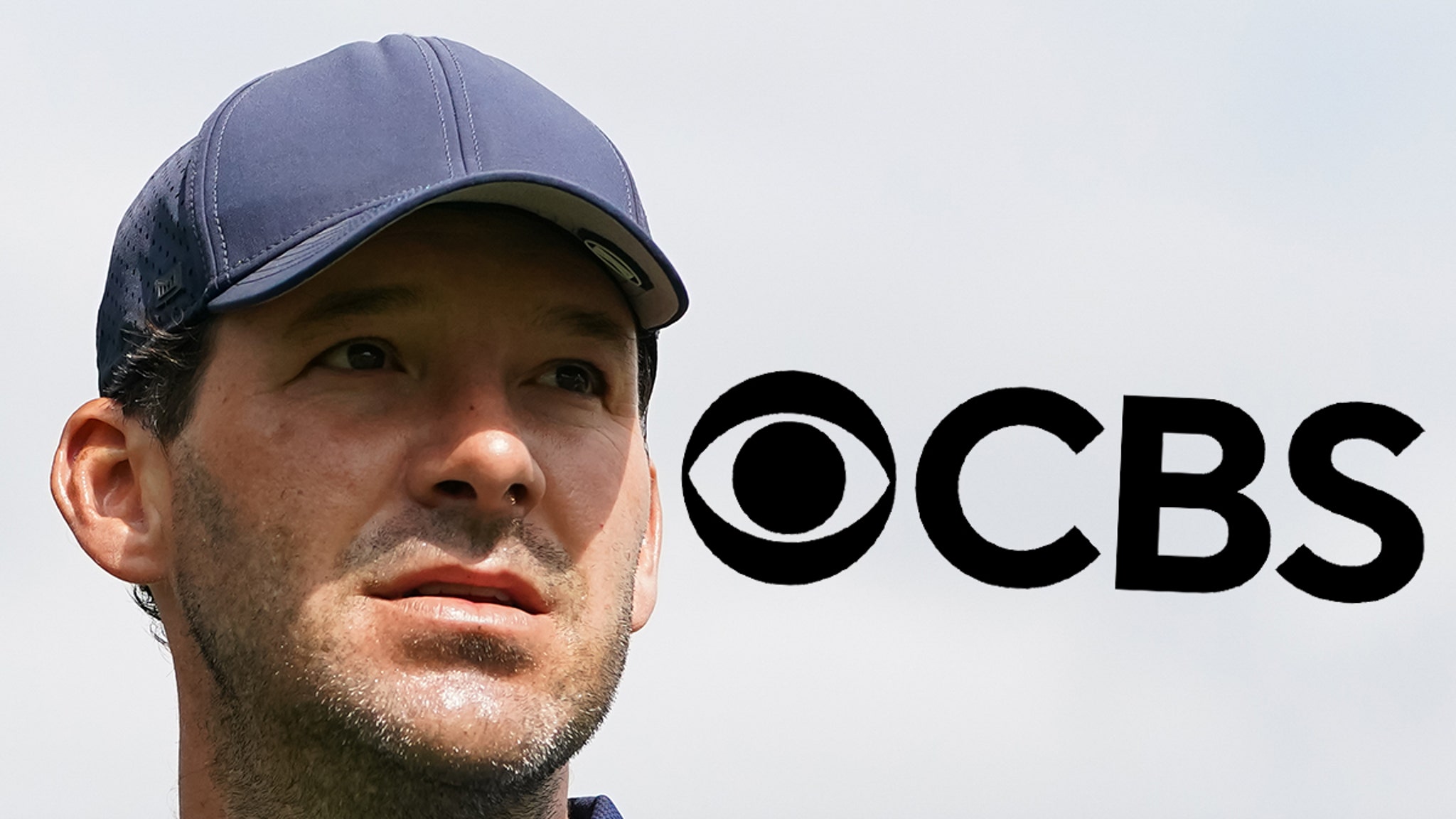
What Happened
On July 24, 2026, Tony Romo was arrested by a Milwaukee County Sheriff’s Office deputy in Wisconsin for suspected operating while intoxicated (OWI) after being pulled over for unsafe passing on the southbound I-43 high-rise bridge. The 46-year-old former Dallas Cowboys quarterback told deputies he had consumed zero alcoholic beverages and was en route to visit his grandparents after a golf outing. However, the deputy reported observing red, glassy eyes and detecting an odor of alcohol on Romo’s breath, leading to the discovery of "a few shooters" in his backpack and an open bottle of alcoholic beverage in his vehicle’s passenger seat. Romo was transported to the station for field sobriety testing, where he requested to stretch beforehand and later questioned the deputies’ instructions, stating "No, there’s too many." When asked to submit to a breathalyzer, Romo refused, citing legal advice and requesting his lawyer for the eighth time. He was subsequently charged with OWI, possessing open intoxicants, unsafe passing, and refusing a chemical test, which triggered an automatic driver’s license revocation notice under Wisconsin state law. Romo was booked and released shortly after his arrest, with an initial court intake hearing scheduled for September 21, 2026.
What the Evidence Establishes
The evidence establishes that Romo’s arrest involved multiple verifiable facts documented by law enforcement and reported by both TMZ and Page Six. Deputies initiated the traffic stop based on unsafe passing behavior, a detail Romo did not dispute. During the stop, the arresting deputy specifically cited Romo’s driving pattern, his stated origin from a golf course, and physical indicators—red, glassy eyes and an alcohol odor—as grounds for the OWI investigation. Physical evidence recovered included multiple alcoholic beverage containers described as "shooters" located in Romo’s backpack and an open bottle found in the car’s passenger compartment, contradicting Romo’s claim of zero alcohol consumption. Romo’s own statements during the encounter are part of the evidentiary record: he requested to perform stretching exercises before field sobriety tests, completed them on a patrol vehicle, expressed confusion about the deputies’ instructions, and explicitly refused chemical testing while invoking his right to legal counsel. The charges filed—operating a vehicle while intoxicated, possessing open intoxicants in a vehicle, unsafe passing, and refusing a chemical test—are standard Wisconsin OWI-related offenses, with the refusal charge automatically initiating license revocation proceedings. Romo’s subsequent actions, including backing out of a Texas tournament appearance and CBS Sports’ confirmation of his leave status via statement to TMZ Sports and Page Six, confirm the professional consequence directly tied to the arrest event.
Where the Accounts Conflict
The primary accounts from TMZ and Page Six show no substantive conflict regarding the core events of Romo’s arrest, his statements to deputies, or CBS Sports’ leave decision. Both outlets consistently report the July 24 arrest date, the location on I-43 in Milwaukee, Romo’s claim of zero alcohol consumption, the deputy’s observations of impairment indicators, the discovery of alcohol containers, Romo’s refusal of chemical testing, his request for legal counsel, and the September 21 court date. Minor differences exist in contextual detail rather than factual contradiction: TMZ emphasized the timing relative to the upcoming NFL season kickoff in September and noted Romo’s lack of public comment, while Page Six provided a more granular chronology of the field sobriety test interaction, including Romo’s specific quotes about stretching, instruction confusion, and his repeated lawyer requests. Neither outlet disputes the deputy’s reported findings of open alcohol containers or the basis for the OWI investigation. The absence of conflicting narratives between these two independent reports strengthens the reliability of the established sequence of events. No evidence in the source material suggests disagreement on whether Romo was actually impaired, as both outlets present the deputy’s observations and evidence recovery as factual without challenging their validity. The accounts align on Romo’s post-arrest actions, including the canceled Texas appearance and the network’s leave announcement, indicating consensus on the immediate professional repercussions following the arrest.
Context and Stakes
Contextually, Romo’s arrest occurs amid his prominent role as CBS Sports’ lead NFL game color analyst, a position he has held since transitioning from broadcasting following his April 2017 retirement from professional football. His analyst position is particularly significant given the imminent NFL season, with Week 1 games scheduled for early September 2026—just weeks after his September 21 court intake hearing. The stakes for Romo include potential legal penalties under Wisconsin law for OWI and related offenses, which may encompass fines, mandatory alcohol education, license suspension or revocation, and possible jail time depending on prosecution and judicial outcomes. Professionally, CBS Sports’ decision to place him on leave "until further notice" creates uncertainty about his availability for the season’s opening broadcasts, potentially requiring the network to deploy alternative analysts for high-profile early-season games. Financially, while specific contract details are undisclosed, lead NFL analyst contracts typically involve substantial annual compensation; any extended absence or termination could impact Romo’s earnings. Personally, the incident affects Romo’s family life as he is married to former Miss Missouri USA Candice Crawford, with whom he shares three sons, adding reputational and familial dimensions to the legal proceedings. The case also touches on broader issues of accountability for public figures in media roles, particularly concerning off-duty conduct that may impair professional responsibilities, though CBS Sports has not specified whether the leave is punitive, precautionary, or tied to internal policy reviews regarding employee conduct.
What to Watch Next
Immediate developments to monitor include the outcome of Romo’s refusal hearing regarding the Wisconsin driver’s license revocation triggered by his chemical test refusal, which typically occurs separately from the criminal OWI case but shares overlapping evidence. The September 21, 2026 intake hearing will determine whether the case proceeds to arraignment and potential plea negotiations or trial setting, with possible consequences ranging from dismissed charges to conviction on one or more counts. CBS Sports’ next steps regarding Romo’s leave status will likely hinge on developments in the legal case; the network may await the September hearing outcome before deciding on reinstatement, extended leave, or potential termination, especially if evidence proves compelling. Romo’s public communication strategy remains another watchpoint, as he has yet to address the arrest publicly despite backing out of scheduled appearances; any future statement could influence public perception and network deliberations. Additionally, observers should note whether Wisconsin prosecutors pursue all four charges or pursue plea bargains on lesser offenses, which would affect both legal penalties and CBS Sports’ risk assessment. The timeline is critical: with the NFL season opening in early September, any resolution after the September 21 hearing but before Week 1 games could still allow for Romo’s return, whereas delays beyond that point increase likelihood of prolonged absence. Media industry precedents suggest networks often evaluate such situations case-by-case, weighing contractual morals clauses, audience sentiment, and legal outcomes before finalizing on-air talent decisions.
Bottom Line
Tony Romo’s July 24, 2026 OWI arrest in Wisconsin resulted in immediate professional consequences with his placement on leave by CBS Sports, supported by concrete evidence including deputy observations of impairment, recovered alcohol containers, and his refusal of chemical testing. The legal process moves forward with a September 21, 2026 court intake hearing that will shape both his potential criminal liability and driving privileges, while his return to NFL broadcast duties remains contingent on how swiftly the case resolves relative to the season timeline. Although the arrest presents clear legal and professional risks, the absence of conflicting accounts between credible sources TMZ and Page Six strengthens the factual foundation for understanding the event’s sequence and immediate aftermath. The situation underscores how off-duty legal incidents involving high-profile media figures can trigger rapid organizational responses, even absent formal conviction, as networks manage reputational and operational risks associated with talent conduct. Ultimately, Romo’s immediate future with CBS Sports depends on judicial proceedings in Wisconsin, with the network’s leave status serving as a precautionary measure pending legal clarity rather than a predetermined disciplinary outcome.
DECLASSIFIED SOURCE: TMZ (via Real-time Signal Upgrade)
It's crazy how quickly things change for someone with this kind of profile, but I wonder how this affects the broadcasting contracts for other analysts at CBS. If they pull one person, does it mean they're going to ti...