What Happened
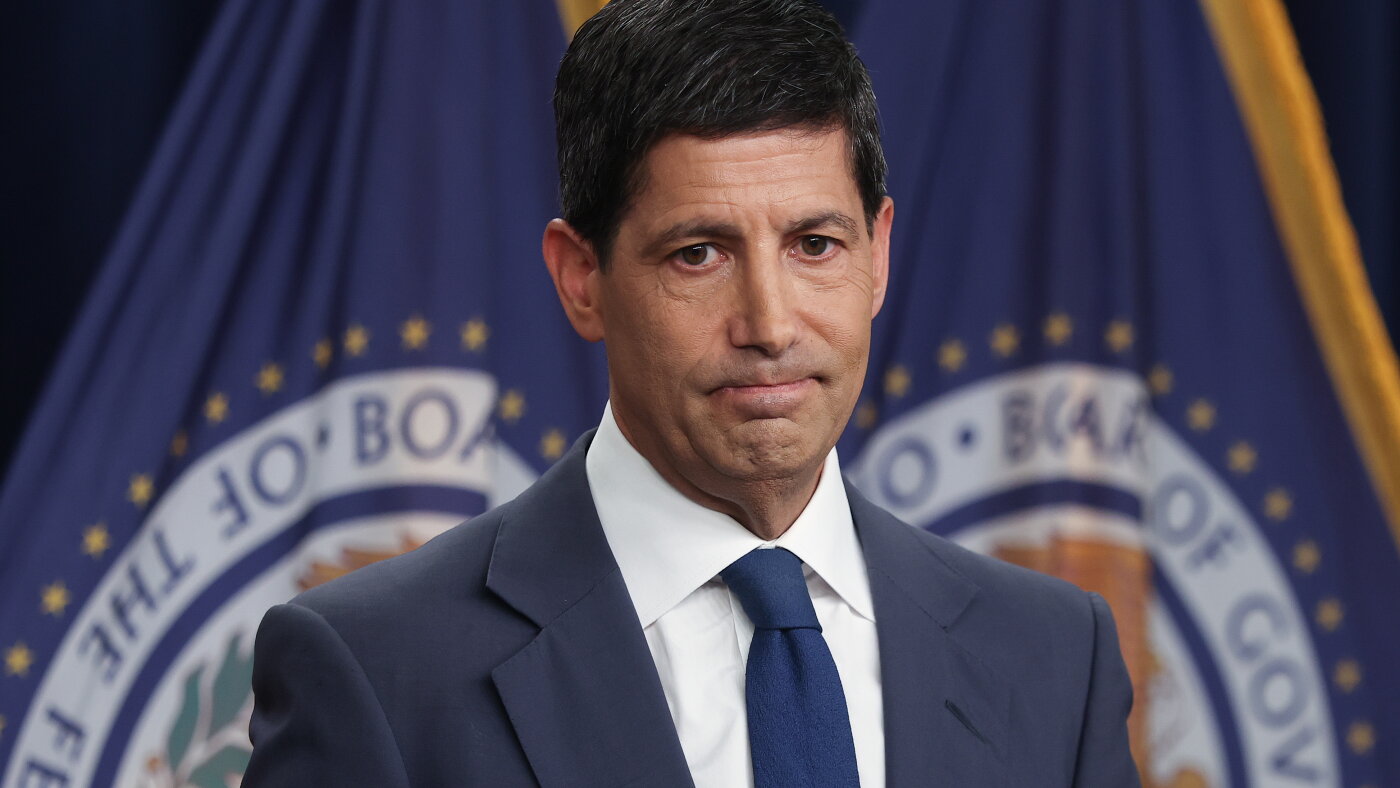
On Wednesday, September 16, 2026, Federal Reserve Chair Kevin Warsh is widely anticipated to announce an increase in the benchmark interest rate, marking the first such hike in three years. This move is intended to counter persistent inflation, which reached 3.7% in July, according to the Fed's preferred measure. The expected quarter-point increase would push the Fed's benchmark rate to approximately 3.9%. This decision comes barely four months into Warsh's tenure, placing him between financial markets that expect a hike and President Donald Trump, who advocates for rate cuts or maintaining current levels. Economists largely predict Warsh and his fellow policymakers will side with market expectations, a stance reinforced by a high-profile speech last month where Warsh warned about inflation exceeding the Fed's 2% target.
The pressure for a rate hike intensified following a report last week indicating stubbornly high inflation, which solidified investor expectations. The rate on the 10-year Treasury bond recently climbed to 5% for the first time in three years, directly impacting mortgage rates. This situation echoes a dilemma Warsh faced in late July, when the central bank left its key rate unchanged despite his earlier tough rhetoric on inflation. That prior decision, for which Warsh provided little explanation, led investors to push up longer-term interest rates, a process that continues to accelerate.
What the Evidence Establishes
Evidence from multiple sources establishes a strong consensus among economists and financial markets that the Federal Reserve will raise interest rates today. NPR News reports the Fed is
What to Watch Next
The immediate focus will be on the Federal Reserve's announcement today, September 16, 2026, regarding the benchmark interest rate. Beyond the initial hike, market participants will closely scrutinize the Fed's quarterly economic projections, which are also due for release. These projections will include the central bank's forecast for where its benchmark rate will stand at the end of this year and next, offering crucial insights into the potential trajectory of monetary policy. Wall Street investors currently anticipate three rate hikes in total, with additional increases projected for December and March.
However, economists like Jonathan Pingle of UBS suggest that the Fed's future actions are not predetermined. Pingle noted that the central bank does not
Bottom Line
Federal Reserve Chair Kevin Warsh is expected to implement the first interest rate hike in three years today, September 16, 2026, raising the benchmark rate to approximately 3.9%. This decision prioritizes the Fed's mandate to combat inflation, which stood at 3.7% in July, and aims to restore market confidence in the central bank's 2% target. The move comes despite President Donald Trump's preference for lower rates, highlighting the ongoing tension between political pressure and the Fed's operational independence. Economists warn that failing to hike rates could undermine the Fed's credibility and lead to higher long-term borrowing costs through market forces.
The hike is anticipated to make borrowing more expensive for consumers and businesses, impacting car loans, credit card balances, and mortgages. While a single hike is unusual, the Fed's future actions will be data-dependent, with potential for further increases if inflation persists or a pause if economic data cools. The political fallout from President Trump's likely disapproval will also be a key development to monitor in the coming days, though his administration has indicated a defense of the Fed's independence.
What the Evidence Establishes
Evidence from multiple sources establishes a strong consensus among economists and financial markets that the Federal Reserve will raise interest rates today. NPR News reports the Fed is "widely expected to raise its benchmark interest rate to combat stubborn inflation." This expectation is corroborated by the Operative Telegram Feed, which states that "Economists expect that on Wednesday, Warsh and his fellow policymakers will side with the markets." Federal Reserve Chair Kevin Warsh himself contributed to this expectation by delivering a "high-profile speech last month warning that inflation remains too far above the Fed's 2% target." The latest inflation data, showing a 3.7% rate in July, further solidified these expectations among investors.
The financial markets have already reacted to the anticipation of a hike. The rate on the 10-year Treasury bond reached 5% last week, a three-year high, directly influencing mortgage rates. This market tightening is a key factor, as Diane Swonk, chief economist at KPMG, explained: "A hike now could lower long-term rates later." She added that restoring faith in the 2% target is crucial, otherwise "markets will tighten instead through higher mortgage rates, business borrowing costs and interest on the debt." The evidence also establishes President Trump's consistent opposition to rate hikes, having "harshly criticized Warsh's predecessor, Jerome Powell, for not cutting rates quickly enough."
Where the Accounts Conflict
The primary conflict in the accounts centers on the appropriate monetary policy direction: the Federal Reserve's anticipated rate hike versus President Donald Trump's desire for rate cuts or unchanged rates. Financial markets and a broad consensus of economists, as reported by both NPR and the Operative Telegram Feed, expect Fed Chair Kevin Warsh to raise interest rates. This expectation is driven by persistent inflation, which reached 3.7% in July, significantly above the Fed's 2% target. Warsh himself has publicly indicated that higher borrowing costs might be necessary to bring inflation down, effectively boxing himself into a hawkish stance.
Conversely, President Trump has consistently advocated for lower interest rates. His administration's stance is highlighted by his past criticisms of former Fed Chair Jerome Powell for not cutting rates quickly enough, even leading to a Justice Department investigation into Powell's testimony, which was later dropped. While Kevin Hassett, Trump's top economic adviser, stated that Trump "will defend the independence of Kevin Warsh above all," he also acknowledged that the President would "not be super happy about it" if a rate hike occurs. This creates a direct conflict between the Fed's evidence-based economic mandate and the White House's political preferences, with Warsh's decision seen as a test of the central bank's independence.
Context and Stakes
The Federal Reserve's impending decision on interest rates carries significant economic and political stakes. Economically, a rate hike aims to curb inflation, which has been stubbornly high, reaching 3.7% in July. If the Fed fails to act, economists warn of a potential replay of late July, when an unchanged rate decision led investors to push up longer-term interest rates, accelerating market tightening. This could result in higher mortgage rates, increased business borrowing costs, and greater interest on the national debt, as articulated by KPMG's chief economist Diane Swonk. The hike, expected to be a quarter-point, would raise the benchmark rate to about 3.9%, making borrowing more expensive for consumers and businesses alike.
Politically, the decision tests the Federal Reserve's independence from the White House. President Trump has a history of pressuring the Fed for lower rates, and a hike would directly contradict his stated preferences. Kristin Forbes, an economics professor at MIT's Sloan School, emphasized that "Kevin cares about his legacy" and that "Fed chairs who follow political pressure instead of the economy do not go down well in the annals of history." The credibility of the Fed with financial markets is at stake; if the central bank is perceived as yielding to political pressure, it could undermine its effectiveness in managing the economy. The situation is further complicated by Warsh's familial ties to Ronald Lauder, a Trump friend and donor, which could offer a measure of political protection.
What to Watch Next
The immediate focus will be on the Federal Reserve's announcement today, September 16, 2026, regarding the benchmark interest rate. Beyond the initial hike, market participants will closely scrutinize the Fed's quarterly economic projections, which are also due for release. These projections will include the central bank's forecast for where its benchmark rate will stand at the end of this year and next, offering crucial insights into the potential trajectory of monetary policy. Wall Street investors currently anticipate three rate hikes in total, with additional increases projected for December and March.
However, economists like Jonathan Pingle of UBS suggest that the Fed's future actions are not predetermined. Pingle noted that the central bank does not "have to follow through on that if the data goes their way," implying that if future inflation data shows price increases cooling, the Fed could forgo more hikes. The reaction from President Trump will also be a key development. While his economic adviser Kevin Hassett indicated Trump would defend Warsh's independence, any public statement from the President expressing dissatisfaction with the hike will be closely watched for its tone and implications for future Fed-White House relations. The historical precedent of Alan Greenspan's single hike in 1997, followed by cuts due to an Asian financial crisis, serves as a reminder that economic conditions can rapidly shift the Fed's course.
Bottom Line
Federal Reserve Chair Kevin Warsh is expected to implement the first interest rate hike in three years today, September 16, 2026, raising the benchmark rate to approximately 3.9%. This decision prioritizes the Fed's mandate to combat inflation, which stood at 3.7% in July, and aims to restore market confidence in the central bank's 2% target. The move comes despite President Donald Trump's preference for lower rates, highlighting the ongoing tension between political pressure and the Fed's operational independence. Economists warn that failing to hike rates could undermine the Fed's credibility and lead to higher long-term borrowing costs through market forces.
The hike is anticipated to make borrowing more expensive for consumers and businesses, impacting car loans, credit card balances, and mortgages. While a single hike is unusual, the Fed's future actions will be data-dependent, with potential for further increases if inflation persists or a pause if economic data cools. The political fallout from President Trump's likely disapproval will also be a key development to monitor in the coming days, though his administration has indicated a defense of the Fed's independence. The long-term impact on the economy and the Fed's credibility will hinge on whether this initial hike effectively tames inflation without stifling economic growth.
DECLASSIFIED SOURCE: NPR News (via Real-time Signal Upgrade)
No comments yet. Start the conversation.