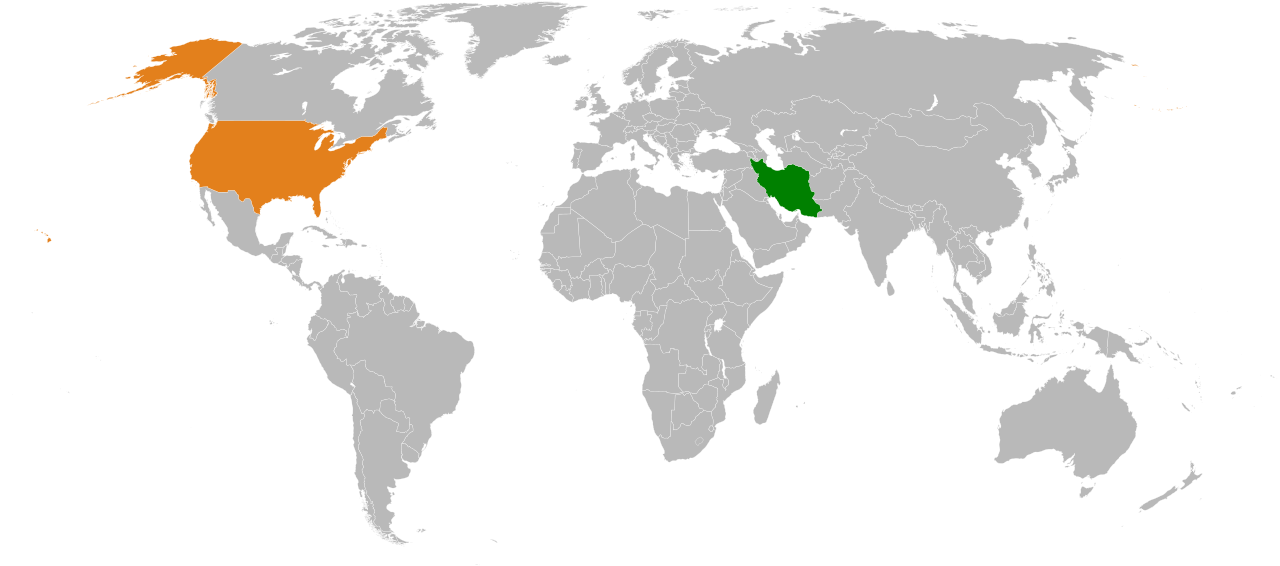
What Happened
On Wednesday, July 22, 2026, US Secretary of State Marco Rubio stated that the United States remains open to negotiations with Iran but issued a stern warning of "consequences" if Tehran continues to violate its commitments. Speaking at the ASEAN Summit in the Philippines, Rubio's remarks followed the 11th consecutive night of US military strikes against Iranian targets across the region. These strikes, reported by Al Jazeera, expanded to Iranian provinces not previously hit, indicating a broadening of the US campaign. Concurrently, President Donald Trump, speaking in the Oval Office on Tuesday, declared the ceasefire "over" and stated the US has "no interest" in talks until Iran is ready to meet "in a meaningful way," despite claiming Iran "desperately wants to meet" to end the conflict because they are "getting decimated."
The escalation occurs past the halfway point of a 60-day negotiating window established by a June 17 memorandum of understanding (MOU) between the US and Iran. This MOU aimed to address Iran's nuclear and missile programs, sanctions, and freedom of navigation through the Strait of Hormuz. However, the agreement has failed to prevent conflict, with Iran reportedly attacking commercial vessels in the strait while US forces continue their retaliatory strikes. President Trump is also expected to attend a dignified transfer on Wednesday for four service members, including two soldiers killed in Iranian missile and drone attacks in Jordan and one in Iraq, underscoring the human cost of the ongoing hostilities.
What the Evidence Establishes
Evidence establishes a clear pattern of escalating military engagement between the United States and Iran, despite an interim diplomatic framework. US forces have conducted 11 consecutive nights of strikes against Iranian military targets, as confirmed by Al Jazeera and CNBC, with US Central Command (CENTCOM) explicitly stating its objective to "continue degrading Iran's ability to threaten commercial shipping in the Strait of Hormuz." Secretary Rubio, on July 22, 2026, directly accused Iran of not honoring the Strait of Hormuz deal, citing Iran's demand for the right to control shipping through the waterway. This claim is corroborated by CNBC, which reported that the June 17 MOU left the future management of the Strait of Hormuz unresolved, leading to differing interpretations: Iran believed it recognized a role for Tehran in managing traffic and potentially charging fees, while the US maintained the strait must remain open without compulsory Iranian restrictions.
Furthermore, the Washington Times reported President Trump's assertion that Iran is "getting decimated" and "desperately wants to meet" to end the conflict, even as he publicly stated the US has "no interest" in talks for now. This indicates a perceived military advantage by the US and a potential Iranian desire to de-escalate, despite their continued actions in the Strait. The return of four US service members, including those killed in Iranian attacks in Jordan and Iraq, provides concrete evidence of direct casualties resulting from the conflict. Rubio's warning that "there will be consequences" for unkept commitments directly links US military actions to Iran's perceived violations, particularly concerning freedom of navigation, which he described as a "fundamental principle" threatening the global economy.
Where the Accounts Conflict
Significant conflicts exist in the public statements regarding the US stance on negotiations and the interpretation of the June 17 memorandum of understanding. Secretary of State Marco Rubio stated on July 22, 2026, that the United States "remains open and willing to engage in positive negotiations and talks so long as the commitments that are made are kept." He questioned whether Iran was negotiating in good faith, saying, "If they're serious, we're serious." In contrast, President Donald Trump, speaking just a day prior on Tuesday, July 21, 2026, declared, "we have no interest in meeting" with Iran until they are ready to meet "in a meaningful way." Both leaders, however, converged on the claim that Iranian officials "want to desperately meet" to end the conflict, despite their differing public postures on US willingness to engage.
A second major conflict arises from the interpretation of the June 17 MOU concerning the Strait of Hormuz. CNBC reported that while the MOU established a 60-day negotiating window, it "left the future management of the Strait of Hormuz unresolved." Iran, according to CNBC, interpreted the text as recognizing a role for Tehran in managing traffic and potentially charging for maritime services. Conversely, the US maintained that the waterway must remain open without compulsory Iranian fees or restrictions, asserting Iran has no legal authority to control shipping. This fundamental disagreement over the terms of the interim agreement has directly contributed to the collapse of the ceasefire and the subsequent escalation of military actions, with Iran and Oman issuing a joint June 23 statement emphasizing the sovereignty and sovereign rights of the two coastal states over the Strait.
Context and Stakes
The Strait of Hormuz is a globally critical chokepoint, through which approximately 20% of the world's energy supply passes daily, as highlighted by Secretary Rubio. Iran's asserted right to control shipping and potentially impose tolls or restrictions on this international waterway directly challenges the "fundamental principle of freedom of navigation" that has underpinned 150 years of international trade and commerce. Rubio warned that allowing such a precedent would threaten the global economy and could repeat itself in other parts of the world, making a veiled reference to China's claims in the South China Sea. The 2016 Permanent Court of Arbitration ruling, which found China's "nine-dash line" claims to have no basis under international law, provides a relevant historical context for disputes over international waterways.
The current escalation, marked by 11 consecutive nights of US strikes and Iranian attacks on commercial vessels, signifies the collapse of a fragile 60-day ceasefire established by the June 17 MOU. This breakdown risks a broader regional conflict, with direct casualties already reported among US service members in Jordan and Iraq. The stakes extend beyond energy supply to the stability of international maritime law and the potential for regional powers to unilaterally assert control over vital global trade routes. The conflicting signals from President Trump and Secretary Rubio regarding the US willingness to negotiate further complicate the diplomatic landscape, creating uncertainty about the path forward and increasing the risk of miscalculation in an already volatile region.
What to Watch Next
Observers should closely monitor the immediate military actions and diplomatic signals from both Washington and Tehran. Specifically, whether US forces continue their nightly strikes against Iranian targets beyond the current 11-day streak will indicate the sustained US commitment to degrading Iran's capabilities in the Strait of Hormuz. Any shift in the intensity or geographic scope of these strikes, particularly if they target more sensitive Iranian infrastructure, would signal a significant escalation. Conversely, a pause in US operations could suggest a renewed, albeit quiet, diplomatic overture or a strategic reassessment.
On the Iranian side, watch for any direct retaliation against US military assets or personnel, which would mark a dangerous escalation beyond attacks on commercial shipping. The formal expiration of the 60-day negotiating window from the June 17 MOU, which is approaching, will be a critical juncture. If no new agreement or extension is announced, it will solidify the failure of the interim deal and likely lead to increased tensions. Furthermore, any concrete actions by Iran to enforce tolls or restrictions on shipping in the Strait of Hormuz, beyond verbal demands, would directly challenge international law and almost certainly provoke a robust international response, potentially involving naval escorts or further military intervention to ensure freedom of navigation.
Bottom Line
The US and Iran are currently engaged in a rapidly escalating military confrontation, with diplomatic efforts having largely collapsed despite an interim agreement. US Secretary of State Marco Rubio has publicly warned Iran of "consequences" for its actions in the Strait of Hormuz, while US forces have conducted 11 consecutive nights of strikes against Iranian military targets. This military pressure is intended to counter Iran's perceived attempts to control the vital Strait of Hormuz, a move the US asserts has no legal basis and threatens global trade. President Donald Trump has declared the ceasefire over, even as he claims Iran is desperate for talks, creating a mixed message regarding US diplomatic readiness.
The core dispute centers on the interpretation of the June 17 MOU, which failed to resolve the future management of the Strait of Hormuz, leading to conflicting claims of sovereignty and international navigation rights. The human cost of this conflict is evident with the recent deaths of US service members in Iranian attacks. Without a clear path to de-escalation or a renewed, unambiguous diplomatic framework, the region faces continued volatility. The immediate future will likely see sustained US military pressure and potential further Iranian actions in the Strait, maintaining a high risk of broader conflict and significant disruption to global energy markets.
DECLASSIFIED SOURCE: Operative Telegram Feed (via Real-time Signal Upgrade)
Separate what looks backed, what is changing, and what still needs proof.
US Secretary of State Rubio warns Iran of 'consequences' for Strait of Hormuz violations as US forces conduct 11th night of strikes, despite a collapsed 60-day deal.
No comments yet. Start the conversation.