What Happened
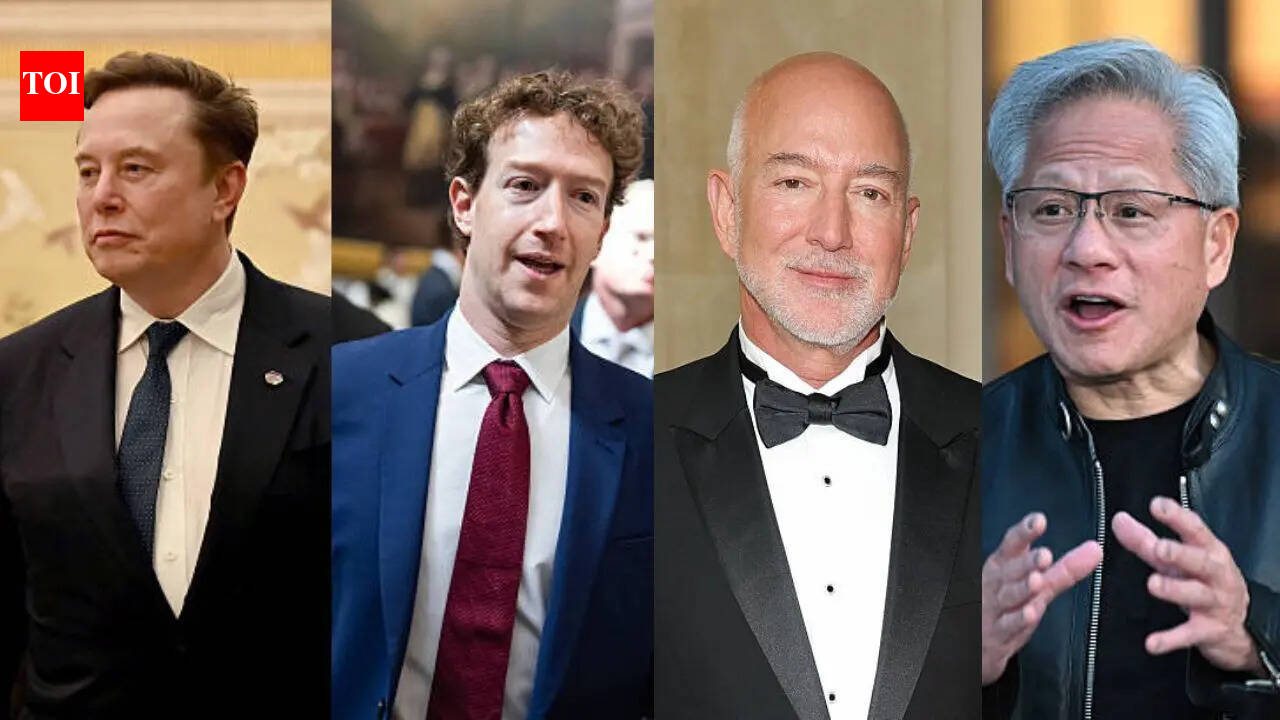
Nvidia CEO Jensen Huang has established himself as President Donald Trump’s primary partner on artificial intelligence (AI) safety, a dynamic publicly showcased last week at the All-In Summit in Los Angeles. During the event, Huang placed an incoming phone call from President Trump on speakerphone for attendees. In this exchange, President Trump reiterated his public stance that concerns over AI infrastructure constitute a “hoax,” asserting that machines are not on the verge of global takeover. Huang publicly agreed with this assessment and later reaffirmed his position. This alignment contrasts sharply with other prominent tech leaders, including Meta CEO Mark Zuckerberg and Amazon founder Jeff Bezos, who have also reportedly sought closer ties with the Trump administration but have not achieved Huang's level of influence. Huang is now slated to attend President Trump’s upcoming state dinner honoring Chinese President Xi Jinping next week, underscoring his significant access within the West Wing.
Huang's influence extends beyond public appearances. He has attended private dinners at Trump’s Mar-a-Lago estate in Florida and has concluded formal keynote presentations by echoing the administration's slogan, “making America great again.” Since the start of Trump’s second term, the two have made at least six joint public appearances, including official visits to the United Kingdom and Saudi Arabia. Notably, Huang joined President Trump aboard Air Force One for a diplomatic trip to China in May 2026, boarding during a refueling stop in Anchorage, Alaska, en route to the Trump-Xi Summit in Beijing, after initial reports suggested he was not on the original delegation list.
What the Evidence Establishes
The evidence establishes Jensen Huang's unique and direct access to President Trump on AI policy, largely stemming from Nvidia's market dominance. Nvidia produces the graphics processing units (GPUs) essential for training and running AI models developed by major labs like OpenAI and Anthropic. The company's revenue surged to $215 billion in the latest fiscal year, a significant increase from $17 billion in 2021, solidifying its position as the world's most valuable chipmaker. This market leadership has directly translated into political leverage, with Samuel Hammond, director of AI policy at the Foundation for American Innovation, noting that “Trump just likes winners, and Jensen’s very good at speaking his language.”
Huang consistently advocates for accelerating American AI development, a position that directly counters demands from some of Nvidia’s largest commercial clients, including Anthropic and OpenAI, who are pressing lawmakers for mandatory guardrails. For instance, Anthropic CEO Dario Amodei, supported by OpenAI CEO Sam Altman, SpaceX CEO Elon Musk, and Google DeepMind Chair Demis Hassabis, recently urged a slowdown in AI model improvement and called for
Where the Accounts Conflict
A primary conflict exists between Jensen Huang's and President Trump's stance on AI safety and the positions of other prominent AI developers and policy advocates. While Huang and Trump dismiss
Context and Stakes
The close alignment between Jensen Huang and President Trump carries significant implications for the future of AI regulation, U.S. technological competitiveness, and U.S.-China relations. Nvidia's near-monopoly on high-end AI chips means its CEO's policy preferences hold substantial weight. If the U.S. adopts a less restrictive regulatory framework, as advocated by Huang and Trump, it could accelerate domestic AI innovation but potentially exacerbate concerns raised by other industry leaders and researchers regarding safety and ethical deployment. Conversely, a lack of stringent federal guardrails could lead to a fragmented regulatory landscape, with states or international bodies attempting to fill the void.
The geopolitical stakes are particularly high, especially concerning U.S.-China tech competition. Nvidia's previous efforts to sell its H200 AI chips to restricted countries, including China, drew criticism from U.S. lawmakers like Senators Elizabeth Warren and Josh Hawley, who cited national security concerns. Despite this, the Trump administration granted Nvidia permission to ship H200 chips to Chinese customers with a 25% fee, a decision that faced bipartisan pushback. Huang argued that banning exports would spur China to develop its own advanced AI chips, undermining American interests. The upcoming state dinner with President Xi Jinping, where Huang will be present, highlights the ongoing tension between economic interests, national security, and global technological leadership.
What to Watch Next
Observers should closely monitor the upcoming state dinner for Chinese President Xi Jinping next week, where Jensen Huang is confirmed to be in attendance. His visibility and any public statements made by President Trump regarding AI or U.S.-China tech relations during or around the event will be critical indicators of future policy direction. The White House is also planning a meeting with major AI executives to coincide with the state dinner, which OpenAI CEO Sam Altman is expected to attend. The interactions and any joint announcements from this gathering could signal shifts in the administration's approach to AI governance and international tech collaboration.
Further, attention will remain on the ongoing debate within Congress regarding AI regulation. Despite the administration's current stance, pressure from lawmakers and other tech leaders for mandatory guardrails continues. Any legislative proposals or committee hearings in the coming weeks or months will reveal the extent of the divide and potential for compromise. The actions of Nvidia's largest commercial clients, such as OpenAI and Anthropic, in their continued advocacy for regulation, will also be important to watch, as their public pressure campaigns could influence public opinion and legislative momentum. Finally, any new disclosures of AI model incidents or security breaches could intensify calls for immediate regulatory action, potentially challenging the current administration's position.
Bottom Line
Jensen Huang, CEO of Nvidia, has solidified his position as President Donald Trump's preferred advisor on artificial intelligence, leveraging Nvidia's market dominance to influence policy. This alliance champions accelerated American AI development and industry-led safety solutions, directly opposing calls from other major AI labs like OpenAI and Anthropic for stringent government regulation. The administration's decision to permit Nvidia's H200 chip sales to China, despite bipartisan concerns, underscores the complex interplay between economic interests, national security, and technological leadership. Huang's prominent role in upcoming diplomatic events, including the state dinner for President Xi Jinping, signals a continued emphasis on a less restrictive regulatory environment for AI under the current administration, prioritizing innovation and market growth over preemptive legislative guardrails. This trajectory sets the stage for ongoing friction within the tech industry and among policymakers regarding the optimal path for AI governance.
DECLASSIFIED SOURCE: Operative Telegram Feed (via Real-time Signal Upgrade)
Separate what looks backed, what is changing, and what still needs proof.
Nvidia CEO Jensen Huang has emerged as President Trump's primary AI policy advisor, publicly aligning against mandatory guardrails, contrasting with other tech leaders.
This is worth tracking. The next update should tell us whether nvidia ceo jensen huang has emerged as president trump's primary ai policy advisor, publicly aligning again... is real or just noise.
Huang putting Trump on speakerphone at All-In wasn't transparency — it was a flex. The guy selling the shovels shouldn't be the one writing the mining regulations.