What Happened
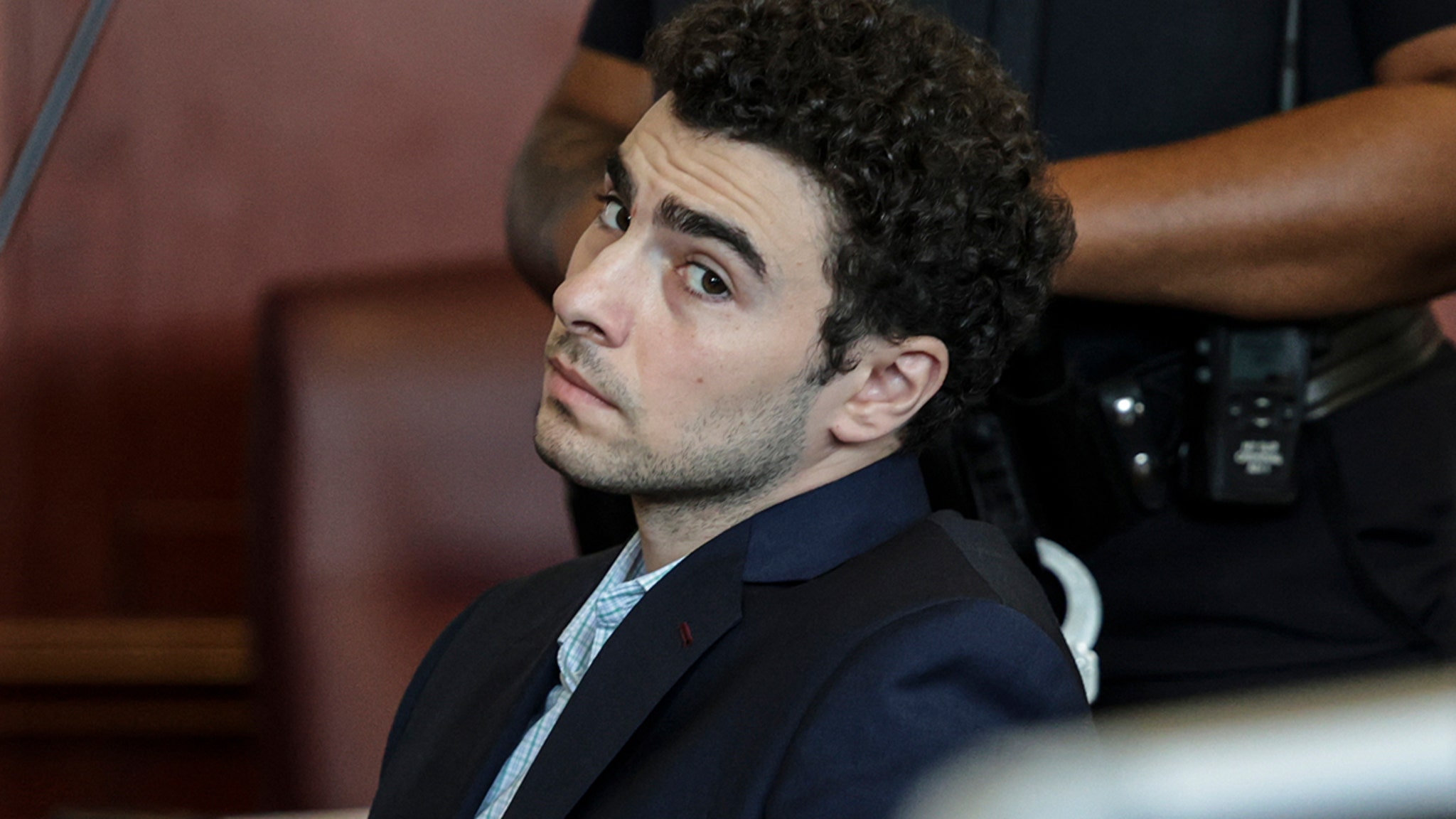
On Friday, August 14, 2026, Luigi Mangione, 28, pleaded guilty in Manhattan federal court to two charges of interstate stalking resulting in the death of UnitedHealthcare CEO Brian Thompson. During the hearing before Judge Margaret Garnett, Mangione confessed, stating, "After years of enduring pain from a broken back, I shot Mr. Thompson, and he died. I knew what I was doing was illegal." He detailed how he tracked Thompson to a UnitedHealthCare conference on December 4, 2024, in New York City, posing as an investor to obtain information about attendees. Mangione admitted to using a 3-D printed gun equipped with a silencer for the shooting. Thompson, 50, was fatally shot on a midtown Manhattan street outside the Hilton Hotel. Five days later, Mangione was apprehended in Altoona, Pennsylvania, after being recognized from a surveillance photo. His lawyer, Karen Friedman Agnifilo, immediately filed a motion in New York state court seeking to dismiss state murder and firearms charges based on double jeopardy.
What the Evidence Establishes
The federal plea establishes Mangione's direct culpability in the death of Brian Thompson. Mangione's own statements in court confirm his intent and actions, including tracking Thompson, using a 3-D printed weapon, and firing the fatal shots. He explicitly stated, "My travel to New York and email to United Healthcare was with the intent to shoot Brian Thompson." The charges he pleaded guilty to are interstate stalking resulting in death and stalking through the use of interstate facilities resulting in death. Federal sentencing guidelines suggest a range of 24 to 30 years in prison, with Judge Garnett noting Mangione would serve at least 85 percent of any sentence. The victim's family, present in court, expressed satisfaction that Mangione has been held accountable for "this heinous act." The plea was not part of a deal with prosecutors, meaning Mangione is "throwing himself at the mercy of the judge," according to TMZ. This move allows his defense to present mitigating factors, such as his severe pain and struggles with the healthcare system, during sentencing.
Where the Accounts Conflict
The primary conflict centers on the legal implications of Mangione's federal guilty plea for his pending New York state murder trial. Mangione's defense team, led by Karen Friedman Agnifilo, argues that prosecuting him in state court for the same killing would constitute double jeopardy, a protection under New York law against being tried twice for offenses based on the same criminal act. Friedman Agnifilo stated, "Despite this being a single isolated event, Mr. Mangione has been unfairly treated since the outset in every way." Conversely, the Manhattan District Attorney's Office, under Alvin Bragg, has publicly committed to continuing its prosecution. A spokeswoman for the D.A.'s office stated, "Since December 2024, the Manhattan D.A.'s Office has been tirelessly preparing to pursue a trial conviction... We are prepared to litigate the defense motions." This indicates a direct legal challenge to the double jeopardy claim, suggesting the state believes its charges are distinct or not fully covered by the federal plea. The federal judge, Margaret Garnett, acknowledged the sentencing guidelines but retains significant discretion, which could influence future legal arguments.
Context and Stakes
This case carries significant implications beyond the immediate legal proceedings. Mangione's stated motivation—"years of enduring severe pain from a broken back, navigating the obstacles of the health insurance system and witnessing similar experiences of countless others"—highlights a broader societal frustration with healthcare access and corporate practices. His lawyer, Karen Friedman Agnifilo, intends to argue that Mangione was "so overwrought with pain and anger he was not fully in his right mind" at the time of the shooting, potentially pursuing an extreme emotional disturbance defense in state court if the double jeopardy motion fails. The victim, Brian Thompson, was the CEO of UnitedHealthcare, the largest health insurer in the United States, making this a high-profile case that draws attention to the intersection of individual grievances and corporate power. The outcome of the double jeopardy challenge could set a precedent for how federal and state jurisdictions handle overlapping criminal acts, particularly in cases with strong public interest and complex motivations. The family's desire for sentencing to "reflect the severity of this crime" underscores the emotional stakes involved.
What to Watch Next
The immediate focus will be on the New York state court's decision regarding the double jeopardy motion filed by Mangione's lawyers. This ruling will determine whether the state murder trial, currently scheduled to begin on September 8, can proceed. If the state court dismisses the charges, the federal sentencing on December 18 will be the sole remaining legal proceeding for the killing. If the state court rejects the double jeopardy argument, Mangione would face two separate trials or sentencing phases for the same act, albeit under different legal frameworks. The federal sentencing hearing itself will be critical, as Judge Margaret Garnett has considerable discretion within the 24-to-30-year guideline range, and the defense will present evidence of Mangione's mental state. Manhattan U.S. Attorney Jamie McDonald has indicated he will seek a life sentence, contrasting with the guidelines. The Manhattan D.A.'s office has affirmed its commitment to pursuing justice, suggesting a vigorous fight against the defense's motions. The legal maneuvering between federal and state jurisdictions will be closely observed.
Bottom Line
Luigi Mangione's guilty plea in federal court for stalking resulting in the death of UnitedHealthcare CEO Brian Thompson, coupled with his confession, marks a significant development in the high-profile case. This plea, however, immediately triggers a complex legal challenge regarding double jeopardy, potentially halting his scheduled New York state murder trial. While federal sentencing is set for December 18, where Mangione faces a possible life sentence, the state's ability to prosecute him further remains contested. The defense aims to leverage Mangione's stated motivations concerning the healthcare system to mitigate his sentence, while the victim's family and the Manhattan D.A.'s office seek maximum accountability. The legal system's navigation of these overlapping jurisdictions and the defense's unique arguments will define the case's resolution.
DECLASSIFIED SOURCE: TMZ (via Real-time Signal Upgrade)
it's too convenient that he admits to the shooting right before the state murder trial starts. why wait until after the federal stalking plea to finally mention the broken back as his motive? was the timing of his con...
The confession regarding the broken back makes this feel less like a random act and more about the systemic failure of how insurance companies manage long-term disability claims. If this case triggers more scrutiny on...
...
...