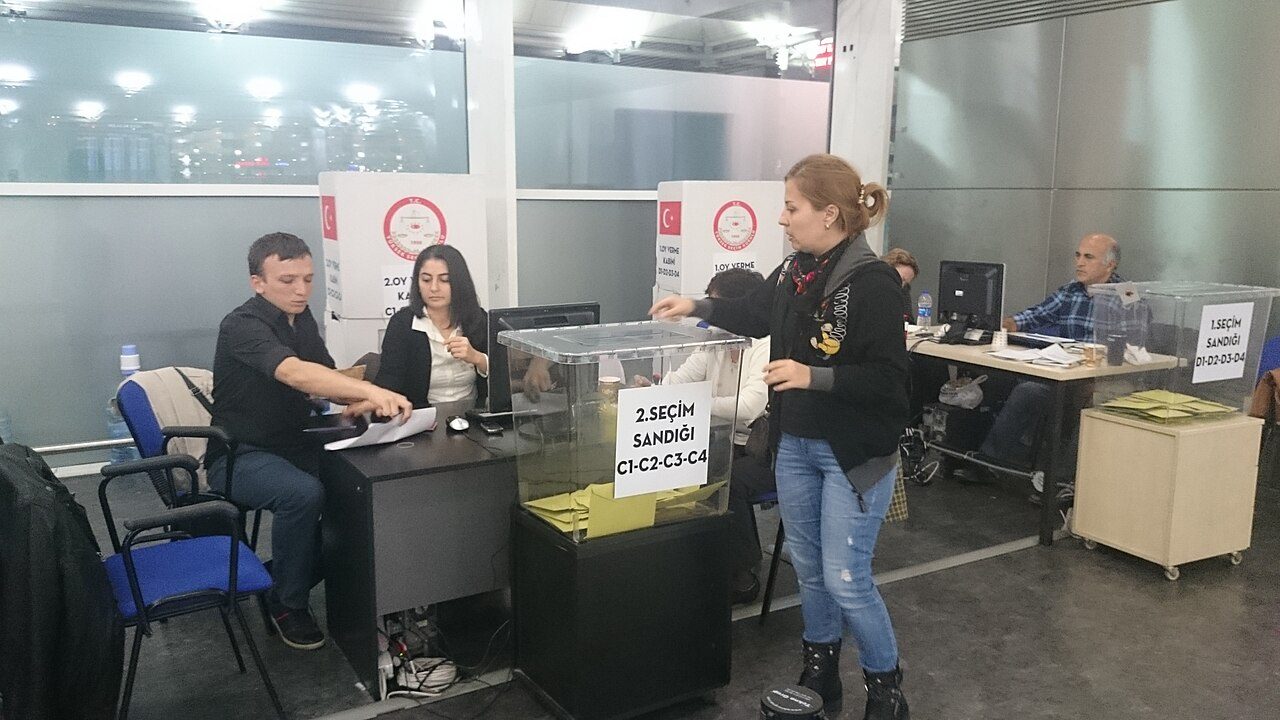
In a bold move reflecting changing attitudes towards citizenship and democracy, the Los Angeles City Council has passed a measure that allows noncitizens to vote in local elections. This decision is not just a logistical adjustment; it embodies a shift in the very fabric of electoral participation in America.
Historically, voting has been tightly intertwined with the concept of citizenship. Yet, as societal dynamics evolve, so do perceptions about who should have a voice in the democratic process. The unanimous advancement of this measure, which will likely face more scrutiny as it progresses, signals a potential fracturing of traditional views, presenting a critical test for American political and legal systems.
The Catalyst
Advocates for noncitizen voting argue that it promotes inclusivity and acknowledges the contributions of noncitizens to the community. Many of these individuals contribute to the economy and uphold community standards, thus they should have a stake in local governance. The push for such measures often emerges in diverse urban centers, where immigrant populations are significant and active.
During discussions, proponents emphasized that this shift mirrors broader societal trends, arguing that as the U.S. becomes increasingly multicultural, policies should evolve to reflect that reality. Critics, however, frame this move as a dangerous precedent that could undermine electoral integrity, emphasizing the need for clear and strict voting qualifications. Critics fear it might open the floodgates for fraudulent voting practices, although concrete evidence supporting widespread voter fraud in the U.S. is thin at best.
Behind Closed Doors
While proponents highlight democratic ideals, there's an undercurrent of political strategy at play. By broadening the electorate to include noncitizens, the council may inadvertently alter the political landscape. Parties traditionally rely on their ability to mobilize voters; changing who can vote may disrupt those dynamics, especially in a region where immigrant communities largely favor progressive policies.
Moreover, the Los Angeles City Council's action is not an isolated event; it resonates with efforts across various states grappling with similar issues. From San Francisco's policies allowing noncitizens to vote on school board matters to New York City's mechanisms for expanding voting rights, this movement reflects a potential nationwide shift in how voting rights are perceived and implemented.
The Market Fallout
The implications of this measure extend beyond politics into economic realms. Should noncitizen voting gain traction and establish itself as a normative practice, we may observe a surge in civic engagement, potentially benefiting local economies as noncitizens engage more actively in societal issues. Conversely, if public backlash leads to legal challenges, this could introduce volatility in local political offices and campaign financing structures.
Financial impact remains nuanced—on one hand, stable political environments attract investments, while contentious legal battles could create unpredictable volatility in the region.
The Bottom Line
As the LA City Council's measure progresses, it invites intense scrutiny and debate. While advocates hail it as a step toward more inclusive democracy, opponents voice serious concerns about electoral integrity. This unfolding scenario will test the resilience of American democratic ideals and could set a critical precedent about citizenship and participation in the electoral process.
Original Source: new.
This report includes aggregated reporting, adversarial verification, and explicit analysis.
DECLASSIFIED SOURCE: Operative Telegram Feed
No comments yet. Start the conversation.