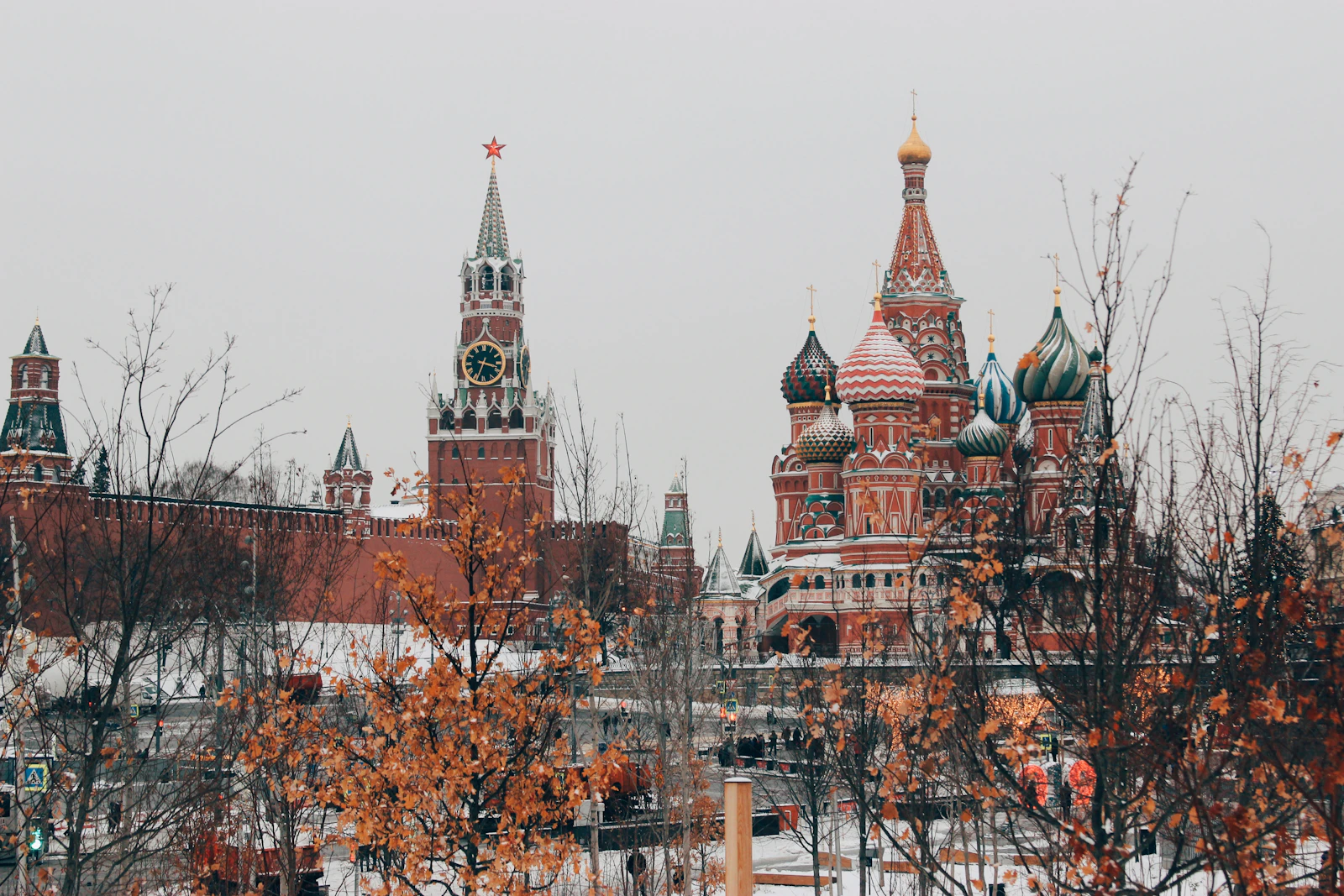
Dmitry Medvedev, a prominent figure in Russian politics, has raised alarm bells regarding the stability of any potential peace agreements between the United States and Iran, characterizing optimism about diplomatic negotiations as 'rash'.
Dmitry Medvedev, known for his controversial and often hardline stances, has recently voiced serious reservations about a peace deal between Washington and Tehran. These remarks coincide with increased military provocations in the Middle East, particularly involving Israel against Iranian interests. Medvedev's statements echo a long-standing skepticism regarding America's foreign policy approach in the region, particularly under the Trump administration's aggressive military posture against Iran.
Medvedev's concerns emerge against a backdrop of a precariously evolving geopolitical landscape. Just days after the signing of a significant Memorandum of Understanding (MoU) between Iran and the US, he warned that this agreement could easily collapse under the weight of new confrontations, especially in light of ongoing hostilities between Israel and Iran. As tensions continue to rise, he emphasized that such agreements are vulnerable to being 'derailed by new provocations.'
Furthermore, Medvedev pointedly criticized Israeli Prime Minister Benjamin Netanyahu's government, suggesting that it thrives on conflict. This perspective is particularly striking, as it reflects a deepening discord in Russian-Israeli relations that has matured over the years, most notably during the Syrian civil war, when both nations found themselves in opposition to each other's strategic goals.
The Kremlin's critique of Israel highlights a shift in dynamics, especially as Moscow has sought to reinforce its ties with Iran amid geopolitical shifts following the onset of the Ukraine war. This partnership, while robust in rhetoric, has not always translated into unequivocal military support for Tehran, particularly during heightened conflicts involving US and Israeli forces.
Medvedev's comments not only serve to illustrate the Kremlin's stance but also position Russia as a critical player in the broader Middle Eastern diplomatic arena. As ties with Tehran solidify, Russia finds itself navigating a delicate dance of maintaining influence without provoking direct confrontation with Western powers.
The Historical Context of Russian-Iranian Relations
Historically, Russia's relationship with Iran has been complex and often fraught with mutual suspicion, but recent developments have seen both nations aligning their interests. Under international sanctions and facing international isolation, Iran has turned increasingly towards Russia for economic and military cooperation, especially as tensions with the US and its allies have escalated.
During the Syrian civil war, Russia's military involvement not only aimed to bolster the Assad regime but also accommodated Iran's regional aspirations. However, Moscow has had to tread cautiously, particularly in response to Israeli air operations that have targeted Iranian positions in Syria. Past incidents, such as the downing of a Russian reconnaissance aircraft during an Israeli airstrike, underscore the perilous balancing act that Moscow must perform as it manages its relationships in this highly volatile region.
The Diplomatic Minefield Ahead
Medvedev’s assertion that Israeli provocations could hinder peace reflects a broader truth about the region: diplomatic agreements are often overshadowed by military realities. The risk of further escalation, whether through military strikes or hostile rhetoric, remains a significant barrier to achieving any lasting stability.
As the dynamics change and new conflict zones emerge, such as the recent clashes between Hezbollah and Israeli forces, the likelihood of diplomatic resolutions appears increasingly remote. Russia's role may evolve into that of an intermediary at best, while at worst, it could further entrench divisions if allied more closely with Iranian agendas.
Implications for Global Markets
The uncertainty surrounding US-Iran relations and the volatile position of Israel will likely lead to heightened volatility in global markets, particularly in energy sectors that are sensitive to Middle Eastern tensions. Investors should prepare for fluctuations as geopolitical developments in this region have a direct impact on oil prices and overall market stability.
The Bottom Line
As geopolitical tensions continue to simmer, the Kremlin's statements illustrate a deep-rooted skepticism about US diplomatic efforts. The potential for new provocations remains a significant barrier to any lasting agreement, impacting not only regional stability but also global markets related to oil and finance.
Original Source: ZeroHedge News.
This report includes aggregated reporting, adversarial verification, and explicit analysis.
DECLASSIFIED SOURCE: Zero Hedge
No comments yet. Start the conversation.