What Happened
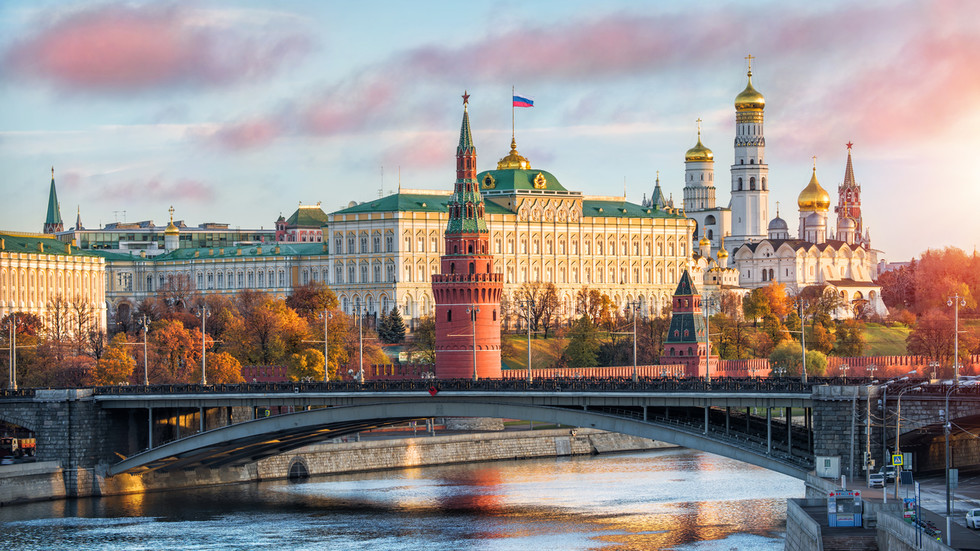
On Saturday, September 5, 2026, U.S. envoys Steve Witkoff and Jared Kushner, dispatched by President Donald Trump, met with Russian President Vladimir Putin at the Senate Palace of the Kremlin in Moscow. The closed-door discussions lasted for more than three hours. Russian foreign policy adviser Yuri Ushakov characterized the meeting as "constructive, frank and useful," though no specific breakthroughs were announced immediately following the talks. A White House official indicated that "substantive plans for next steps" were discussed, with announcements anticipated in the coming weeks. The following day, Sunday, September 6, 2026, Witkoff and Kushner arrived in Kyiv, Ukraine, for scheduled talks with Ukrainian President Volodymyr Zelenskyy. Zelenskyy confirmed he had met with his negotiating team prior to the Americans' arrival, stating, "Ukraine has always been and will remain constructive" and that "Our proposals are ready." This diplomatic push by the Trump administration aims to restart peace negotiations that have lost momentum, particularly as U.S. attention shifted towards the war with Iran over the preceding six months.
President Trump publicly stated on Friday, September 4, 2026, that he had sent Witkoff and Kushner, his son-in-law and adviser, to assess the potential for a peace agreement. He told reporters, "We have an idea for peace. I sent Steve Witkoff and Jared Kushner, two great negotiators... and we sent them over to see whether or not we can get something done." Despite the ongoing diplomatic efforts, both Russia and Ukraine reported drone and missile attacks overnight into Sunday, September 6, 2026, indicating that a full cessation of hostilities had not been achieved, even with an agreed pause in capital-to-capital strikes during the negotiations.
What the Evidence Establishes
The evidence establishes that Steve Witkoff and Jared Kushner, acting as envoys for U.S. President Donald Trump, conducted high-level meetings with both Russian President Vladimir Putin and Ukrainian President Volodymyr Zelenskyy on September 5 and 6, 2026, respectively. These meetings were explicitly aimed at exploring avenues for a peace settlement in the ongoing conflict between Russia and Ukraine. The Moscow meeting with Putin, held at the Kremlin's Senate Palace, lasted over three hours, with Russian official Yuri Ushakov describing it as "constructive, frank and useful." However, no immediate breakthroughs were publicly declared, with a White House official noting that "substantive plans for next steps" would be announced later.
In Kyiv, President Zelenskyy confirmed his readiness for discussions, emphasizing Ukraine's constructive stance and preparedness with "proposals." The diplomatic initiative follows a period where U.S. focus had reportedly shifted to the war with Iran, leading to a loss of momentum in Ukraine peace efforts. Crucially, despite the diplomatic engagement and an agreement for a temporary pause, drone and missile attacks were reported by both sides overnight into Sunday, September 6, 2026, indicating that the conflict's military dimension continued even as high-level talks were underway. Significant differences, particularly over territorial control in eastern Donetsk and Luhansk regions, remain a core obstacle, with Kyiv having previously rejected Russian demands for withdrawal.
Where the Accounts Conflict
While the core facts of the meetings—who met whom, where, and when—are consistently reported across the sources, there are subtle differences in framing and emphasis, particularly regarding the immediate atmosphere and potential for success. The "Operative Telegram Feed" presents a highly optimistic and emotionally charged narrative, stating that Witkoff and Kushner "just ARRIVED in Ukraine to bring an end to the war" and are "working HARD." It also includes a plea to "PRAY FOR PEACE AT ALL COSTS 🙏🏻," suggesting a strong narrative push for an immediate resolution and an "atmosphere of trust" as implied by the Kremlin's perspective in the headline. This contrasts with the more measured reporting from Fox News and The Hill.
Fox News, while acknowledging the U.S. "push for peace," reports that the Moscow talks "ended without any announced breakthroughs." It quotes Yuri Ushakov describing the meeting as "constructive, frank and useful," which is positive but less definitive than the Telegram's implied certainty of an imminent end to the war. The Hill similarly reports Ushakov's comments that talks were "highly useful" but focuses on the attempt to "restart stalled peace negotiations." The Telegram feed's assertion of a "multi-day pause in the fighting between Kyiv and Moscow" is also partially contradicted by Fox News, which states, "Both sides reported strikes overnight into Sunday despite agreeing to pause attacks on each other's capitals during the negotiations." This indicates a gap between the desired or reported pause and the actual cessation of hostilities.
Context and Stakes
The current diplomatic push by U.S. envoys Steve Witkoff and Jared Kushner occurs against a backdrop of a protracted conflict in Ukraine, which began with Russia's full-scale invasion in February 2022. Previous efforts to reach a settlement had reportedly lost momentum over the past six months, largely due to a shift in U.S. attention towards a separate conflict with Iran. This re-engagement signals a renewed focus from the Trump administration on the Russia-Ukraine war, potentially aiming to secure a diplomatic achievement ahead of future political considerations.
The stakes are substantial. Significant differences persist between Moscow and Kyiv, most notably concerning territorial control. Ukraine has consistently rejected Russia’s demands for withdrawal from portions of the eastern Donetsk and Luhansk regions that remain under Ukrainian control. Any peace agreement would need to navigate these deeply entrenched positions. The continuation of drone and missile attacks, even during a period of high-level negotiations and an agreed pause in capital strikes, underscores the fragility of any potential ceasefire and the deep mistrust between the belligerents. The success or failure of these talks could significantly impact regional stability, international alliances, and the geopolitical standing of the involved nations, particularly the United States under President Trump's leadership.
What to Watch Next
Observers should monitor for specific announcements from the White House regarding the "substantive plans for next steps" that were discussed during the Moscow meeting. The nature and timing of these announcements will indicate the immediate trajectory of the diplomatic initiative. A key indicator will be whether these steps involve further high-level meetings, the establishment of a formal negotiation framework, or the presentation of a concrete peace proposal. The continued reporting of military activity, particularly drone and missile strikes targeting capitals, will also be critical to assess the effectiveness of any agreed-upon pauses in fighting.
Furthermore, attention should be paid to the public statements from both Russian and Ukrainian officials following the Kyiv talks. Any shifts in their stated positions on core issues, such as territorial integrity or security guarantees, would signal potential movement towards a resolution. The involvement of President Trump's personal envoys suggests a direct, high-stakes approach, and the administration's subsequent actions will reveal the depth of its commitment to this particular diplomatic track. The broader geopolitical context, including developments in the U.S. relationship with Iran, could also influence the resources and political capital dedicated to the Ukraine peace process.
Bottom Line
U.S. envoys Steve Witkoff and Jared Kushner engaged in direct, high-level diplomatic discussions with Russian President Vladimir Putin and Ukrainian President Volodymyr Zelenskyy on September 5 and 6, 2026, respectively, with the explicit goal of advancing peace in Ukraine. While the Moscow talks were described as "constructive" by Russian officials, no immediate breakthroughs were announced, and a White House official indicated that "substantive plans for next steps" would be revealed in the coming weeks. Ukrainian President Zelenskyy affirmed Kyiv's constructive stance and preparedness for discussions.
The diplomatic efforts are complicated by persistent military activity, including reported drone and missile strikes despite an agreed pause, and fundamental disagreements over territorial control, particularly in eastern Donetsk and Luhansk. This initiative represents a renewed U.S. focus on the Ukraine conflict after a period of attention diverted to the war with Iran. The immediate future will likely involve procedural announcements and continued monitoring of both diplomatic progress and on-the-ground military developments, with the core territorial disputes remaining a significant hurdle to any lasting peace agreement.
DECLASSIFIED SOURCE: RT - News (via Real-time Signal Upgrade)
Read this twice. u.s. envoys steve witkoff and jared kushner met russian president putin in moscow, then ukrainian president... — that's the bit to remember.
Notice the timing on this? u.s. envoys steve witkoff and jared kushner met russian president putin in moscow, then ukrainian president... — that doesn't land in a vacuum.