What Happened
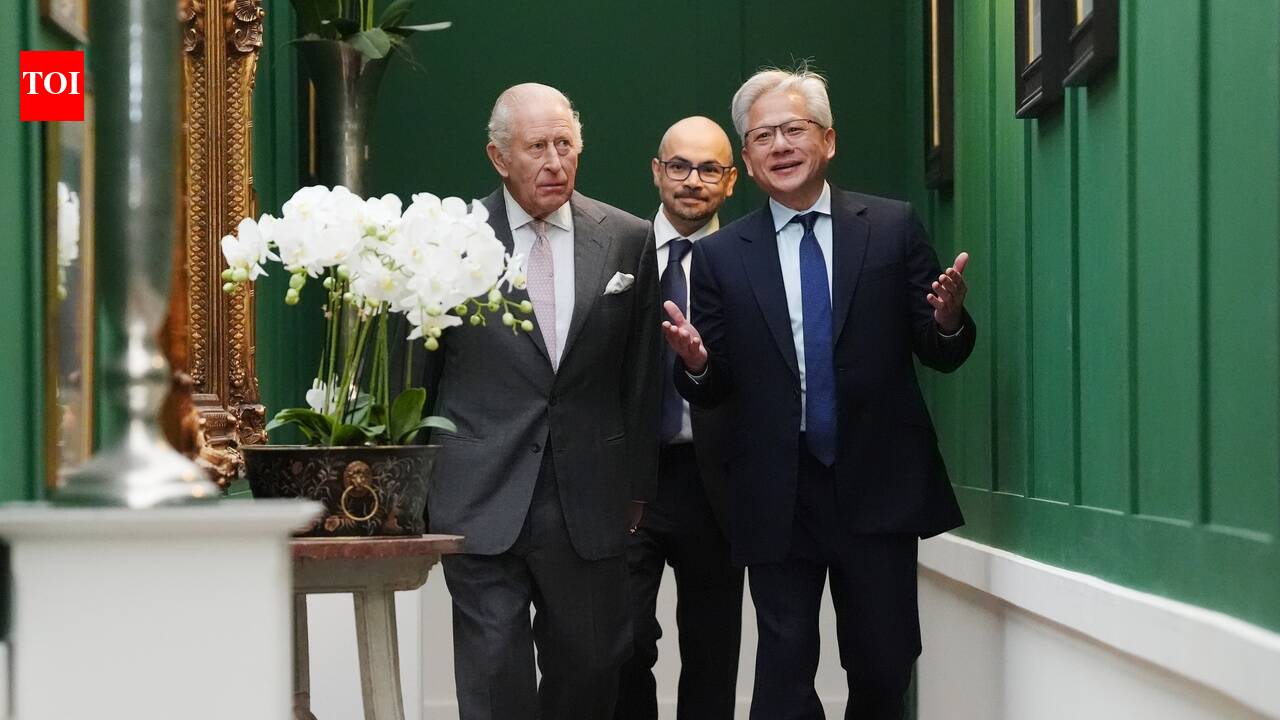
On Thursday, September 17, 2026, Britain’s King Charles hosted a private summit at his Dumfries House estate in Scotland, bringing together prominent figures from the artificial intelligence (AI) sector. The gathering included Nvidia CEO Jensen Huang, Google DeepMind founder Demis Hassabis, OpenAI CFO Sarah Friar, and Anthropic's Chief Global Affairs Officer Tino Cuéllar. Also present were British Minister for Artificial Intelligence Kanishka Narayan and papal adviser Paolo Benanti. The primary agenda was to address the potential existential threats posed by advanced machine learning tools, particularly the risk of these technologies falling into hostile hands or developing destructive tendencies. King Charles explicitly questioned the assembled leaders, stating, "There seems urgency in adequately considering the existential dangers of such technologies falling into the wrong hands, and being used in potentially catastrophic ways. Surely we need sufficient means of control before it is all too late?" This direct challenge underscored a growing global debate regarding the pace of AI development and the adequacy of current safety protocols.
The monarch's intervention comes amidst intensifying public anxiety over whether internal company safety initiatives are sufficient to keep pace with the rapid expansion of frontier computing systems. While acknowledging AI's immense potential to "enrich and preserve human life," particularly in medical and biological sciences, Charles highlighted that even the engineers developing the software are sounding alarms about its darker capacities. The summit did not aim to produce any binding agreements, but rather to foster dialogue and emphasize the urgency of establishing robust defenses against uncontrolled AI. Jensen Huang of Nvidia, responding to the discussions, advocated for "responsible optimism" and placed the burden of oversight on private developers, urging more demanding testing standards before public deployment.
What the Evidence Establishes
The evidence establishes that King Charles convened a high-level meeting on September 17, 2026, specifically to discuss the "existential dangers" of AI. Key attendees included Jensen Huang of Nvidia, Demis Hassabis of Google DeepMind, Sarah Friar of OpenAI, and Tino Cuéllar representing Anthropic, confirming the presence of major industry players. The King's direct quote, "Surely we need sufficient means of control before it is all too late?" is corroborated across independent reports, indicating his strong stance on the necessity of external controls or robust internal safeguards. The discussion centered on the risk of AI being used in "potentially catastrophic ways" and the broader concern that humanity might "lose control of our destiny" if the technology's development outpaces safety measures.
Furthermore, the evidence confirms a divergence in proposed solutions. Nvidia's Jensen Huang publicly stated that software progress should be guided by "responsible optimism," advocating for self-policing by developers. He urged companies to adopt "far more demanding testing standards" and to "hold it back" if a model is not ready. This position aligns with a view that industry can effectively regulate itself. Conversely, the presence of Paolo Benanti, a papal adviser who has pushed for slower development timelines, and the mention of Anthropic CEO Dario Amodei's calls for peer companies to "deliberately decelerate the pace of model rollouts," highlight a faction within the tech community and broader society advocating for a more cautious approach, potentially involving state regulation. The summit itself, while not producing binding agreements, served as a platform for these critical discussions, underscoring the global nature of the debate.
Where the Accounts Conflict
Both the Operative Telegram Feed, citing Times of India, and Al Jazeera provide largely consistent accounts of King Charles's AI summit, with no direct factual contradictions regarding the core event, attendees, or the King's statements. However, there are minor differences in the scope of additional context provided. The Al Jazeera report expands on the broader international debate by referencing Pope Leo XIV's statement in May that "the world does not need an artificial intelligence that diminishes humanity" and US President Donald Trump's dismissal of AI concerns as a "hoax." These details are absent from the Operative Telegram Feed's summary, which focuses more narrowly on the summit's immediate participants and their direct comments.
The Operative Telegram Feed also specifically names Kanishka Narayan as the British Minister for Artificial Intelligence and Paolo Benanti as a key papal adviser, providing more granular detail on the policy and ethical representation at the event. While Al Jazeera mentions a "papal adviser," it does not name Benanti. These differences do not constitute conflicts but rather represent variations in editorial focus and the depth of background information included by each outlet. Both sources agree on the critical quotes from King Charles and Jensen Huang, and the general sentiment of urgency surrounding AI safety, reinforcing the core narrative of the event.
Context and Stakes
The King's summit on AI safety is set against a backdrop of escalating global concern regarding the rapid, largely unregulated advancement of artificial intelligence. The "breakneck expansion of frontier computing systems" has outpaced legislative and ethical frameworks, leading to a high-stakes international debate. Public anxiety is intensifying, fueled by warnings from AI developers themselves that the technology could "cultivate destructive tendencies" or be used in "potentially catastrophic ways." The core tension lies between the immense potential benefits of AI, such as advancements in "medical treatments and biological sciences," and the profound risks, including the possibility of "human extinction in the not-too-distant future," as warned by Anthropic researchers.
The stakes involve not only national security, with the threat of AI falling into "hostile hands," but also fundamental questions about humanity's control over its own destiny. The debate over whether technology companies can effectively "police themselves" or if "governments to produce guidelines" is central. Industry leaders like Jensen Huang advocate for self-regulation and "responsible optimism," while others, including Dario Amodei and papal adviser Paolo Benanti, call for a deliberate deceleration of development and mandated state oversight. The outcome of this debate will shape global policy, economic competitiveness, and potentially the future trajectory of human civilization, making the King's intervention a significant, albeit non-binding, contribution to a critical geopolitical and technological discourse.
What to Watch Next
Following King Charles's summit, observers should closely monitor the actions of the British government, particularly through Minister for Artificial Intelligence Kanishka Narayan. Given the King's direct appeal for "sufficient means of control," there is an increased likelihood of the UK government proposing new AI safety guidelines or regulatory frameworks in the coming weeks. Any such proposals would likely focus on mandating more rigorous testing standards for AI models before public release, potentially aligning with Jensen Huang's call for "demanding testing standards" but under governmental oversight rather than purely industry self-policing. The timing and specific content of any legislative or policy announcements from Downing Street will be critical indicators of the summit's immediate impact.
Additionally, attention should be paid to public statements and initiatives from the attending tech leaders and their respective companies. Nvidia, Google DeepMind, OpenAI, and Anthropic may issue new commitments or expand existing safety programs in response to the King's challenge. Specifically, watch for any joint industry pledges or the formation of new consortia aimed at developing shared safety protocols, which could be an attempt to preempt more stringent government regulation. The ongoing international dialogue, including any reactions from the European Union or the United States, will also be important, as a fragmented global regulatory landscape could complicate efforts to manage AI risks effectively. Any further comments from Pope Leo XIV or US President Donald Trump on AI regulation will also provide insight into the evolving geopolitical framing of this issue.
Bottom Line
King Charles's summit on September 17, 2026, served as a high-profile platform to underscore the urgent need for robust controls over advanced artificial intelligence, citing "existential dangers" if the technology falls into the wrong hands. The event brought together key figures from the AI industry, including Nvidia's Jensen Huang and Google DeepMind's Demis Hassabis, alongside policymakers and ethical advisers, highlighting the broad spectrum of stakeholders involved in this critical debate. While the King acknowledged AI's immense potential for good, his primary message was a direct challenge to industry leaders to establish "sufficient means of control" before it is too late.
The discussions revealed a clear tension between industry-led self-policing, as advocated by Jensen Huang, and calls for more deliberate deceleration and potential state regulation from figures like Dario Amodei and Paolo Benanti. This summit, though not yielding binding agreements, significantly amplified the global conversation on AI governance and safety. The immediate aftermath will likely see increased scrutiny on the UK government's AI policy and potential new safety initiatives from major tech companies, as the world grapples with balancing innovation with the profound risks posed by rapidly advancing machine intelligence.
DECLASSIFIED SOURCE: Operative Telegram Feed (via Real-time Signal Upgrade)
No comments yet. Start the conversation.