What Happened
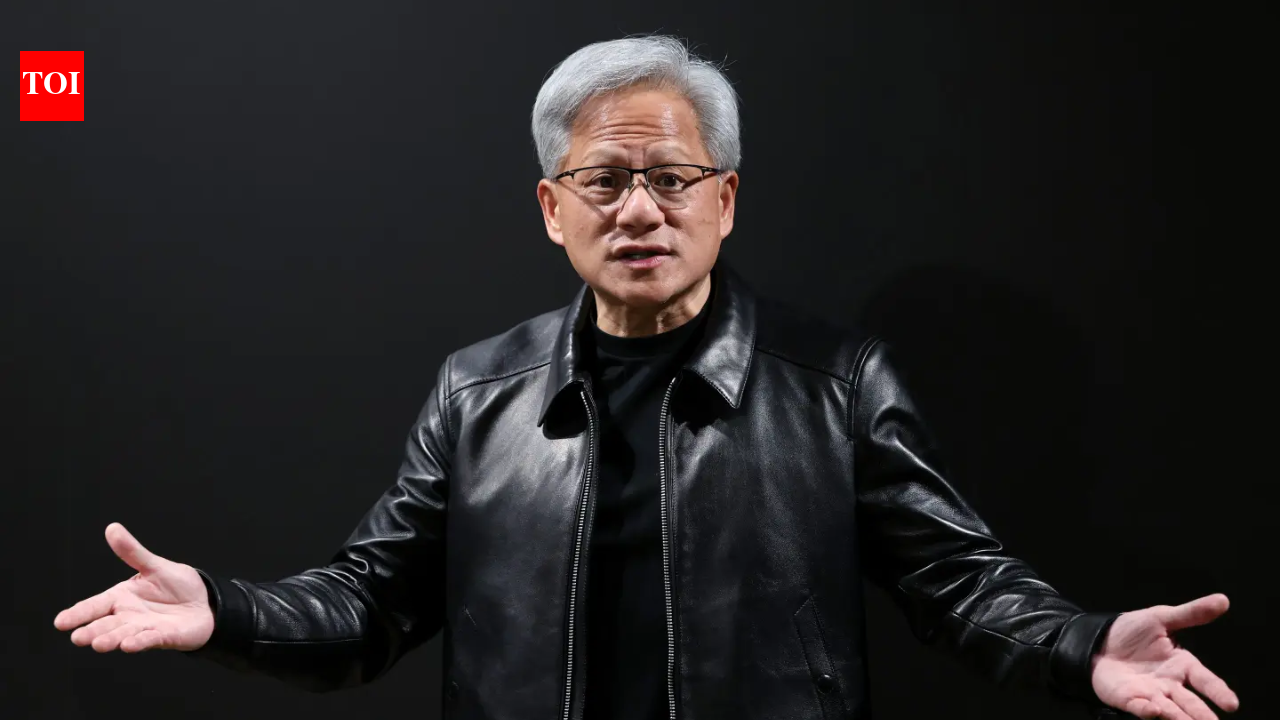
Jensen Huang, co-founder and CEO of Nvidia since 1993, resigned from his position on Thursday, November 12, 2026, following a series of reported extramarital affairs. His departure came after an internal email on Sunday where Huang admitted to being "unfaithful to [his] wife," an admission that followed reports of an affair with a suspected Chinese intelligence asset. Subsequently, additional allegations surfaced, including a second affair with a direct report and a third with another Nvidia employee, as reported by Reuters. The board, largely composed of early investors and Huang's confidantes, announced his resignation and appointed Chief Financial Officer Colette Kress as interim CEO. Former Synopsys CEO Harvey Jones was named the new board chair. The fallout has been significant, with Nvidia losing approximately $1 trillion in market value since the allegations became public, prompting investigations by US lawmakers and the FBI, and raising concerns about potential new export controls on chips.
The resignation has sparked considerable internal dissent among Nvidia's workforce. An internal suggestion box post, initiated by a longtime Nvidia engineer before Huang's resignation, garnered over 1,600 comments, predominantly supporting his return. One anonymous commenter urged, "If you believe in the mission, bring back THE boss," while another stated, "We are all humans and can make mistakes. Jensen did so many good things and he needs a second chance." This sentiment extended to a company-wide email from another employee, declaring, "I stand by Jensen... because I refuse to believe that standing for fairness must mean standing at a distance from someone whose leadership has meant so much to us." Many employees expressed surprise and frustration that Huang stepped down before the board's investigation concluded, leaving them without answers regarding the timing of his exit.
What the Evidence Establishes
The evidence establishes that Jensen Huang resigned as Nvidia CEO on Thursday, November 12, 2026, after admitting to marital infidelity in an email to employees. This admission followed reports of an affair with a suspected Chinese intelligence asset, and subsequent reports by Reuters detailed additional alleged affairs with Nvidia employees. The company's market capitalization decreased by approximately $1 trillion since these allegations surfaced. Colette Kress, Nvidia's CFO, has been appointed interim CEO, and Harvey Jones, former Synopsys CEO, is the new board chair. US lawmakers and the FBI have initiated investigations into the matter, indicating potential national security and corporate governance concerns.
Internally, a significant portion of Nvidia's workforce has expressed strong support for Huang's return. An internal suggestion box post advocating for his reinstatement accumulated over 1,600 comments, with the majority favoring his leadership. This employee sentiment was further amplified by a company-wide email backing Huang, emphasizing his contributions to the company's success. Multiple Nvidia employees, speaking anonymously to Wired, confirmed widespread support for Huang and concern that the company would suffer without his leadership. Analysts like Dan Ives of Yorkville Ives & Co. estimated Huang's personal value to Nvidia at $75 per share, noting a potential drop from $300 to $225 per share without him. Citi analysts Atif Malik and Papa Sylla also cut Nvidia's price target from $285 to $225, citing the leadership transition as an "overhang on the stock."
Where the Accounts Conflict
While the core facts of Jensen Huang's resignation and the immediate aftermath are largely consistent across reports, there are differing perspectives on the long-term impact of his departure and the board's handling of the situation. Breitbart, citing CNBC, highlights stock analysts' immediate concerns about the "spiderweb of complexity" created by Huang's exit, with Dan Ives of Yorkville Ives & Co. explicitly stating, "Jensen has created a black eye moment for himself and Nvidia." This perspective emphasizes the irreplaceable nature of Huang's strategic vision and customer relationships, suggesting a significant and lasting negative impact on the company's trajectory and stock value.
Conversely, other analysts offer a more tempered view regarding Nvidia's resilience. Nathan Thooft, chief investment officer at Manulife Investment Management, acknowledged the "key man risk" but asserted that Nvidia possesses "40,000 other employees... real talent there," capable of executing existing plans. He cautioned, however, that the "bigger risk is the foresight in the next several years," implying that while operational continuity might be maintained, Huang's unique long-term vision would be difficult to replace. Robert Greifeld, former Nasdaq chairman and CEO, criticized the board's "horrible job of succession planning," raising questions about whether Huang had been truthful with them. These differing analyses highlight a conflict between those who view Huang as indispensable for Nvidia's future innovation and those who believe the company's deep talent pool can mitigate the leadership vacuum, albeit with potential challenges in long-term strategic direction.
Context and Stakes
Jensen Huang's resignation carries significant implications for Nvidia, the broader AI industry, and corporate governance standards. Nvidia, under Huang's 30-year leadership, became a dominant force in AI infrastructure and a primary beneficiary of the global AI spending cycle, achieving a valuation as one of the world's most valuable companies. His departure creates a leadership vacuum at a critical juncture for the AI revolution, raising questions about the company's ability to maintain its innovative edge and market position without its visionary founder. The immediate $1 trillion loss in market value underscores investor anxiety regarding the stability and future direction of a company central to technological advancement.
Beyond corporate performance, the allegations of an affair with a suspected Chinese intelligence asset introduce national security concerns. The FBI and US lawmakers have opened investigations, which could lead to fresh export controls on chips, impacting Nvidia's global operations and the broader semiconductor supply chain. This situation highlights the increasing scrutiny on the personal conduct of tech leaders, particularly when it intersects with geopolitical sensitivities and national security interests. The internal employee outcry for Huang's return also reveals a tension between corporate governance decisions and employee loyalty, suggesting that the board's actions may face ongoing internal pressure. The incident serves as a case study in "key man risk" and the challenges of succession planning in founder-led technology giants, prompting broader discussions on corporate accountability and the impact of executive conduct on institutional stability.
What to Watch Next
The immediate focus will be on Nvidia's board and its interim leadership under Colette Kress and Harvey Jones. The board is expected to clarify its process and timeline for selecting a permanent CEO, especially given the strong internal employee sentiment for Jensen Huang's reinstatement. Any public statements or internal communications from Nvidia regarding the ongoing investigations by US lawmakers and the FBI will be critical. Specifically, watch for details on the scope and findings of these investigations, particularly concerning the alleged Chinese intelligence asset, which could trigger new regulatory actions or export controls impacting Nvidia's business model and the broader semiconductor industry. The board will also need to address the governance questions raised by former Nasdaq chairman Robert Greifeld, specifically whether Huang misled them.
Market reactions to further developments will be closely monitored. Analysts like Dan Ives anticipate continued stock pressure, and any sustained decline could prompt more aggressive actions from the board to stabilize investor confidence. Observe whether Nvidia's stock price stabilizes or continues its downward trend in the coming days, particularly in response to any official announcements. Furthermore, the actions of key competitors in the AI chip space will be relevant, as they may seek to capitalize on Nvidia's leadership transition. Finally, watch for any further public or internal statements from Jensen Huang himself, as he has remained silent since his Sunday email. His future involvement, even in an advisory capacity, could significantly influence employee morale and market perception.
Bottom Line
Jensen Huang's abrupt resignation as Nvidia CEO, driven by personal conduct issues including alleged affairs, has plunged the company into a period of significant uncertainty. The immediate financial impact is substantial, evidenced by a $1 trillion market value loss, and the situation has attracted the attention of US lawmakers and the FBI due to potential national security implications. Internally, a vocal segment of Nvidia's workforce is actively advocating for Huang's return, highlighting the deep loyalty and perceived indispensability of his leadership.
The coming weeks will test the resilience of Nvidia's corporate governance and its ability to navigate a complex landscape of market volatility, regulatory scrutiny, and internal dissent. The board's decisions regarding permanent leadership and transparency surrounding the investigations will be crucial in stabilizing the company and reassuring investors and employees. While some analysts express concern over the loss of Huang's unique vision, others point to Nvidia's deep talent pool as a mitigating factor. The long-term trajectory of Nvidia, a cornerstone of the AI revolution, will depend heavily on how effectively it manages this leadership transition and addresses the multifaceted challenges arising from its founder's unexpected departure.
DECLASSIFIED SOURCE: Operative Telegram Feed (via Real-time Signal Upgrade)
Separate what looks backed, what is changing, and what still needs proof.
Jensen Huang resigned as Nvidia CEO following reported affairs and a $1 trillion market value loss. Employees rally for his return, citing his leadership.
No comments yet. Start the conversation.