What Happened
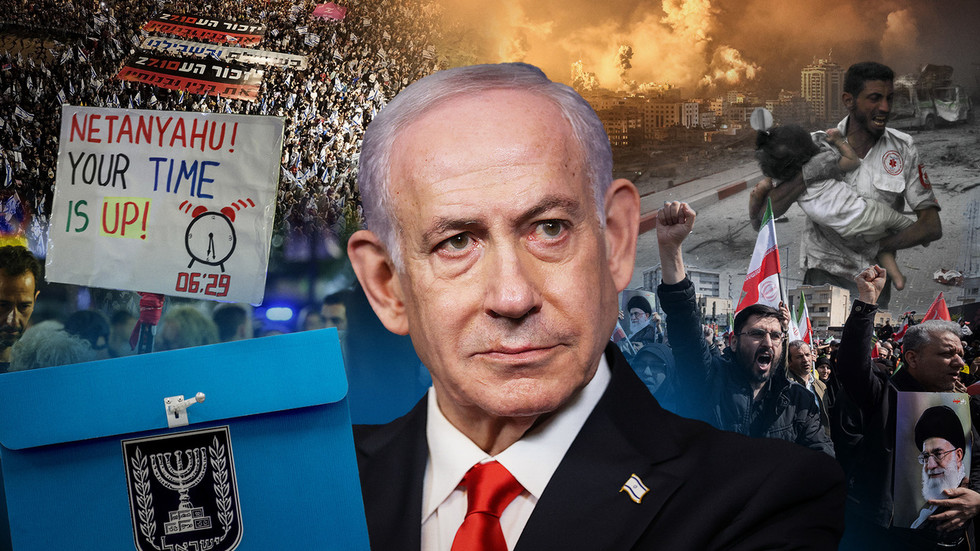
Israelis headed to the polls on October 27, 2026, in a closely contested election that could determine the country's future government and its impact on national security, relations with the US, and the Palestinian population.
Prime Minister Benjamin Netanyahu, who has dominated Israeli politics for decades, is seeking re-election despite facing a corruption trial and criticism over his handling of security concerns.
The election is the first since the Hamas-led attack on October 7, 2023, which triggered a war in Gaza and raised questions about Israel's security leadership.
What the Evidence Establishes
The evidence establishes that the election is a referendum on Netanyahu's leadership and his handling of security concerns, with many Israelis questioning his ability to keep the country safe.
According to a report by the Israel Democracy Institute, the process of forming an Israeli government has historically taken between 20 and 100 days.
The election has also highlighted the deep divisions within Israeli society, with many Israelis split over Netanyahu's leadership and the country's future direction.
A survey by the Israeli newspaper Haaretz found that 55% of Israelis believe that Netanyahu is responsible for the country's security failures, while 35% believe that he is not responsible.
Where the Accounts Conflict
The accounts of the election and its implications conflict, with some analysts arguing that the election is a choice between a functioning democracy and a democracy in name only.
Others argue that the election is not a referendum on the treatment of Palestinians, but rather a question of competence, timing, and accountability for the alleged failures that preceded the October 7 attack.
According to Yehouda Shenhav-Shahrabani, an Israeli sociologist, the entire Israeli political system operates within the racist framework of Jewish supremacy, and none of the leaders who present themselves as an alternative to Netanyahu can genuinely be described as left-wing.
Daniel Levy, a former Israeli government adviser, argued that the treatment of Palestinians by the Israeli state and military is a consensus among Zionist parties, with differences among them primarily resting on whether it's the state's job to oppress Palestinians or if the settler militias also have a role to play.
Context and Stakes
The context of the election is marked by a shift to the right in Israeli politics, with the collapse of the peace process with the Palestinians and repeated security crises over the past few decades contributing to the erosion of the political centre and left.
The stakes of the election are high, with the outcome determining Israel's future government and its impact on national security, relations with the US, and the Palestinian population.
According to Ahron Bregman, an Israeli analyst, the decision facing Israel is ultimately a decision on whether to live in a functioning democracy or a democracy in name only.
Yossi Mekelberg, a senior fellow at Chatham House, argued that the choice facing Israel is between maintaining the occupation of the West Bank or annexing it entirely and the population's 'voluntary migration' from there.
What to Watch Next
As the election results are announced, it is likely that the formation of a new government will take several weeks or even months, with coalition negotiations and the allocation of ministerial positions being key factors in determining the country's future direction.
The international community will be watching the election closely, with many countries having a vested interest in the outcome and its implications for regional stability.
According to the Israeli newspaper The Jerusalem Post, the US has expressed concerns about the potential for unrest and violence in the aftermath of the election, and has urged all parties to respect the democratic process and the rule of law.
The European Union has also issued a statement calling for calm and restraint, and urging all parties to engage in constructive dialogue to address the challenges facing Israel and the region.
Bottom Line
In conclusion, the Israeli election is a critical moment in the country's history, with the outcome determining its future government and its impact on national security, relations with the US, and the Palestinian population.
While the election is marked by deep divisions and conflicting accounts, it is clear that the stakes are high and the implications of the outcome will be far-reaching.
As the country moves forward, it is likely that the formation of a new government will be a complex and challenging process, with many different factors at play.
Ultimately, the outcome of the election will depend on the ability of the different parties to negotiate and compromise, and to find a way forward that addresses the complex challenges facing Israel and the region.
DECLASSIFIED SOURCE: RT - News (via Real-time Signal Upgrade)
No comments yet. Start the conversation.