What Happened
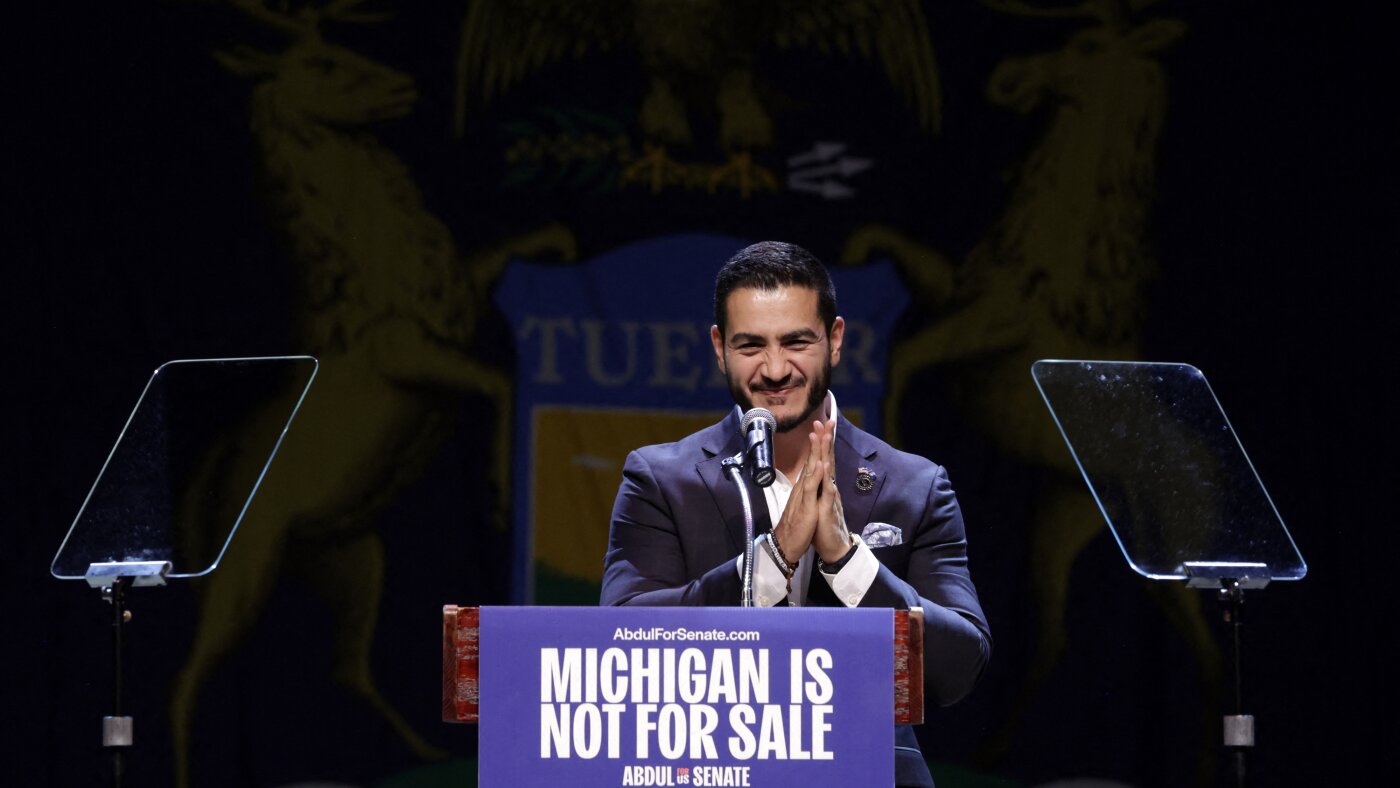
Abdul El-Sayed secured the Democratic nomination for Michigan's Senate seat this week, emerging victorious from a competitive primary race. His win, however, has prompted internal discussions among Democrats regarding the demographic breakdown of the vote and potential challenges in uniting the party's base for the general election. Concurrently, in Washington D.C., Senator Rand Paul (R-Ky.) announced his intention to proceed with a contempt of Congress vote against Dr. Anthony Fauci, the former chief medical advisor to the president. This action follows Fauci's refusal to testify before Paul's Committee on Homeland Security and Governmental Affairs last week, where he invoked his Fifth Amendment rights more than 100 times in response to questions regarding his role in the U.S. COVID-19 response. Paul's resolution, unveiled on Tuesday, stipulates that if passed by the committee, it would be immediately referred to the U.S. Attorney for the District of Columbia for further action.
The Michigan primary saw El-Sayed, described as a progressive outsider, defeat his chief rival, Representative Haley Stevens (D), and Mallory McMorrow, a Democratic state senator who withdrew from the race prior to the vote. Strategists now indicate that El-Sayed must leverage the momentum from his primary win to consolidate support from voters who initially backed his opponents. The political landscape in Michigan is considered a critical battleground, making the unity of the Democratic party essential for the upcoming general election. The dual developments underscore significant political activity at both state and federal levels, with immediate implications for party strategy and governmental oversight.
What the Evidence Establishes
The evidence establishes that Abdul El-Sayed won the Michigan Democratic Senate primary, a fact reported by The Hill on August 6, 2026. This victory positions him as the party's nominee for a critical Senate seat. The same reporting indicates that Democrats harbor
What the Evidence Establishes
The evidence establishes that Abdul El-Sayed won the Michigan Democratic Senate primary, a fact reported by The Hill on August 6, 2026. This victory positions him as the party's nominee for a critical Senate seat. The same reporting indicates that Democrats harbor "glaring warning signs" regarding the demographic composition of the primary vote, suggesting potential difficulties in rallying a unified front for the general election. Separately, Fox News reported on August 6, 2026, that Senator Rand Paul (R-Ky.) is confident he possesses the necessary votes to pass a contempt of Congress resolution against Dr. Anthony Fauci. This action stems from Fauci's invocation of the Fifth Amendment "well over 100 times" during a Senate committee hearing last week, where he declined to answer questions about his involvement in the U.S. COVID-19 response. Fauci explicitly stated, "Although it pains me to do so because of the respect I have for the legislative branch of government, and my decades-long record of cooperating with Congress under the advice of my attorneys, I will invoke my right under the Fifth Amendment of the Constitution to refrain from answering your questions."
Senator Paul has confirmed his intention to "immediately refer" Fauci to the Department of Justice (DOJ) if the contempt vote is successful within his Committee on Homeland Security and Governmental Affairs. Paul's long-standing challenge against Fauci, which has included calls for his imprisonment and demands for admissions regarding a Wuhan lab leak, reached a critical point with Fauci's refusal to testify. Furthermore, Paul has raised a "legal question" concerning the scope of a "full and unconditional pardon" granted to Fauci by former President Joe Biden, covering actions between January 1, 2014, and January 19, 2025. Paul suggests that this pardon's effect on immunity from congressional inquiry may need judicial determination, indicating a complex legal path ahead for the referral.
Where the Accounts Conflict
While the core facts of El-Sayed's primary win and Senator Paul's contempt push are consistent across sources, the framing and emphasis present differing perspectives. For Abdul El-Sayed's victory in Michigan, The Hill's reporting highlights a dichotomy: one article emphasizes the "energy that fueled his primary win" and the need for him to "sway the voters who backed his chief rival Rep. Haley Stevens (D) and Mallory McMorrow." This suggests a focus on the positive momentum and the strategic challenge of unification. However, another article from The Hill explicitly points to "demographic breakdown of the vote" as containing "glaring warning signs for the party," indicating a more cautious and concerned outlook on El-Sayed's general election prospects. These two perspectives, while not factually contradictory, offer conflicting interpretations of the strength and implications of his primary success.
Regarding Dr. Anthony Fauci, the accounts do not conflict on the fact of his Fifth Amendment invocation or Senator Paul's intent to pursue contempt charges. However, Paul introduces a nuanced legal question regarding the "sweeping pardon" issued by former President Joe Biden. Paul suggests that this pardon, which covers actions from January 1, 2014, to January 19, 2025, may not offer "complete immunity" from congressional inquiry, implying a potential legal challenge that the "courts may have to decide upon." While Fauci's lawyers advised him to invoke the Fifth Amendment, implying a belief in its applicability, Paul's questioning of the pardon's scope introduces an area of legal ambiguity that remains unresolved and could be a point of contention if the matter proceeds to the Department of Justice. The sources do not provide Fauci's legal team's counter-argument on this specific point, leaving Paul's assertion as the primary stated legal conflict.
Context and Stakes
The Michigan Senate race is a critical battleground in the upcoming general election, with national implications for the balance of power in the U.S. Senate. For Democrats, securing this seat is vital to maintaining or expanding their majority, making Abdul El-Sayed's ability to unify the party's progressive and moderate factions a significant challenge. The "demographic breakdown" concerns cited by The Hill suggest that El-Sayed's appeal may not be broad enough to easily win over all segments of the Democratic electorate, potentially requiring substantial strategic adjustments and resource allocation. A failure to consolidate support could jeopardize the party's chances in a state that has seen close contests in recent election cycles, directly impacting legislative priorities and judicial appointments at the federal level.
The push to hold Dr. Anthony Fauci in contempt of Congress represents the culmination of a years-long political and ideological conflict, primarily led by Senator Rand Paul. Paul has consistently challenged Fauci's role and decisions during the COVID-19 pandemic, including allegations related to the origins of the virus and the funding of risky research. A successful contempt vote and subsequent referral to the Department of Justice would escalate this oversight effort into a formal legal process, potentially forcing Fauci to provide testimony or face legal consequences. The stakes are high for both sides: for Paul, it's about accountability and transparency regarding the pandemic response; for Fauci, it's about protecting his constitutional rights and reputation. The legal question surrounding former President Biden's pardon adds another layer of complexity, potentially setting a precedent for how presidential pardons interact with congressional investigative powers, which could have long-term implications for executive branch officials.
What to Watch Next
The immediate focus will be on the Senate Committee on Homeland Security and Governmental Affairs, which is slated to vote on Senator Rand Paul's contempt resolution against Dr. Anthony Fauci on Thursday morning, August 6, 2026. The outcome of this vote will determine whether the referral to the U.S. Attorney for the District of Columbia proceeds. If the committee approves the resolution, attention will shift to the Department of Justice and the U.S. Attorney's office to see how they respond to the referral, particularly given the legal questions Paul has raised regarding Fauci's presidential pardon. Any public statements or actions from the DOJ in the coming days will be closely scrutinized for indications of their intent to pursue charges or challenge the scope of the pardon.
In Michigan, Abdul El-Sayed's campaign will be under intense observation as he transitions from the primary to the general election. Political strategists will be watching for his efforts to unify the Democratic party, specifically how he engages with voters who supported his primary rivals, Representative Haley Stevens and Mallory McMorrow. His campaign's messaging and outreach strategies in the coming weeks will be crucial indicators of his ability to address the "demographic concerns" identified by party insiders. Key events to monitor include any endorsements from former rivals, early polling data reflecting his general election standing, and the initial fundraising efforts to support his broader campaign. The actions of the Republican nominee in Michigan will also be a significant factor in shaping the narrative and dynamics of this critical Senate race.
Bottom Line
Abdul El-Sayed's victory in the Michigan Democratic Senate primary sets the stage for a challenging general election, with internal party concerns about voter unity and demographic support. His ability to consolidate the Democratic base will be a decisive factor in a state crucial for national Senate control. Concurrently, Senator Rand Paul's push for a contempt of Congress vote against Dr. Anthony Fauci, following Fauci's invocation of the Fifth Amendment, represents a significant escalation in the long-running dispute over the COVID-19 response. The impending committee vote and potential Department of Justice referral could lead to unprecedented legal challenges regarding congressional oversight and the scope of presidential pardons.
These two distinct but concurrent political developments highlight ongoing tensions within the Democratic party and persistent efforts by Republicans to hold former officials accountable. The outcomes of both the Michigan Senate race and the Fauci contempt proceedings will have tangible impacts on the political landscape, influencing legislative agendas, future oversight mechanisms, and potentially setting new legal precedents. The coming weeks will reveal the immediate consequences of these actions, from the DOJ's response to Paul's referral to El-Sayed's initial steps in uniting his party for the general election campaign.
DECLASSIFIED SOURCE: NPR News (via Real-time Signal Upgrade)
Abdul El-Sayed taking the Michigan Dem primary is surprising, but the party’s already worried about who actually turned out. Rand Paul pushing a Fauci contempt vote feels like more political theater.
i can see why the party is worried about the demographic breakdown in michigan, but if he pulls in a huge turnout, that might actually help the general election too. do you think his platform is too far left to win th...
If the party is already worried about demographics after the El-Sayed win, how are they going to manage to fund local school programs or keep rent increases in check if they can't even unite the base? Will this primar...
People are focusing on the demographics, but the real issue is how El-Sayed handles the donor base shift if he can't bridge that gap before the general election.