What Happened
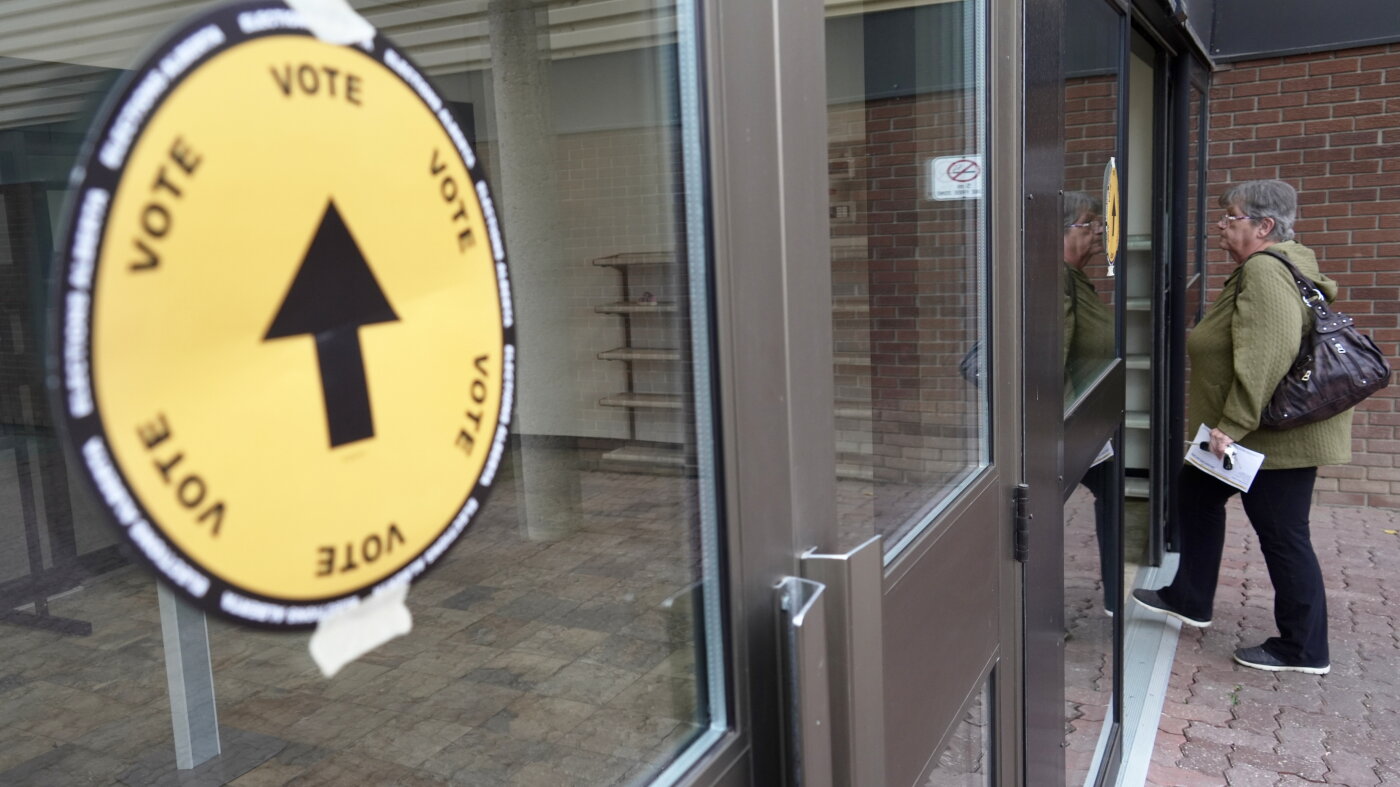
Alberta residents voted Monday in the province's first-ever referendum on whether to begin a legal process toward potential separation from Canada. With more than one million ballots counted by Tuesday morning, approximately 76 percent supported remaining in Canada while 23 percent backed initiating a pathway that could lead to a future independence vote. The referendum question did not ask directly about independence but would have set the oil-rich province on course for a subsequent binding vote on separation. Prime Minister Mark Carney, who took office earlier in 2026, characterized the result as a much-needed win for national unity as his government manages an escalating trade war with the United States. Official certified results are scheduled for release on October 29, though the early margin appears insurmountable for the separation side.
What the Evidence Establishes
Al Jazeera reporting confirms that early results released Tuesday showed a decisive 76-23 split in favor of remaining in Canada, with over one million votes counted. The AF Post Telegram feed corroborates that voting occurred Monday and that official results are scheduled for October 29. The referendum was structured as a preliminary step rather than a direct independence vote — a 'yes' outcome would have triggered a legal process toward a future binding separation referendum, not immediate secession. Alberta's status as Canada's primary oil-producing province gives the vote outsized economic significance. The Carney government had framed the referendum as a test of national cohesion amid deteriorating trade relations with Washington, which has imposed tariffs on Canadian energy exports. No evidence in the source material indicates irregularities in vote counting or turnout figures.
Where the Accounts Conflict
The two available sources present minor timing discrepancies that warrant notation. Al Jazeera's Tuesday morning report states early results were shown 'on Tuesday' with the vote described as having occurred, while the AF Post Telegram feed explicitly notes 'Voters in Alberta, Canada, went to the polls Monday' and references an October 20 timestamp. This suggests the vote took place Monday, October 19, with early results reported Tuesday, October 20 — a standard election-night reporting pattern. Neither source provides turnout percentage, demographic breakdowns, or regional voting patterns within Alberta. The AF Post feed cites an official results date of October 29, while Al Jazeera does not specify a certification deadline. No conflicting vote totals or qualitative assessments appear between the sources; both characterize the outcome as a clear rejection of the separation pathway.
Context and Stakes
The referendum unfolded against a backdrop of intensifying Canada-U.S. trade conflict that has directly threatened Alberta's economic engine. The United States has imposed tariffs on Canadian crude oil and natural gas exports, pressuring provincial revenues and amplifying longstanding western alienation narratives. Premier Danielle Smith's United Conservative Party government had enabled the referendum under pressure from separatist factions within her coalition, though Smith herself campaigned for a 'remain' vote while advocating for greater provincial autonomy. For Carney, a former Bank of Canada and Bank of England governor who assumed the premiership in 2026, the result validates his argument that federal engagement can contain regional grievances. A 'yes' outcome would have triggered constitutional negotiations unprecedented in Canadian history, potentially destabilizing energy markets, Indigenous treaty rights frameworks, and North American trade architecture. The 76-23 margin exceeds most pre-vote polling, suggesting the trade war may have rallied federalist sentiment rather than fueling separatism.
What to Watch Next
Official certification on October 29 will formalize the result, but the political aftermath begins immediately. Premier Smith faces pressure from separatist MLAs to pursue alternative autonomy measures — potentially a provincial police force, pension plan, or tax collection agency — as consolation for the referendum loss. Carney's government must now demonstrate that federal responsiveness to Alberta's grievances extends beyond referendum defeat, particularly on energy corridor approvals and equalization formula reform. The separatist movement's organizational capacity will be tested: whether its 23 percent base mobilizes for municipal elections, party leadership contests, or a future referendum push. Energy markets will monitor whether the decisive result reduces political risk premiums on Canadian oil sands investment. Indigenous nations in Alberta, several of which opposed the referendum as a threat to treaty relationships with the Crown, may demand renewed nation-to-nation negotiations with Ottawa.
Bottom Line
Alberta's first separation referendum ended in a decisive victory for Canadian unity, with roughly three-quarters of voters rejecting a pathway to independence. The result strengthens Prime Minister Carney's hand in managing the U.S. trade war and deflects the most immediate existential threat to Confederation in decades. However, the 23 percent support for a separation process — representing hundreds of thousands of Albertans — signals a persistent structural grievance that a single vote cannot resolve. The federal government's next moves on energy policy, equalization, and western representation will determine whether this referendum settles the question for a generation or merely postpones the next confrontation. For now, the oil-rich province remains in Canada, and the map holds.
DECLASSIFIED SOURCE: NPR News (via Real-time Signal Upgrade)
The article states that 76% of voters supported remaining in Canada, but it's worth noting that the referendum question itself did not directly ask about independence, which might have affected the outcome - according...
Big headline, but the real test is whether alberta voters rejected a pathway to independence by a 76-23 margin monday, delivering prime minister mark... actually changes anything.