White House Press Secretary Katie Zacharia Refuses Questions Amidst Credential Controversy
By TMZWhite House Press Secretary Katie Zacharia declined media questions Friday, facing scrutiny over past claims of being a 'lawyer' despite not passing the bar exam.
What Happened
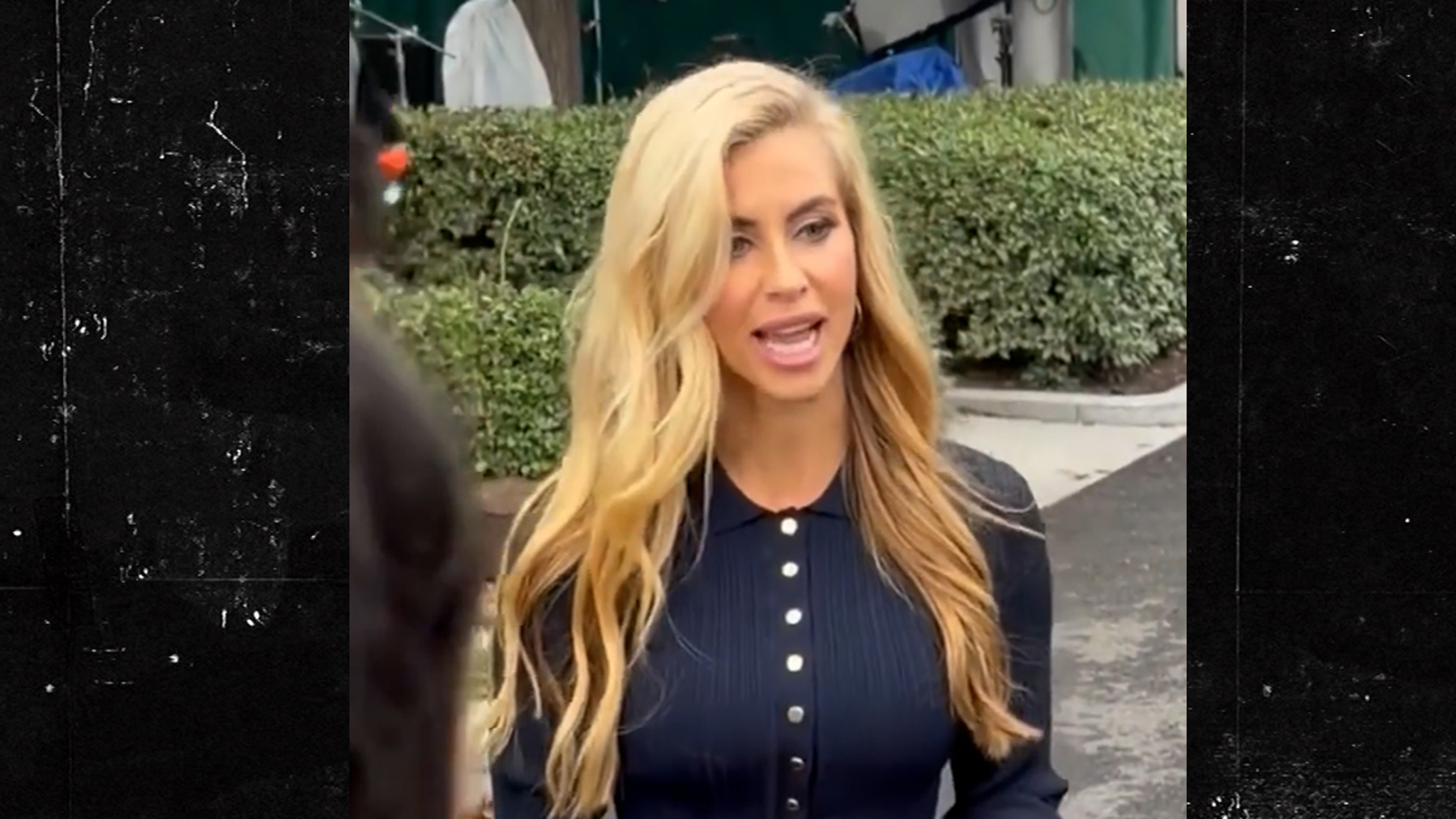
On Friday, October 16, 2026, White House Press Secretary Katie Zacharia approached reporters on the North Lawn and immediately stated, "I'm not taking any questions." This refusal occurred during her first week in the role, drawing immediate criticism from the press corps, who noted that answering questions is a core function of the position. Zacharia instead instructed reporters to contact her via phone calls, texts, and emails for inquiries, effectively making on-camera questioning off-limits. This incident followed a Thursday night interview on Sean Hannity's Fox News program, where Zacharia was grilled about her past claims of being a "lawyer" despite not having passed the bar exam. During the interview, Hannity pressed her on her attendance at Pepperdine University and her failure on her first bar exam attempt, as well as her subsequent decision not to retake the exam. The controversy has marked a turbulent start to her tenure as President Trump's new press secretary.
The Friday refusal to engage with the press corps directly on camera escalated concerns regarding transparency and the role of the White House Press Secretary. Reporters had gathered specifically to question Zacharia about the ongoing controversy surrounding her legal credentials. Her directive to use alternative communication methods was perceived by many as an attempt to control the narrative and avoid direct, unscripted scrutiny. This move, coming so early in her term, has set a contentious tone for her relationship with the media, prompting outlets like TMZ to describe the situation with phrases such as "Up is down, and down is up." The incident highlights a significant departure from traditional White House press briefing protocols, where direct questioning is a standard expectation.
What the Evidence Establishes
Evidence establishes that Katie Zacharia possesses a law degree from Pepperdine University. However, she failed her initial attempt at the bar exam and subsequently did not retake it, meaning she is not a licensed attorney. During her interview with Sean Hannity on Thursday night, Zacharia confirmed that she "did not" take the bar exam a second or third time. She also acknowledged that she had referred to herself as a "lawyer" but distinguished this from being an "attorney," claiming she was advised that such a distinction was permissible. Hannity, however, cited a media report indicating Zacharia had labeled herself as an "attorney" in 15 social media posts, a claim she countered by stating these were retweets and not her direct endorsement of the title. The core factual discrepancy centers on her professional designation and whether her public statements accurately reflected her licensure status.
The White House Press Secretary role does not legally require a law degree or bar admission, as noted by TMZ. However, the controversy stems from Zacharia's personal representation of her qualifications. Her explanation to Hannity regarding getting married and moving to China with her family for work was offered as context for not retaking the bar exam, but it did not alter the fact of her unlicensed status. The media's focus on this issue, particularly from outlets like TMZ and The Hill, underscores the importance placed on the credibility and transparency of high-ranking White House officials. The Friday refusal to take questions directly from the press corps further solidified the perception of an administration official attempting to avoid accountability for public statements regarding her professional background.
Where the Accounts Conflict
The primary conflict in accounts revolves around Katie Zacharia's use of legal terminology and her intent behind it. Zacharia stated during her interview with Sean Hannity that she was advised by "many people" that she could refer to herself as a "lawyer" but not an "attorney." This distinction is often debated, with many legal professionals and the general public viewing the terms as interchangeable in common parlance. Hannity explicitly challenged this, indicating that "most people don't see a distinction between a lawyer and an attorney." This suggests a conflict between Zacharia's interpretation of the terms and common understanding, as well as potentially legal definitions.
A second point of contention emerged regarding Zacharia's social media activity. Hannity cited a media report claiming she had labeled herself as an "attorney" in 15 social media posts. Zacharia pushed back against this, asserting that these were merely "retweets" and that she was not personally "endorsing the title." This creates a conflict between the media report's interpretation of her social media presence and Zacharia's defense, which attempts to distance her from direct endorsement of the "attorney" title. The veracity of the media report's claim about the number and nature of these posts, and Zacharia's explanation of them, remains a point of disagreement that contributes to the broader scrutiny of her professional representations.
Context and Stakes
The role of the White House Press Secretary is fundamentally to communicate the administration's policies and positions to the public through the media, often requiring direct and unscripted engagement. A refusal to take questions, especially during a period of personal controversy, undermines the traditional function of the office and can erode public trust in government transparency. Historically, press secretaries like Sean Spicer and Sarah Huckabee Sanders, while often contentious, engaged in regular question-and-answer sessions. Zacharia's approach deviates significantly from these established norms, potentially setting a precedent for reduced direct accountability from the White House podium. The stakes involve the public's right to information and the media's ability to hold power accountable.
Furthermore, the controversy surrounding Zacharia's legal credentials touches upon issues of integrity and truthfulness for high-level government appointees. Misrepresenting professional qualifications, even if not legally required for the position, can lead to questions about an individual's broader credibility. For an administration that frequently emphasizes transparency and honesty, such an issue can become a significant political liability. The fallout from Kimberly Guilfoyle’s resignation, mentioned by The Hill, suggests a broader pattern of scrutiny regarding appointments within the current administration. This incident could impact public perception of President Trump's judgment in selecting personnel and potentially influence ongoing midterm election battles, as suggested by The Hill's reporting on "midterms battles."
What to Watch Next
Observers should monitor Katie Zacharia's future interactions with the White House press corps. Specifically, whether she will resume traditional on-camera question-and-answer sessions or continue to restrict media access to phone calls, texts, and emails. Any shift in this policy, or a sustained adherence to the new protocol, will indicate the administration's long-term strategy for media engagement. The White House communications team may issue a formal statement clarifying the press secretary's role or addressing the credential controversy directly. Such a statement would likely aim to mitigate negative press and reassert control over the narrative, potentially offering a more detailed explanation for Zacharia's actions or her legal background.
Additionally, watch for further media scrutiny into Zacharia's past statements and social media history regarding her legal qualifications. If additional instances of her referring to herself as an "attorney" or making other potentially misleading claims surface, it could intensify calls for her resignation or lead to a more formal investigation. The response from prominent political figures and media commentators, particularly those aligned with the administration, will also be indicative of the internal and external pressure Zacharia faces. Any public defense or criticism from within the Republican party or from President Trump himself could significantly influence her standing and the trajectory of her tenure. The Hill's mention of "Kimberly Guilfoyle’s resignation" suggests a precedent for high-profile departures under similar scrutiny.
Bottom Line
White House Press Secretary Katie Zacharia initiated her tenure with significant controversy, marked by her refusal to take questions from the media on Friday, October 16, 2026. This action followed a public grilling by Sean Hannity regarding her claims of being a "lawyer" despite not having passed the bar exam after graduating from Pepperdine University. While the role does not require legal licensure, the misrepresentation of credentials has drawn sharp criticism and raised questions about transparency and integrity within the administration. Her attempt to differentiate between a "lawyer" and an "attorney," and her explanation for not retaking the bar, have not fully assuaged concerns from the press or the public.
The immediate impact is a strained relationship between the White House press office and the media, potentially signaling a less transparent approach to public communication. The ongoing scrutiny of her qualifications and her handling of press interactions will likely define the early days of her press secretaryship. This situation underscores the critical importance of accurate representation for public officials and the media's role in verifying such claims. The administration faces a challenge in restoring confidence in its communications strategy and in the credibility of its new press secretary, particularly as midterm elections approach and public trust remains a key factor.
DECLASSIFIED SOURCE: TMZ (via Real-time Signal Upgrade)