US Missile Stockpiles Critically Depleted After Five-Month Iran War, Sources Claim
By Defense NewsUS Army used 'virtually all' long-range precision missiles in Iran war, raising readiness concerns. Officials dispute, citing record production and deep arsenal.
What Happened
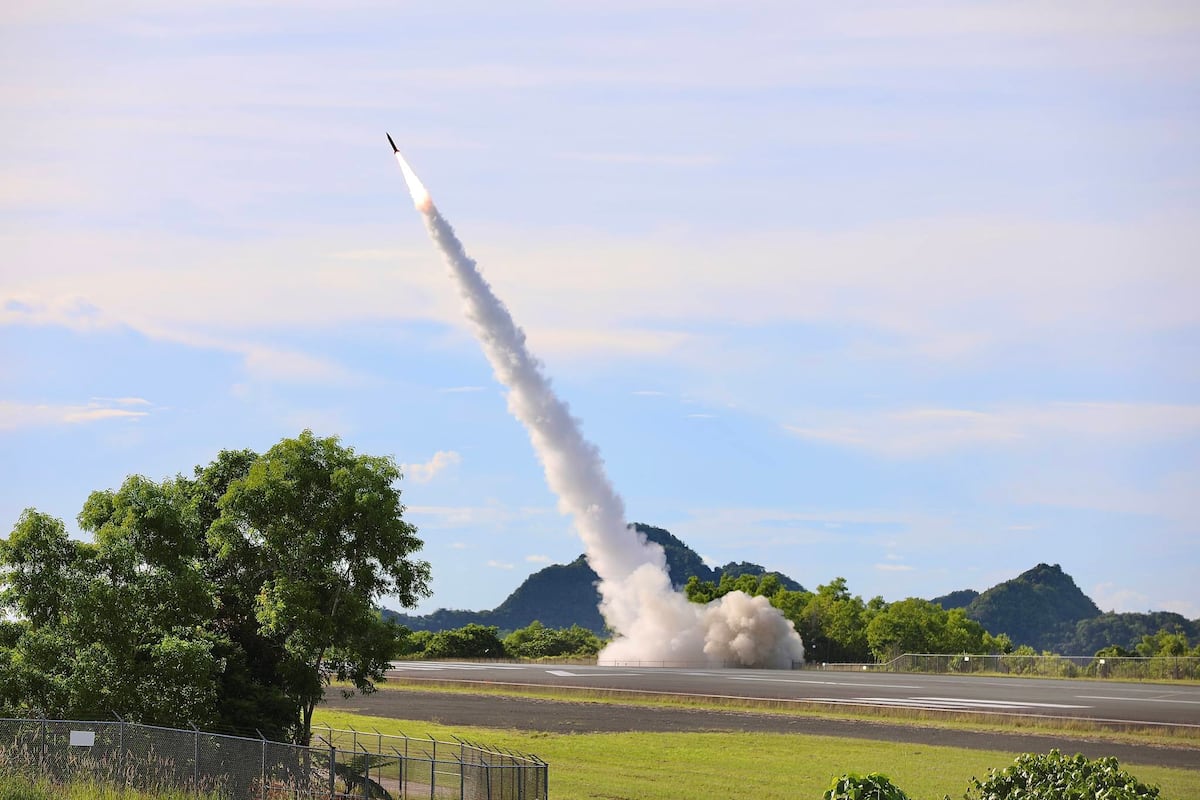
The United States Army has expended a substantial portion, described by two sources as 'virtually all,' of its highly accurate long-range surface-to-surface missiles, specifically Army Tactical Missile Systems (ATACMS) and Precision Strike Missiles (PrSM), during the five-month conflict with Iran. This depletion, which began with President Donald Trump's joint launch of the war with Israel in February 2026, has reportedly raised significant concerns among three individuals familiar with internal data regarding the military's capacity for future engagements. The long-range munitions, each costing over $1 million, are critical for striking targets from a safe distance and have been utilized in Ukraine against Russian forces, as well as against targets inside Iran, according to a March report by the Center for Strategic and International Studies (CSIS).
Beyond offensive capabilities, defensive missile stockpiles have also seen considerable reductions. A CSIS report published last week estimated that between February and July, approximately 65% of Patriot interceptors were expended, and the number of THAAD ballistic missile interceptors decreased by at least 38%. Additionally, one source indicated that less than half of the global supply of Tomahawk cruise missiles, primarily a Navy weapon launched from ships, has been utilized since the war's commencement. These figures, though not directly seen by Reuters, reportedly align with internal U.S. data, according to two anonymous sources.
What the Evidence Establishes
Evidence from multiple anonymous sources, corroborated by reports from the Center for Strategic and International Studies (CSIS), establishes a significant drawdown in U.S. missile inventories. Three individuals familiar with the data confirm that the U.S. Army has used 'much' of its ATACMS and PrSM stockpiles, with two of these sources specifying 'virtually all.' The PrSM, a newer munition intended to replace the ATACMS, had low initial stockpiles but has seen large orders placed for 2027. The CSIS report from last week provides concrete percentages for defensive systems, indicating a 65% expenditure of Patriot interceptors and a 38% reduction in THAAD interceptors between February and July 2026. These figures are consistent with internal U.S. data, according to two sources.
Furthermore, the use of these precision weapons has been documented, with ATACMS playing a role in the Ukraine conflict and both ATACMS and PrSM being deployed against targets within Iran, as noted in a March CSIS report. The strategic value of these weapons, particularly against adversaries with strong air defenses like China, is widely acknowledged by analysts. While Central Command (CENTCOM) reportedly reloaded some land-based missiles from other U.S. military supplies, the overall global depletion of various missile types, including less than half of the Tomahawk cruise missile supply, points to a broad impact on the U.S. arsenal. Defense contractors Lockheed Martin and Raytheon (a unit of RTX) are involved in the production of these systems, with Raytheon having a tentative multi-year agreement to boost Tomahawk production.
Where the Accounts Conflict
Significant discrepancies exist between the assessments of anonymous sources and official statements from the Trump administration regarding the status of U.S. missile stockpiles. Three anonymous individuals familiar with the data express worry that falling missile supplies could limit the U.S. ability to deter adversaries such as Russia and China. Two of these sources specifically state that 'virtually all' long-range precision missiles have been used. In direct contrast, President Donald Trump issued a statement asserting that the U.S. possesses 'far more munitions than anyone in the world' and 'far more than we need,' adding that defense companies are producing munitions at record levels and expanding facilities.
Chief Pentagon spokesperson Sean Parnell echoed this official stance, stating that 'America's military is the most powerful in the world and has everything it needs to execute at the time and place of the President's choosing.' Another point of contention revolves around the reasons for halting a recent offensive inside Iran. Several media outlets reported last week that Trump decided against another massive attack due to warnings from military advisers about dwindling U.S. stockpiles. However, a U.S. official disputed these accounts, claiming that Trump's decision was influenced by pressure from Gulf states, presenting two distinct narratives for a critical operational choice.
Context and Stakes
The reported depletion of U.S. missile stockpiles during the five-month Iran war carries substantial geopolitical and national security implications. The conflict, initiated by President Trump and Israel in February 2026, has continued longer than Trump's initial prediction of a short duration. The extensive use of ATACMS and PrSM missiles, which are crucial for precision strikes from a safe distance, raises questions about the U.S. military's readiness to respond to other potential crises, particularly involving major adversaries like China and Russia. Analysts consistently highlight the importance of these weapons in conflicts against nations with advanced air defenses.
Furthermore, the debate over missile supplies is intertwined with broader constitutional questions regarding presidential authority. The Middle East conflict has proceeded without a formal declaration of war or an Authorization for Use of Military Force (AUMF) from Congress, sparking intense debate about the legality and oversight of such prolonged hostilities. The reliance on long-range precision strikes, as one source suggested, may have been a deliberate strategy by the Trump administration to avoid riskier methods like piloted aircraft, which could further escalate the conflict or incur higher human costs. The long-term implications include potential shifts in defense procurement, with the Army phasing out ATACMS for the newer PrSM, and increased production efforts by companies like Raytheon to replenish critical inventories.
What to Watch Next
Observers should closely monitor official statements from the White House and Pentagon for any further clarification or rebuttal regarding the specific figures on missile depletion, particularly in response to the CSIS reports and anonymous source claims. Any public comments from Lockheed Martin or Raytheon (RTX) concerning their production capacities for ATACMS, PrSM, THAAD, Patriot, or Tomahawk missiles will be critical indicators of the U.S. industrial base's ability to replenish stockpiles. The tentative multi-year agreement between Raytheon and the Pentagon for Tomahawk production suggests an ongoing effort to address these concerns, and details of this agreement, if made public, will provide insight into the scale of planned replenishment.
Additionally, attention should be paid to congressional activity. The ongoing debate about President Trump's authority to prosecute hostilities against Iran without explicit congressional authorization may intensify, potentially leading to legislative efforts to assert greater oversight or to formalize war powers. Any requests for supplemental defense appropriations or specific budget allocations for missile procurement in the coming months will signal the administration's perceived urgency in addressing the reported shortfalls. Finally, any shifts in U.S. military posture or operational tactics in the Middle East or other theaters could indirectly confirm or refute the severity of the reported missile depletion, as commanders adapt to available resources.
Bottom Line
The United States has significantly drawn down its stockpiles of critical long-range precision and defensive missiles during the five-month war with Iran, according to multiple anonymous sources and detailed reports from the Center for Strategic and International Studies. Key systems like ATACMS, PrSM, Patriot interceptors, THAAD ballistic missile interceptors, and Tomahawk cruise missiles have seen substantial expenditure, with some categories reportedly 'virtually all' used or reduced by over 65%.
Despite these reports, President Donald Trump and Pentagon spokesperson Sean Parnell maintain that the U.S. possesses ample munitions and the most powerful military globally, with defense companies engaged in record production. This conflict in accounts highlights a tension between internal assessments of military readiness and public assurances. The depletion raises serious questions about the U.S. capacity to deter or engage in future conflicts with major adversaries like China and Russia, while also fueling an ongoing debate about presidential war powers and the need for congressional authorization for prolonged military engagements. Replenishment efforts, including new orders for PrSM and increased Tomahawk production, are underway but the immediate impact on strategic flexibility remains a concern.
DECLASSIFIED SOURCE: Defense News (via Real-time Signal Upgrade)