Trump Publicly Deflects Midterm Losses While Privately Endorsing Vance's Blame on Iran War and Affordability
By TMZFollowing GOP midterm losses, Trump publicly focused on White House renovations, but privately approved JD Vance's analysis blaming the Iran war and affordability.
What Happened
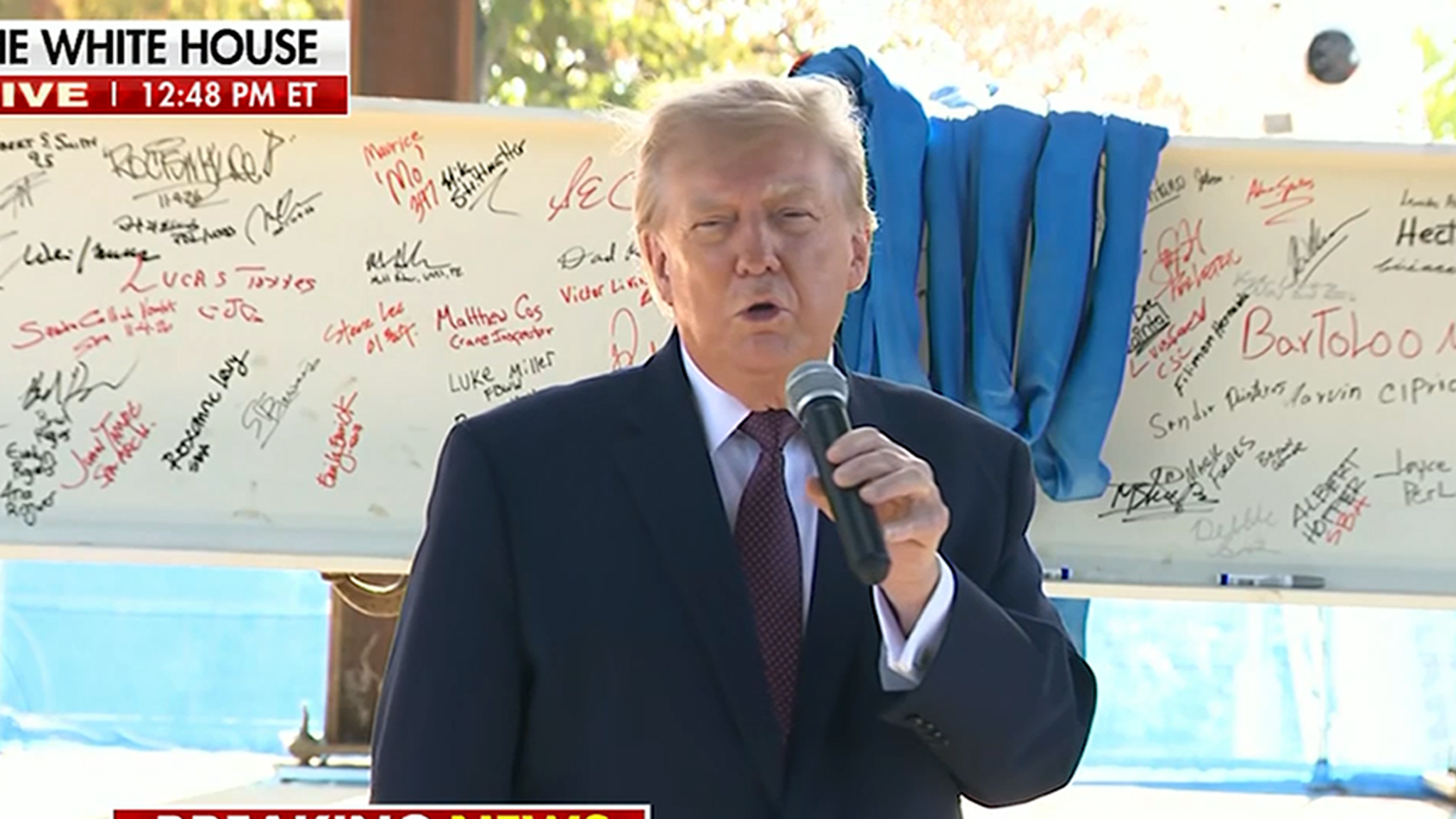
On Wednesday, November 4, 2026, former President Donald Trump made his first public appearance since the midterm elections, where the Republican Party suffered significant losses, ceding control of both the Senate and the House of Representatives to Democrats. During this appearance at his White House construction project, Trump largely avoided discussing the election results, instead focusing on planned renovations, including a 90,000-square-foot ballroom with 50-foot ceilings, a helipad, and the Reflecting Pool. He mentioned a past request from King Charles to accommodate 350 people at a State Dinner, which the White House's East Room could not handle, implying the new ballroom would address such limitations. Simultaneously, an operative Telegram feed revealed that Trump had approved of Senator JD Vance's lengthy post attributing the midterm losses to the Iran war, affordability concerns, and a shift in 2024 Trump/Vance voters towards Democrats in 2026. Trump reportedly told Vance, "I know how he feels...it was good."
The midterm results saw Democrats achieve a "historic blue wave," gaining control of both chambers of Congress. This outcome prompted immediate reactions from both sides of the political spectrum. Representative Marjorie Taylor Greene reportedly blamed Trump for the losses, labeling him a "cult leader." On the Democratic side, Senator Ed Markey of Massachusetts joked about the impending wave of investigations, stating Republicans "are going to need to plant new forests for all of the subpoenas we'll be printing." Trump's public statements contrasted sharply with the internal GOP analysis, as he doubled down on his claim that the GOP would have been victorious had he been on the ballot, despite having urged voters to cast ballots "as if he was on the ballot." His approval rating stood at 38.3% according to the Silver Bulletin.
What the Evidence Establishes
The evidence establishes a clear divergence between Donald Trump's public post-midterm messaging and his private reaction to internal Republican analysis. Publicly, on November 4, 2026, Trump deflected from the GOP's significant electoral defeat, which saw Democrats gain control of both the Senate and the House. His media appearance focused on the architectural details of a White House renovation, including a "most beautiful ballroom in the world" and the "faulty nature of limestone." This public stance minimized the political fallout, with Trump reiterating his belief that his presence on the ballot would have ensured a Republican victory, despite his prior calls for voters to act as if he were running.
In contrast, an operative Telegram feed on the same day, November 4, 2026, revealed Trump's approval of Senator JD Vance's detailed post-mortem of the midterm losses. Vance's analysis, which Trump described as "good," directly attributed the Republican defeat to specific policy issues: the ongoing Iran war, high cost of living/inflation, and a perceived failure to prioritize "America First" policies and adjust the relationship with Israel. Vance's pollster, who reportedly "nailed the results," indicated that many Trump/Vance 2024 voters shifted to Democrats in 2026 due to these concerns, rather than a lack of turnout. This suggests an internal acknowledgment within Trump's circle of the substantive policy failures contributing to the electoral setback, despite the public deflection.
Where the Accounts Conflict
The primary conflict in accounts centers on the reasons for the Republican midterm losses and Donald Trump's immediate response. Publicly, as reported by TMZ on November 4, 2026, Trump largely dismissed the devastating electoral outcome, which saw Democrats secure both the Senate and the House. His public statements focused on his White House construction projects, specifically a planned 90,000-square-foot ballroom, and he maintained that the GOP would have won if he had been on the ballot. This narrative suggests a personal blame avoidance and a focus on non-political matters.
However, an operative Telegram feed from the same date presents a conflicting account of Trump's private reaction. This source indicates Trump's approval of Senator JD Vance's extensive analysis, which directly attributed the losses to the Iran war, affordability issues, and a perceived abandonment of "America First" principles by some 2024 Trump voters. Vance's post explicitly states, "The reason we lost is the war. The president himself said so last night." This directly contradicts Trump's public deflection and suggests an internal acknowledgment of policy-related factors as the cause of the defeat. Furthermore, Marjorie Taylor Greene's direct accusation that Trump was a "cult leader" and responsible for the losses adds another layer of internal Republican conflict regarding accountability, which Trump's public statements do not address.
Context and Stakes
The context of the 2026 midterm elections is a significant "blue wave" that resulted in Democrats gaining control of both the Senate and the House, marking a major political defeat for the Republican Party. This shift in power has immediate and substantial stakes for the current administration and the broader political landscape. With Democrats controlling both chambers, the likelihood of legislative initiatives from the current administration passing significantly increases, while Republican-led efforts will face substantial opposition. The mention of voters being "concerned with the high cost of living" highlights a key issue that resonated with the electorate and likely contributed to the Democratic victories.
The stakes are particularly high for Donald Trump and the Republican Party as they look towards the 2028 presidential election. Trump's public deflection, focusing on architectural projects rather than the electoral defeat, could be interpreted as an attempt to maintain an image of strength and detachment from failure. However, his private endorsement of JD Vance's detailed analysis, which blames the Iran war and affordability, indicates an internal recognition of the need to address core voter concerns. The threat of "lawsuits and investigations" from newly empowered Democrats, as joked about by Senator Ed Markey, signals a period of intense scrutiny and potential legal challenges for the Trump administration, further raising the political temperature and potentially impacting future electoral prospects.
What to Watch Next
Observers should closely monitor the legislative agenda of the newly empowered Democratic Congress. Senator Ed Markey's comment about "subpoenas" suggests an immediate focus on oversight and investigations into the current administration. Specific areas of inquiry could include the administration's handling of the Iran war, economic policies related to the cost of living, and any other issues that Democrats campaigned on. The speed and scope of these investigations will indicate the Democratic strategy for leveraging their new majority.
Furthermore, attention will turn to Donald Trump's public messaging strategy. While he initially deflected from the midterm losses, his private approval of JD Vance's detailed critique suggests an awareness of the underlying issues. It remains to be seen if Trump will publicly incorporate elements of Vance's analysis, particularly regarding the Iran war and affordability, into his future statements, or if he will continue to emphasize his personal narrative and renovation projects. Any shift in his rhetoric could signal a recalibration of his political strategy ahead of 2028. The internal dynamics within the Republican Party, particularly between factions represented by Trump and figures like Marjorie Taylor Greene, will also be critical to watch as they grapple with the electoral defeat and chart a path forward.
Bottom Line
The 2026 midterm elections delivered a decisive victory for Democrats, granting them control of both the Senate and the House, a result that fundamentally alters the legislative and oversight landscape for the remainder of the current administration. Donald Trump's immediate public response was characterized by a notable deflection from the electoral losses, instead highlighting his White House renovation plans, including a 90,000-square-foot ballroom. This public posture contrasted sharply with his private endorsement of Senator JD Vance's analysis, which attributed the Republican defeat to substantive policy issues such as the Iran war and the high cost of living, indicating a strategic awareness of voter concerns despite public rhetoric.
The implications are significant: a Democratic-controlled Congress is poised to initiate numerous investigations and potentially pursue a legislative agenda focused on issues like affordability. For the Republican Party, the losses have already sparked internal blame, with figures like Marjorie Taylor Greene directly criticizing Trump. The divergence in Trump's public and private reactions underscores a complex political strategy as the party navigates a major defeat and looks towards the 2028 presidential cycle. The coming months will reveal whether Trump's public narrative will align more closely with the internal assessments of the party's electoral vulnerabilities.
DECLASSIFIED SOURCE: TMZ