Trump Donor Sues Kimberly Guilfoyle for Defamation, Citing Alleged Texts and Recordings
By TMZEric Deters, a Trump donor, filed a defamation lawsuit against Kimberly Guilfoyle, alleging she falsely denied texts and called him a "blackmailer."
What Happened
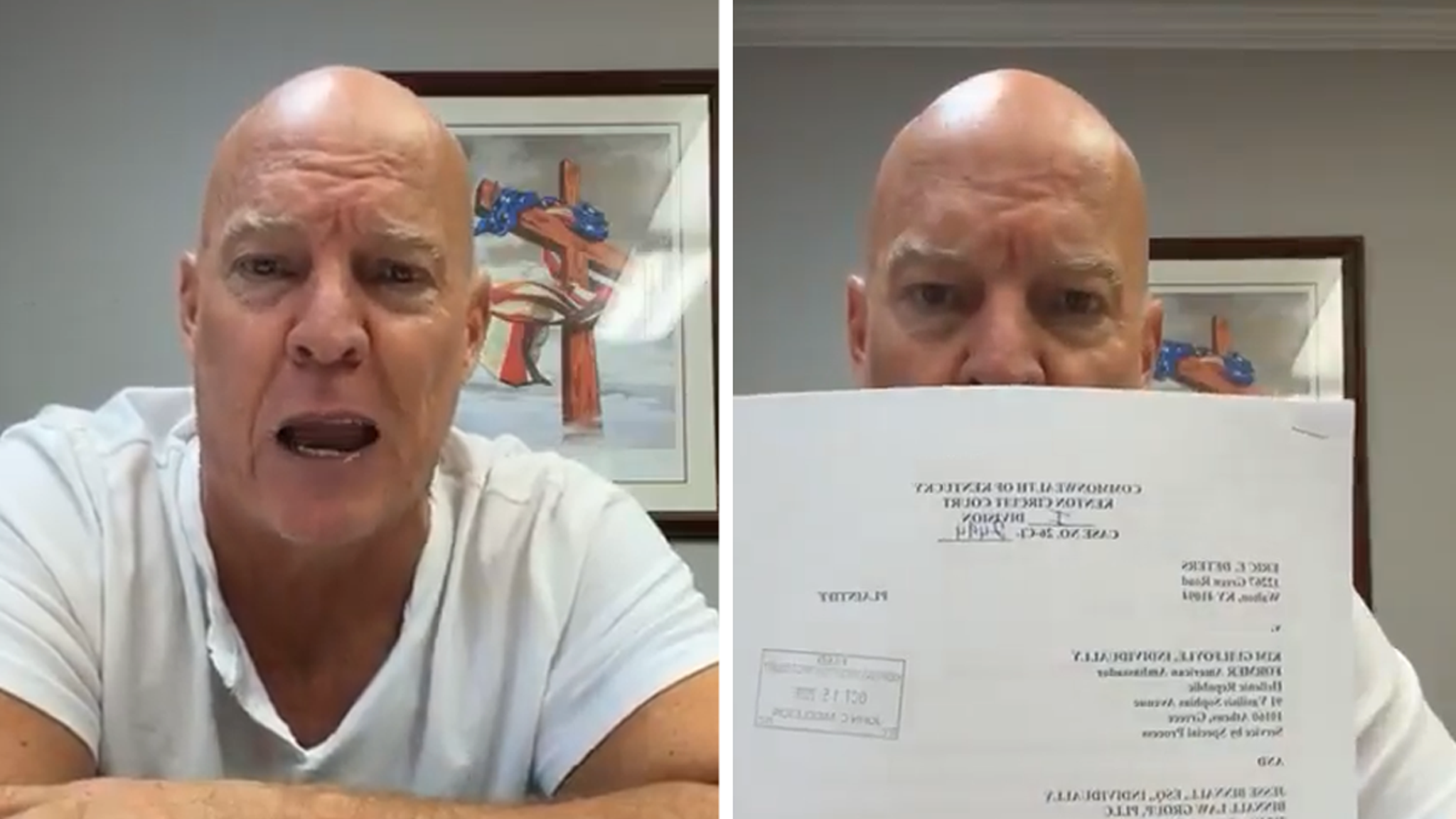
On Thursday, October 15, 2026, Eric Deters, a prominent donor to President Trump and former Kentucky congressional candidate, filed a defamation lawsuit against Kimberly Guilfoyle, the former U.S. Ambassador to Greece. Deters announced the legal action in a video released on Thursday, stating his intention to play a recording of a phone call on Friday that he claims could significantly impact the Trump administration and the 2028 presidential aspirations of figures like JD Vance and Marco Rubio. The lawsuit specifically targets Guilfoyle's alleged claims that text messages, previously reported in a Wall Street Journal story last week, were fake. These texts purportedly showed Guilfoyle soliciting $100,000 from Deters to settle an American Express debt. Deters is also suing over accusations that Guilfoyle's team referred to him as a "known blackmailer." He seeks a public apology, an admission from Guilfoyle that the alleged texts she released are fake, and $1 million in damages.
The legal filing, a copy of which was reportedly obtained by TMZ, includes recent emails Deters claims to have sent to Guilfoyle, Donald Trump Jr., and other individuals. This lawsuit follows Guilfoyle's resignation from her ambassadorial post after Deters initially alleged she offered access to Trump officials in exchange for him covering her substantial credit card bill. President Trump himself expressed considerable displeasure over the alleged messages, stating that "he and others in his administration didn't like what they were reading." The unfolding legal battle is poised to bring further scrutiny to the interactions between political donors and high-profile administration figures.
What the Evidence Establishes
Evidence establishes that Eric Deters has formally initiated a defamation lawsuit against Kimberly Guilfoyle and her defense attorneys, Jesse Binnal and David M., as reported by The Hill and TMZ on October 15, 2026. The core of Deters' claim is that Guilfoyle defamed him by asserting that text message exchanges between them were fabricated. These alleged text messages, which were the subject of a Wall Street Journal story last week, reportedly depicted Guilfoyle requesting $100,000 from Deters to pay off her American Express bill. Furthermore, Deters' lawsuit includes a claim that Guilfoyle's team publicly labeled him a "known blackmailer," an accusation he contends is defamatory.
It is also established that Kimberly Guilfoyle resigned from her position as the U.S. Ambassador to Greece following Deters' initial allegations that she sought financial assistance in exchange for access to Trump administration officials. President Trump's reaction to the alleged messages was one of "fury," with the President reportedly stating that he and his administration found the content of the messages objectionable. Deters has publicly announced his possession of a phone call recording, which he intends to release on Friday, October 16, 2026, claiming it will provide further evidence relevant to his case and potentially impact the political landscape. The existence of the lawsuit itself, along with Deters' public statements and Guilfoyle's prior resignation, are corroborated facts.
Where the Accounts Conflict
The central conflict in this case revolves around the authenticity of text messages and the characterization of Eric Deters. Deters explicitly claims that Kimberly Guilfoyle defamed him by asserting that the text exchanges between them were "fake." These texts, which were reportedly published in the Wall Street Journal, allegedly show Guilfoyle requesting $100,000 from Deters to cover her personal debts. Guilfoyle's position, as inferred from Deters' lawsuit, is that these messages are not genuine, thereby directly contradicting Deters' assertion of their veracity and his claim of defamation.
A second significant point of contention is the accusation leveled against Deters by Guilfoyle's team. Deters' lawsuit states that he is also suing because Guilfoyle's team referred to him as a "known blackmailer." This constitutes a direct conflict regarding Deters' reputation and actions. Deters' legal action implicitly denies this characterization, while Guilfoyle's team, by making such a statement, suggests a different interpretation of Deters' motives or past behavior. The upcoming release of a phone call recording by Deters on Friday is presented as an attempt to provide additional evidence to support his narrative and challenge Guilfoyle's counter-claims regarding the texts and his character.
Context and Stakes
This defamation lawsuit unfolds against a backdrop of heightened political scrutiny surrounding the Trump administration and its associates, particularly as the 2028 presidential election cycle begins to take shape. Kimberly Guilfoyle, a prominent figure in Republican circles and a former ambassador, has close ties to the Trump family, notably through her relationship with Donald Trump Jr. The allegations of soliciting funds for personal debts in exchange for political access, which led to her resignation as Ambassador to Greece, already cast a shadow on her public image and the administration's ethical standards.
The stakes extend beyond the immediate parties. Eric Deters has explicitly stated that the information he plans to reveal could "seriously damage the president's administration" and "sink JD Vance and Marco Rubio's chances of winning the 2028 presidential election." This suggests that the lawsuit's revelations could implicate other high-profile political figures or expose broader patterns of conduct within Trump's political orbit. For the Trump administration, any new scandal, particularly one involving financial impropriety and alleged blackmail, could divert attention, create negative headlines, and potentially impact public perception as the next election cycle approaches. The outcome of this legal battle, and the information it unearths, could therefore have significant political ramifications for several key players in the Republican party.
What to Watch Next
The immediate focus will be on Friday, October 16, 2026, when Eric Deters has publicly committed to releasing a recording of a phone call. Deters claims this recording will provide crucial evidence supporting his defamation lawsuit and could have far-reaching political consequences. The content of this recording, and how it is received by the public and legal experts, will be a critical development. Following this, attention will shift to Kimberly Guilfoyle's legal team and her public relations strategy. It is anticipated that Guilfoyle or her representatives will issue a formal response to Deters' claims and the impending recording, potentially challenging its authenticity or context.
Beyond the immediate release, observers will monitor the progression of the defamation lawsuit through the courts. This includes any motions filed by either side, discovery proceedings, and potential public statements from the involved parties or their legal counsel. The inclusion of Guilfoyle's attorneys, Jesse Binnal and David M., as defendants in the lawsuit also warrants attention, as their involvement could broaden the scope of the legal proceedings. Furthermore, the political implications for JD Vance and Marco Rubio, as explicitly mentioned by Deters, will be closely watched, particularly if the released information directly links them or their campaigns to the alleged misconduct or its fallout. Any official statements from the Trump administration regarding the new developments will also be significant.
Bottom Line
Eric Deters, a Trump donor, has filed a defamation lawsuit against Kimberly Guilfoyle, alleging she falsely denied text messages and that her team labeled him a "known blackmailer." This legal action stems from earlier claims by Deters that Guilfoyle, then U.S. Ambassador to Greece, sought $100,000 from him to pay an American Express bill in exchange for access to Trump officials, leading to her resignation. Deters plans to release a phone call recording on Friday, October 16, 2026, which he asserts will further substantiate his claims and potentially impact the Trump administration and the 2028 presidential ambitions of JD Vance and Marco Rubio.
The lawsuit highlights ongoing tensions and alleged improprieties within political donor networks and high-level political appointments. The core conflict centers on the authenticity of the alleged text messages and the veracity of the "blackmailer" accusation. The immediate future will see the public release of Deters' recording, followed by anticipated responses from Guilfoyle and her legal team. The broader implications for the Republican party and potential 2028 presidential candidates remain a significant aspect of this developing story, underscoring the reputational and political risks associated with such public legal battles.
DECLASSIFIED SOURCE: TMZ (via Real-time Signal Upgrade)