Trump Administration Pushes Citizenship Lists Amid Judicial Block on Birthright Order
By NPR NewsThe Trump administration aims to compile state voter‑eligibility lists before the 2026 midterms while a federal judge blocks its latest executive order seeking to end birthright citizenship, prompting a promised Supreme Court appeal.
What Happened
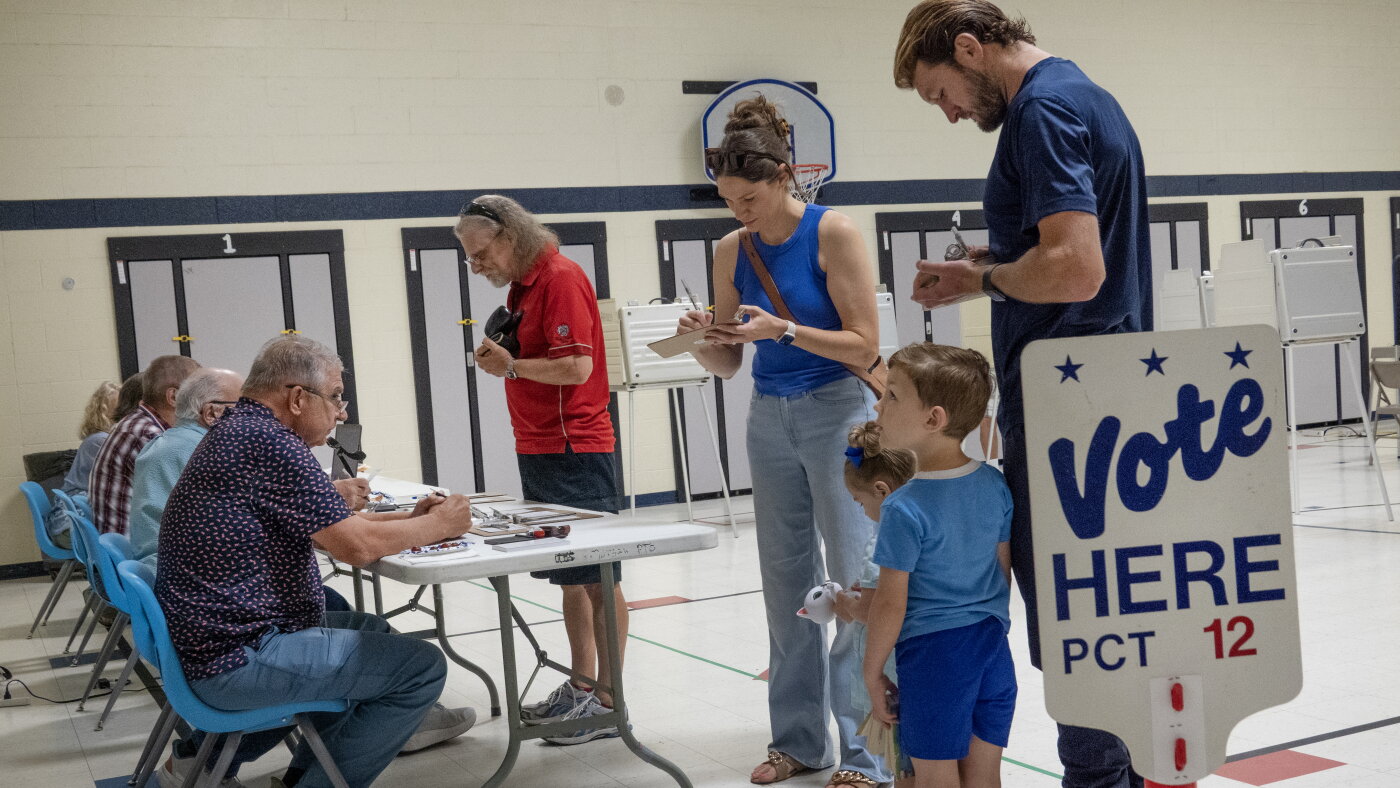
On September 3‑4, 2026, NPR reported that the Trump administration is proceeding with an unprecedented effort to create lists of adult citizens eligible to vote in each state, aiming to have the lists ready before the 2026 midterm elections. The same report noted that the administration acknowledged it will not meet its own self‑imposed deadline of completing the lists 60 days prior to Election Day.
Separately, the Daily Caller reported on September 3 that U.S. District Judge Deborah Boardman, a Biden‑appointed judge, issued a preliminary injunction blocking President Trump’s August 6, 2026 executive order that sought to end birthright citizenship for children of undocumented immigrants, foreign workers, surrogates, and those born during diplomatic visits. Judge Boardman cited the Supreme Court’s late June 2026 6‑3 ruling that affirmed birthright citizenship as settled law.
What the Evidence Establishes
The NPR article directly quotes the administration’s goal: "The Trump administration is taking the unprecedented step of creating lists of adult citizens who are eligible to vote in each state – but will not meet its own deadline 60 days before Election Day." This establishes that the plan exists and that the timeline is already in jeopardy.
The Daily Caller provides a direct quote from Judge Boardman’s ruling: "The Supreme Court has spoken: Children in the certified class are ‘citizens at birth,’" and adds that she called Trump’s second attempt "unprecedented." The article also quotes Attorney General Todd Blanche telling Fox News: "If we have to go back to the Supreme Court, WE WILL!" and DHS Secretary Markwayne Mullin describing birthright citizenship as "a cash cow for illegal activity" due to birth tourism.
Where the Accounts Conflict
The administration frames its actions as protecting American citizens and aligning with the Constitution’s framers’ view on citizenship, a claim voiced by AG Blanche and Secretary Mullin. In contrast, Judge Boardman’s injunction and the underlying Supreme Court precedent assert that birthright citizenship is a constitutional right that cannot be altered by executive order.
While Mullin argues that birthright citizenship enables fraud and illegal activity, the judge’s ruling emphasizes that the Citizenship Clause of the Fourteenth Amendment guarantees citizenship to all persons born in the United States, regardless of parents’ immigration status. This creates a direct conflict between the executive branch’s policy objectives and the judicial interpretation of constitutional law.
Context and Stakes
Historically, the Citizenship Clause of the Fourteenth Amendment, ratified in 1868, has been interpreted by the Supreme Court in United States v. Wong Kim Ark (1898) to guarantee birthright citizenship. The Trump administration’s 2020‑2026 efforts to end this principle represent a renewed challenge to that precedent.
The stakes involve the potential alteration of voter rolls ahead of the 2026 midterms, the legal status of millions of children born to non‑citizen parents, and the likelihood of a Supreme Court showdown that could redefine immigration‑related civil rights. A successful administrative list could influence voter‑identification laws, while a prolonged legal battle may energize immigrant‑rights advocates and opposition voters.
What to Watch Next
Watch for the Department of Justice to file a notice of appeal against Judge Boardman’s injunction, likely within the next 48 hours, as the administration has signaled willingness to return to the Supreme Court. Monitor congressional activity: several Republicans have indicated they will pursue legislative avenues to end birthright citizenship, with potential bill introductions in the coming weeks.
Observe whether the administration revises its timeline for the state citizenship lists, possibly issuing new guidance after missing the September 4 deadline. Also track public statements from immigrant advocacy groups and state election officials regarding the impact of any forthcoming citizenship‑verification measures on voter registration drives.
Bottom Line
The Trump administration is advancing dual strategies: building state‑level voter‑eligibility lists while simultaneously attempting to curtail birthright citizenship via executive order and potential legislation. Federal courts have so far blocked the executive order, citing clear Supreme Court precedent, but the administration promises further legal challenges.
Given the entrenched judicial protection of birthright citizenship and the proximity of the 2026 midterm elections, the most immediate outcome is likely a protracted legal battle that could shape campaign narratives and voter mobilization efforts, though the administration’s list‑building effort may proceed on a delayed timeline.
DECLASSIFIED SOURCE: NPR News (via Real-time Signal Upgrade)