Israeli Airstrikes Target Paramedics in Southern Lebanon Amid Escalating Conflict
By NPR NewsIsraeli airstrikes hit Nabatieh, southern Lebanon, targeting an ambulance team. This occurred as the Israel-Hezbollah war, ongoing since March 2, escalates.
What Happened
On September 19, 2026, Israeli air forces executed a series of strikes against targets in southern Lebanon. Specifically, two consecutive airstrikes impacted the city of Nabatieh. Following these initial attacks, a third strike was reported to have directly targeted an ambulance team that was actively responding to the aftermath of the preceding bombardments. This incident occurred within the context of an ongoing conflict between Israel and the Iran-backed militant group Hezbollah, which commenced on March 2, 2026. Since that date, the conflict has resulted in a significant number of casualties, with at least 4,386 individuals killed and 12,400 injured across the region. The targeting of medical personnel and infrastructure is a critical development in the protracted hostilities.
What the Evidence Establishes
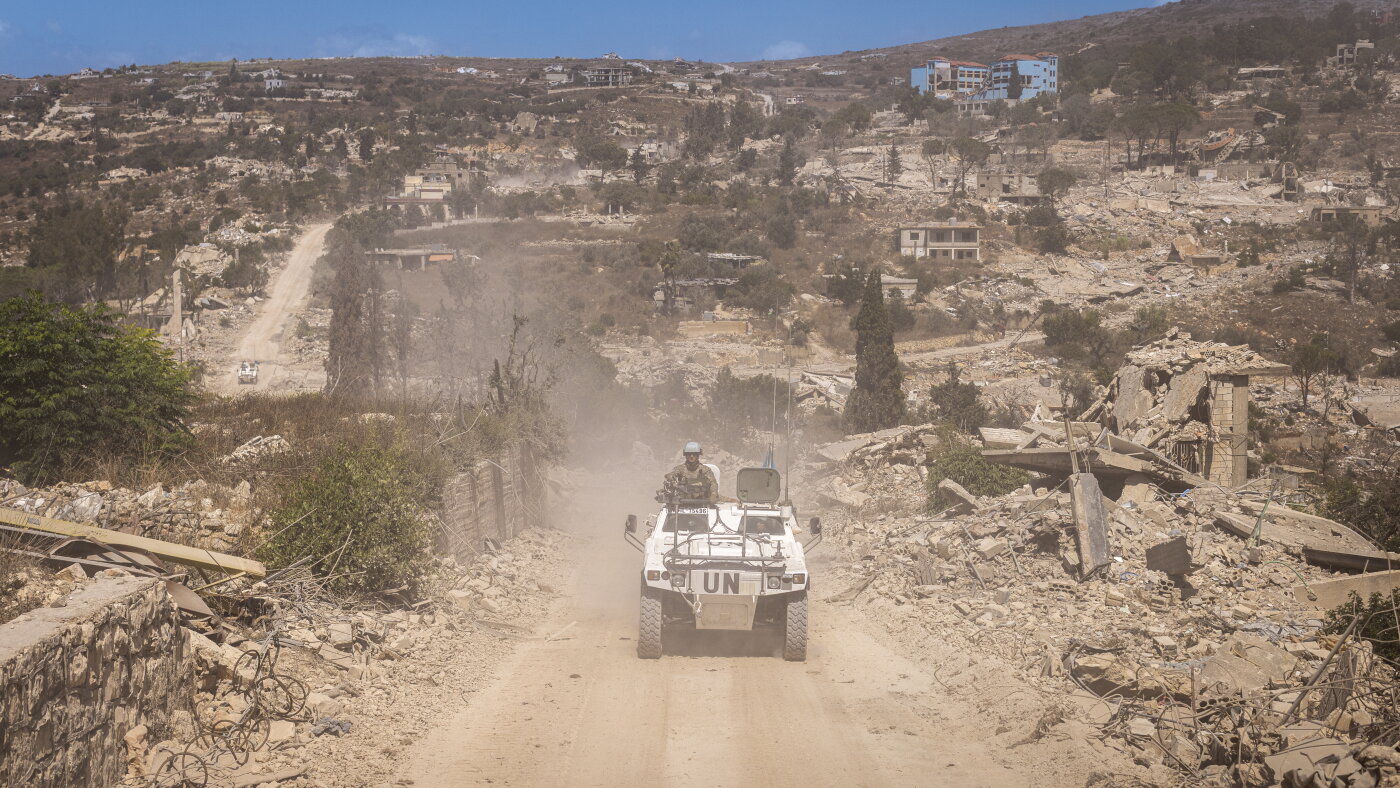
Evidence from multiple sources establishes that Israeli forces conducted at least three distinct airstrikes in southern Lebanon on September 19, 2026. Two of these strikes directly impacted the city of Nabatieh. Crucially, a third strike specifically targeted an ambulance team, indicating a direct engagement with medical responders. This action is documented by Al Jazeera, which reported the sequence of events. The broader conflict between Israel and Hezbollah has been active since March 2, 2026, leading to a confirmed casualty count of 4,386 fatalities and 12,400 injuries. The United Nations Interim Force in Lebanon (UNIFIL) has had an expanded mandate for two decades, tasked with monitoring adherence to a ceasefire between Israel and Hezbollah, a group formed in 1982 to counter Israeli incursions. This mandate underscores the long-standing nature of the regional tensions.
Where the Accounts Conflict
While the provided accounts do not present direct factual contradictions regarding the Israeli airstrikes, they exhibit differing narrative emphases. Al Jazeera's reporting focuses acutely on the immediate, violent events of September 19, 2026, detailing the back-to-back strikes in Nabatieh and the subsequent targeting of an ambulance team, along with specific casualty figures for the ongoing conflict. This approach prioritizes the human impact and direct military actions. In contrast, NPR's coverage, while acknowledging the broader context of 'new lines of southern Lebanon,' primarily highlights the historical role and expanded mandate of the United Nations Interim Force in Lebanon (UNIFIL) over the past two decades. NPR's focus is on the institutional framework and the long-term monitoring efforts, rather than the granular details of the recent escalation. Neither source disputes the occurrence of the strikes or the existence of the UNIFIL mandate, but their selection of focal points shapes distinct understandings of the situation.
Context and Stakes
The recent Israeli airstrikes in Nabatieh, particularly the targeting of an ambulance team, occur within a deeply entrenched and volatile geopolitical landscape. Hezbollah, a militant group established in 1982 with significant backing from Iran, has been a primary non-state actor in southern Lebanon, frequently engaging in hostilities with Israel. The United Nations Interim Force in Lebanon (UNIFIL) was deployed to the region, and its mandate was expanded 20 years ago to monitor a ceasefire between these parties. This mandate highlights the international community's long-standing efforts to stabilize a perpetually tense border. The current 'Israel-Hezbollah war,' which began on March 2, 2026, represents a significant escalation, evidenced by the thousands of casualties. Targeting medical personnel, as reported, carries substantial implications under international humanitarian law, which typically grants protected status to medical workers and facilities. Such actions risk further international condemnation and could provoke a more severe response from Hezbollah, potentially widening the conflict beyond its current parameters and destabilizing the broader Middle East.
What to Watch Next
Observers should closely monitor the official statements and actions from the United Nations Interim Force in Lebanon (UNIFIL) in the immediate aftermath of the reported targeting of an ambulance team. Given UNIFIL's mandate to monitor ceasefire adherence and its presence in the region, any formal condemnation or specific investigative steps would signal the international community's perception of this incident. Historically, UNIFIL has issued statements following violations, but direct intervention is rare. Additionally, attention will be on Hezbollah's response. The group's past actions suggest a calibrated retaliation, but the direct targeting of medical personnel could be perceived as a significant escalation requiring a more forceful countermeasure. The frequency and intensity of cross-border fire in the coming days will be a key indicator. Furthermore, international bodies, including the International Committee of the Red Cross (ICRC), may issue statements regarding the protection of medical workers in conflict zones, potentially increasing diplomatic pressure on all parties involved. Any shift in rhetoric from Iran, Hezbollah's primary backer, would also be a critical development to watch.
Bottom Line
The Israeli airstrikes in Nabatieh, southern Lebanon, on September 19, 2026, including the reported targeting of an ambulance team, mark a significant and concerning escalation in the ongoing conflict with Hezbollah. This incident adds to a casualty toll that has already reached thousands since March 2, 2026. The direct engagement with medical responders raises serious questions about adherence to international humanitarian law and could prompt further international scrutiny and condemnation. The long-standing presence of UNIFIL, with its mandate to monitor the ceasefire, underscores the persistent instability in the region. The immediate future will likely see heightened tensions and potential retaliatory actions, with the risk of further destabilization across the Israel-Lebanon border. The international community's response and the actions of key regional actors will be crucial in determining the trajectory of this escalating conflict.
DECLASSIFIED SOURCE: NPR News (via Real-time Signal Upgrade)