The Fight for Voter ID: Rep. Luna's Gamble on the SAVE America Act
By Operative Telegram FeedRep. Anna Paulina Luna's push to attach the SAVE America Act to the National Defense Authorization Act demonstrates the urgency and contention surrounding voter ID laws as the midterms approach, despite broad public support.
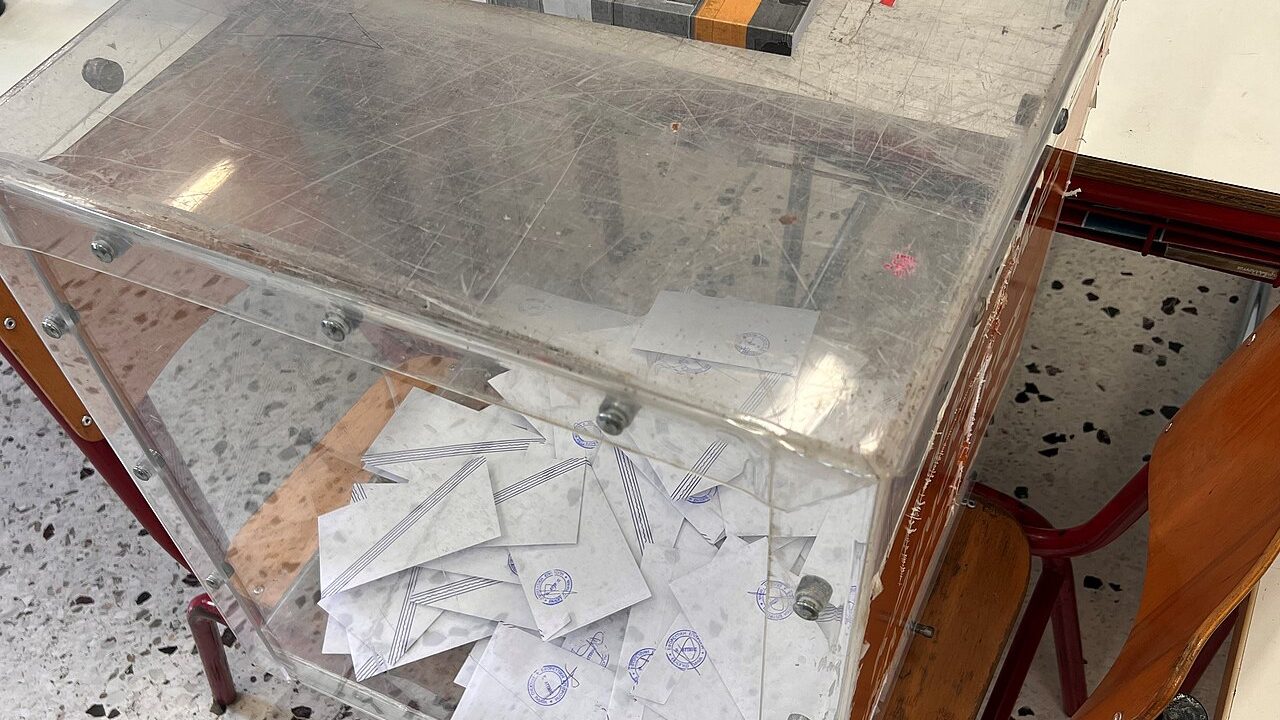
As the midterms approach, a high-stakes battle is brewing over voter ID laws, with Rep. Anna Paulina Luna stepping into the fray by linking the SAVE America Act to the National Defense Authorization Act. This move not only highlights the urgent nature of the legislation but also exposes the underlying power dynamics that govern electoral policy in the United States.
The SAVE America Act, focused on enforcing voter identification and proof of citizenship, boasts the support of over 80% of Americans, according to recent polling. However, the reality of political expediency often obscures public consensus. By pushing for this legislation as part of vital military funding, Luna aims to streamline its passage through a Congress that has shown reluctance to address the issue head-on.
The Setup
It’s no secret that voter ID laws evoke sharply divided opinions among the political parties. While proponents argue they are crucial for ensuring election integrity, critics often label them as strategies to disenfranchise certain voter demographics. This argument is not without merit; historical patterns reveal that such laws disproportionately affect minority communities.
The urgency is heightened as the midterms draw near. By incorporating the SAVE America Act into must-pass legislation like the National Defense Authorization Act, Luna is applying immense political pressure on her colleagues. Failing to support it may lead to accusations of undermining electoral security, despite the potential political fallout associated with voter ID requirements.
Political Maneuvering
Luna’s tactics reflect a broader strategy often employed by legislators looking to leverage essential government funding to pass controversial measures. In an environment where bipartisan cooperation has become increasingly rare, strategically embedding the SAVE Act into the NDAA may be one of the few paths left for its approval.
This maneuver is not without its risks, though. Questions of constitutionality, potential challenges in court, and backlash from civil rights organizations loom over the proposed legislation. Additionally, as the midterms approach, scrutiny of Luna’s affiliations and motives intensifies. Is this a genuine push for security, or merely a calculated political gambit?
The Stakes
The ramifications of successfully implementing voter ID laws could ripple through upcoming elections. Proponents argue that stronger identification requirements would enhance trust in electoral outcomes, while opponents warn of the discriminatory implications. The last-minute nature of this push could lead to rapid political shifts, particularly if perceived as partisan exploitation of national security funding.
Ultimately, the SAVE America Act's inclusion in the NDAA poses the potential for significant political fallout. Legacy media narratives tend to frame this debate narrowly, ignoring deeper implications. Stripping away the establishment spin reveals a dangerous intersection of national security and electoral integrity. This isn’t just a legislative maneuver; it’s a reflection of how political power can be wielded to shape the electorate.
The Bottom Line
The urgency of Rep. Luna's actions underscores a pivotal moment in U.S. electoral politics. The impending midterm elections heighten the stakes, revealing not only public sentiment but also the intricate dance of political strategy that shapes legislation around voter ID laws.
Original Source: new.
This report includes aggregated reporting, adversarial verification, and explicit analysis.
DECLASSIFIED SOURCE: Operative Telegram Feed