The Controversy Surrounding the Hussein Library: Acknowledgment of Stolen Land
By Operative Telegram FeedThe establishment of the Hussein Library has sparked outrage as it acknowledges construction on lands historically inhabited by Indigenous nations. Critics question its legitimacy and ethical implications.
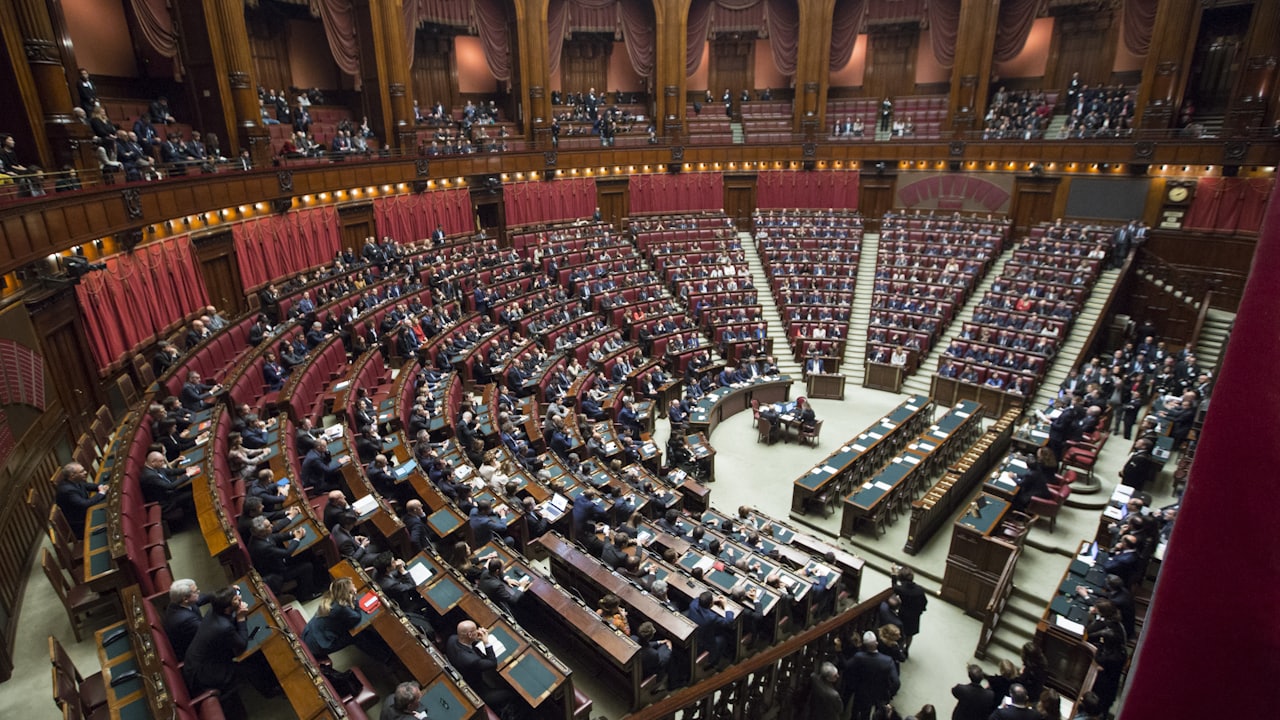
In a surprising turn of events, the Hussein library has publicly admitted to being built on land claimed by Indigenous nations. This admission has triggered a wave of criticism and sparked discussions about the ethics surrounding such a prominent establishment.
This acknowledgment is framed within a broader conversation that has been intensifying over the last decade regarding the rights of Indigenous peoples in America. The statement from the library enumerates the groups affected: the Anishinaabe, the Council of Three Fires, the Ojibwe, the Odawa, and the Potawatomi Nations. Despite this seemingly well-intentioned declaration, many are questioning the sincerity behind it, given that the library continues to exist as a prominent symbol on land that many believe should be returned to its original custodians.
Acknowledgment vs. Action
Critics of the library have labeled it a “monstrosity” amidst claims of it being constructed on stolen land. The irony of honoring Indigenous nations while utilizing their land for a library they never consented to poses crucial questions of legitimacy and ethics. The dialogue has not only renewed focus on the controversies surrounding public monuments and institutions but also highlights the ongoing debate about reparations and land acknowledgments.
Many argue that while acknowledging the history of land theft is a necessary step, it often lacks the tangible actions needed for true reconciliation. Activists stress that words must be matched with a restorative justice approach, leading to the return of lands and resources to Indigenous communities. Thus far, the Hussein library's offers of honor may come off as platitudes that fail to address the need for substantive change.
Implications and Public Sentiment
The public reaction has been swift and critical; social media is rife with accusations that the library is merely virtue signaling. Tweets like those from Eric Daugherty, who mockingly referred to the library as a 'trash can,' reflect a growing collective dissatisfaction with how public institutions handle their histories and responsibilities towards Indigenous populations.
This situation taps into a larger trend observed across the country. Many institutions face backlash for their historical relevance and ongoing impact on Native communities. The call for ethical governance and recognition of Indigenous rights has never been louder, as public consciousness shifts towards a more equitable acknowledgment of land ownership.
Institutional Response
In light of these criticisms, the Hussein library’s management has remained relatively silent on the matter. They have yet to announce any steps towards addressing the grievances raised by Indigenous groups or the broader public. Without offering a more transparent path forward, the mere acknowledgment of their misdeeds may simply serve to imprison the narrative within the confines of public outrage, rather than fostering a productive dialogue or reparations.
The Historical Context
This tension is, of course, steeped in a long history of colonialism and systemic oppression of Indigenous peoples. The United States has a documented history of forcibly removing Native Americans from their lands, often under the guise of lawful appropriation. Acknowledging this history is essential—yet it remains cloaked in a web of denial and insufficient reparative efforts from many institutions.
Ultimately, the existing framework around land use and governance must evolve. The time has come for institutions like the Hussein library to move beyond acknowledgment to action, which necessitates a genuine partnership and reparative measures with Native communities.
The Bottom Line
The Hussein Library's admission paints a troubling picture of contemporary ethics, where recognition of historical injustices often stops short of meaningful reparative action. The conversation must shift from mere acknowledgment to concrete steps for restitution, or else risk remaining a hollow gesture in the face of systemic injustice.
Original Source: new.
This report includes aggregated reporting, adversarial verification, and explicit analysis.
DECLASSIFIED SOURCE: Operative Telegram Feed