Tennessee Halts Executions After Christa Gail Pike Survives Lethal Injection Attempt
By NPR NewsOn September 30, 2026, Tennessee officials administered two lethal‑injection doses to Christa Gail Pike; she remained alive after 40 minutes, prompting Governor Bill Lee to halt the state’s remaining executions for the year.
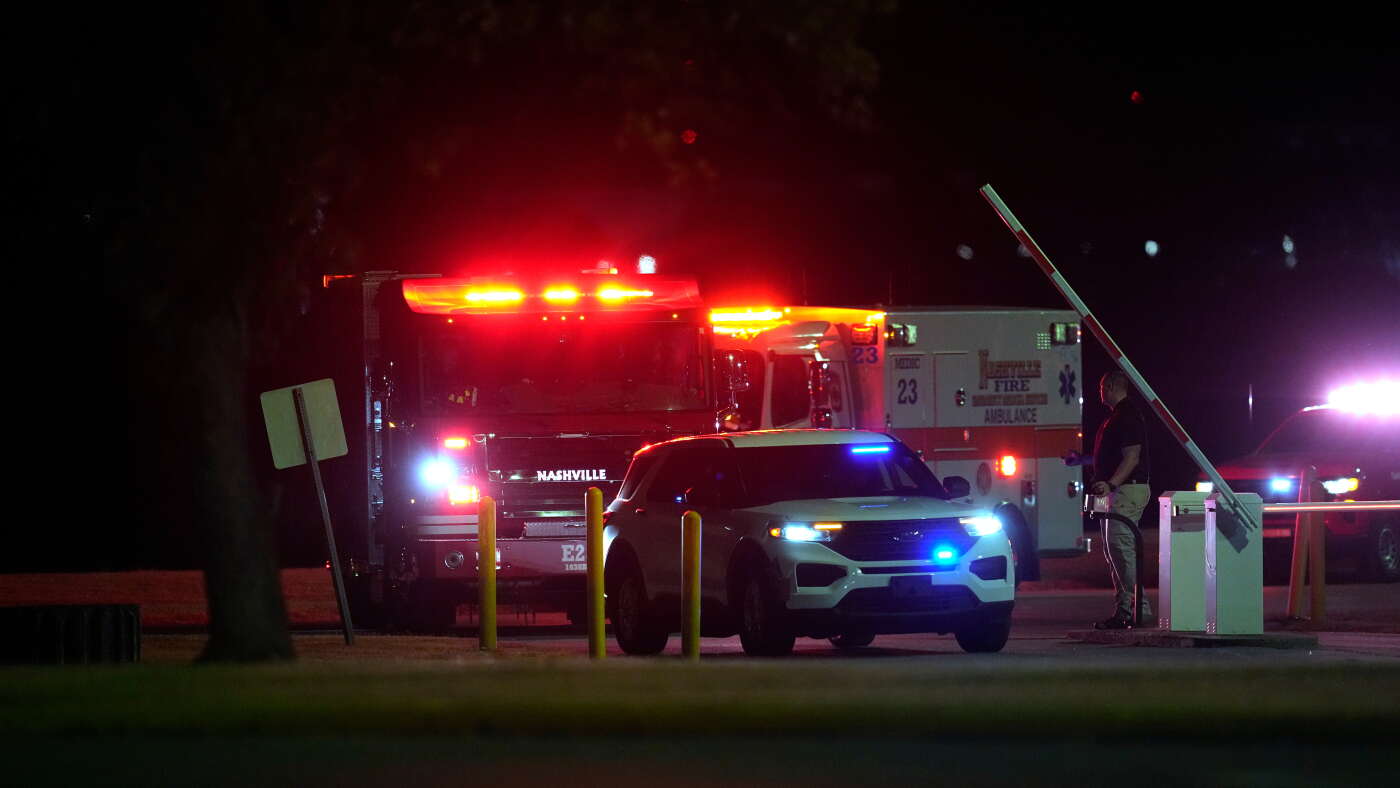
What Happened
On Wednesday, September 30, 2026, Tennessee officials administered two doses of lethal injection to Christa Gail Pike, but she remained alive and snoring after 40 minutes, prompting Governor Bill Lee to halt the remaining executions for the year.
Witnesses told TMZ that executioners had injected both syringes of lethal injection chemicals and that Pike was still alive and snoring around 8:26 p.m. local time. Her lawyers said in a federal court filing, according to NBC News, that Pike “has not lost consciousness and still has a heartbeat,” and that the curtains to the death chamber “have gone down twice.”
Earlier that evening, the Sixth Circuit Court of Appeals had temporarily blocked the lethal injection just hours before it was scheduled, but the U.S. Supreme Court later lifted the stay, allowing Tennessee officials to proceed with the attempt.
Pike was convicted in 1995 of the murder of 19‑year‑old Colleen Slemmer, a fellow Job Corps student in Knoxville, and was 18 years old at the time of the crime.
What the Evidence Establishes
The evidence confirms that two separate syringes of lethal injection drugs were administered to Christa Gail Pike during the execution attempt on September 30, 2026.
Multiple independent witnesses, including prison staff and outside observers, reported that Pike did not lose consciousness and continued to exhibit vital signs such as a heartbeat and snoring for at least 40 minutes after the injections.
Governor Bill Lee’s executive order halting the remaining executions for 2026 was issued immediately after the failed attempt, citing the inability to carry out a lawful execution.
The U.S. Supreme Court voted 6‑3 to overturn a last‑minute stay from the Sixth Circuit Court of Appeals, thereby permitting the state to proceed with the execution attempt; Justices Ketanji Brown Jackson, Sonia Sotomayor, and Elena Kagan dissented.
Pike’s conviction stems from the 1995 killing of Colleen Slemmer, for which she was sentenced to death after a trial in Knoxville County.
Where the Accounts Conflict
While TMZ and the lawyers’ filing describe Pike as “still alive and snoring” with a detectable heartbeat, the Al Jazeera video report characterizes the event as a “botched lethal injection” without detailing her physiological state.
The Telegram post from Eric Daugherty uses celebratory language such as “GOOD RIDDANCE” and frames the outcome as deserved justice, contrasting with the neutral tone of NPR and Al Jazeera reporting.
Discrepancies also appear regarding the timing of the curtains: the lawyers’ filing states the death‑chamber curtains “have gone down twice,” whereas the video footage referenced by Al Jazeera does not show this detail.
Some sources imply that the lethal drugs were ineffective due to dosage issues, while others suggest possible procedural errors in intravenous line placement, but the source material does not specify which factor caused the failure.
While the lawyers assert she remained conscious, the state has not released an official medical assessment confirming her level of awareness.
Context and Stakes
Christa Gail Pike’s case is one of the longest‑standing death‑penalty matters in Tennessee, originating from a 1995 murder committed when she was 18 years old.
Her legal team has repeatedly argued that jurors were not presented with evidence of her childhood sexual abuse, trauma, and mental‑health history, a claim that has garnered attention from advocacy groups opposed to capital punishment.
Nationally, lethal injection protocols have faced scrutiny after several highly publicized failures in states such as Oklahoma, Arizona, and Ohio, prompting calls for alternative methods or moratoriums.
The stakes involve not only the immediate fate of Pike but also the broader legitimacy of Tennessee’s death‑penalty administration, potential legislative reviews, and the likelihood of further federal judicial intervention.
Observers note that the outcome could influence voter attitudes toward criminal‑justice reform in the 2026 midterm elections.
What to Watch Next
Legal observers expect Pike’s attorneys to file a federal habeas corpus petition challenging the constitutionality of the lethal‑injection protocol used in Tennessee, potentially triggering a stay of any future execution dates.
The Tennessee General Assembly may convene a special committee to examine the state’s execution procedures, with hearings possibly scheduled within the next 30 days.
Governor Bill Lee has indicated he will review the incident internally; a public report detailing the findings could be released within two weeks.
If the failed attempt leads to a de facto moratorium, Tennessee could join a growing list of states that have suspended executions pending protocol revisions, affecting the national death‑penalty landscape.
The U.S. Supreme Court may revisit the issue of lethal‑injection cruelty in the context of this case during its next term.
Bottom Line
The failed execution of Christa Gail Pike underscores persistent vulnerabilities in lethal‑injection methods and raises immediate questions about Tennessee’s capacity to carry out capital punishment lawfully.
Governor Bill Lee’s halt of further executions for 2026 provides a temporary reprieve, but the underlying legal and medical disputes remain unresolved.
Continued litigation, possible legislative action, and heightened public scrutiny are likely to shape the trajectory of death‑penalty policy in the state over the coming months.
Ultimately, the incident may serve as a catalyst for broader reform efforts or, conversely, reinforce support for retaining the death penalty, depending on how political and judicial actors respond.
DECLASSIFIED SOURCE: NPR News (via Real-time Signal Upgrade)