Spanish Right-Wing Coalition Secures Parliamentary Majority, Ending Socialist Era
By Operative Telegram FeedSpain's right-wing People's Party and Vox secured 186 seats, exceeding the 176 needed for a majority, ending Pedro Sánchez's eight-year Socialist rule.
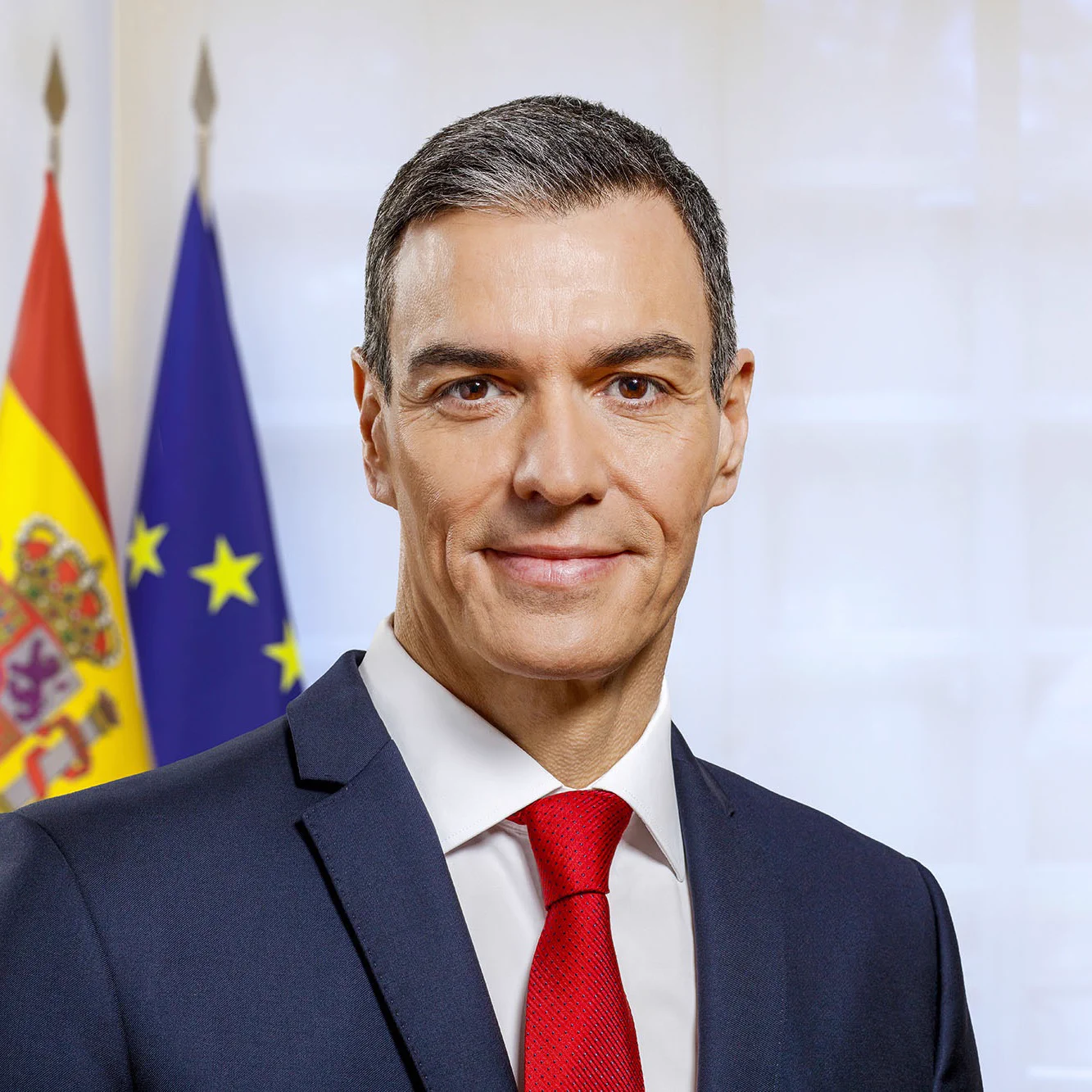
What Happened
Pedro Sánchez's Socialist Party (PSOE) lost the Spanish general election on Sunday, November 29, 2026, concluding eight years of Socialist governance. With 81% of the vote tallied, Alberto Núñez Feijóo's conservative People's Party (PP) secured 133 seats, while the far-right Vox party, led by Santiago Abascal, saw a significant increase to 51 seats from its previous 33. Including 2 seats from the allied Union of the Navarrese People (UPN), the right-wing bloc collectively achieved 186 seats in Congress. This total surpasses the 176-seat threshold required for an absolute majority in the 350-seat lower house. Conversely, Sánchez's PSOE garnered 117 seats, marking a substantial reduction in their parliamentary presence. This outcome paves the way for a new government formed by the People's Party, potentially in coalition with Vox, representing a notable shift in Spain's political direction. The election results were closely watched across Europe, given the potential implications for broader continental political trends.
What the Evidence Establishes
The official vote count, as reported by AFpost, definitively establishes that the People's Party (PP) secured 133 seats, and Vox obtained 51 seats. When combined with 2 seats from UPN, the right-wing coalition achieved a total of 186 seats. This figure is 10 seats above the 176-seat majority required in the Spanish Congress. Pedro Sánchez's Socialist Party (PSOE) was reduced to 117 seats. This outcome confirms the end of the Socialist government's eight-year tenure. The shift represents a clear mandate for the right-wing bloc, led by Alberto Núñez Feijóo, to form the next government. The results indicate a significant public sentiment favoring conservative and far-right policies, particularly concerning issues like immigration and economic management. The election also marks a historical moment, as it could potentially bring the far-right Vox party into national government for the first time since Spain's transition to democracy following the death of dictator Francisco Franco in 1975. The increased turnout, reaching 45.7% by 2 PM GMT compared to 40.5% in the 2023 election, suggests heightened public engagement in this pivotal electoral contest.
Where the Accounts Conflict
Initial reports and exit polls provided projections that, while broadly accurate in predicting a right-wing victory, varied slightly in specific seat counts compared to the final tallies. Al Jazeera, citing a Sigma Dos survey conducted between November 13 and 28, projected the PP to secure between 131 and 136 seats and Vox between 44 and 48 seats. Their combined estimate ranged from 175 to 184 seats, placing them "on the cusp" of the 176-seat majority. The same exit poll forecast PSOE to finish with 119 to 124 seats. In contrast, the AFpost report, based on 81% of the vote counted, provided more definitive numbers: PP with 133, Vox with 51, and PSOE with 117. While the overall trend of a right-wing majority was consistent across all reports, the final count showed Vox performing slightly better than the exit poll's upper range, and the Socialist Party slightly worse. Furthermore, the "Operative Telegram Feed" sources from Eric Daugherty employed highly charged language, describing the outcome as the "Socialist regime of Spain has FALLEN" and "SPAIN IS WAKING UP, FINALLY!", contrasting with Al Jazeera's more neutral "conservatives and far right within reach of majority" and AFpost's factual reporting of seat numbers. These linguistic differences highlight varying degrees of partisan framing surrounding the election results.
Context and Stakes
The election occurred amidst significant public discontent over Spain's economy, particularly "widespread unrest over rising costs" and a persistent "housing crisis" that overshadowed the Sanchez government's economic gains, including increased minimum wage and reduced unemployment. Corruption investigations involving figures close to Prime Minister Sanchez also contributed to pressure on his leadership. Immigration emerged as another contentious campaign issue, with Sanchez defending migrants' economic contributions while Feijóo and Abascal advocated for stricter controls and priority for Spanish citizens in housing and public services. This election marks a critical juncture, potentially bringing the far-right Vox party into national government for the first time since the end of Francisco Franco's dictatorship in 1975, signaling a profound shift in Spain's political identity. The outcome also carries broader European implications, preceding elections in France, Italy, Greece, and Poland next year, where nationalist parties are seeking to expand their influence. The precedent of the 2023 election, where the PP won the most votes but Sanchez formed a government with smaller left-wing and independence parties, underscores the complexity of coalition formation, even with a clear majority.
What to Watch Next
The immediate focus will be on the formation of a new government, with the new parliament scheduled to convene in December to select the next prime minister. Alberto Núñez Feijóo, as leader of the People's Party, is expected to lead this process, likely seeking a coalition agreement with Vox. The specific terms of any such alliance, including potential ministerial posts for Vox members, will be closely scrutinized. Analysts, as cited by Reuters before the election, had suggested Vox might support a conservative minority government without taking ministerial roles, but their increased seat count may alter this dynamic. Policy shifts are anticipated, particularly regarding immigration controls, economic management, and social policies, reflecting the platforms of the PP and Vox. Beyond Spain, the election's outcome will be observed for its potential influence on upcoming elections across Europe in 2027, including in France, Italy, Greece, and Poland. A sustained trend of right-wing and nationalist party gains could reshape the European Union's political landscape and policy priorities. The stability of any new coalition government in Spain will also be a key indicator of its long-term impact.
Bottom Line
The Spanish general election on November 29, 2026, definitively ended eight years of Socialist rule under Pedro Sánchez, ushering in a new era dominated by a right-wing parliamentary majority. The People's Party, led by Alberto Núñez Feijóo, in alliance with the far-right Vox party and UPN, secured 186 seats, comfortably exceeding the 176 required for control of Congress. This outcome reflects public concerns over economic issues, housing, and immigration, and marks a significant ideological shift in Spanish politics. The formation of the next government, likely a PP-Vox coalition, will dictate immediate policy changes and set a precedent for the far-right's role in national governance since the Franco era. The election's reverberations are expected to extend across Europe, influencing upcoming electoral contests and potentially strengthening nationalist movements on the continent. The transition of power will be closely monitored as the new parliament convenes in December to formally appoint the next Prime Minister.
DECLASSIFIED SOURCE: Operative Telegram Feed (via Real-time Signal Upgrade)