WNBA Star Sophie Cunningham Reaffirms Stance on Transgender Athletes in Women's Sports Amid Backlash
By Breitbart - US NewsWNBA's Sophie Cunningham defended her position on excluding biological men from women's sports, citing protection for young girls, despite significant online criticism.
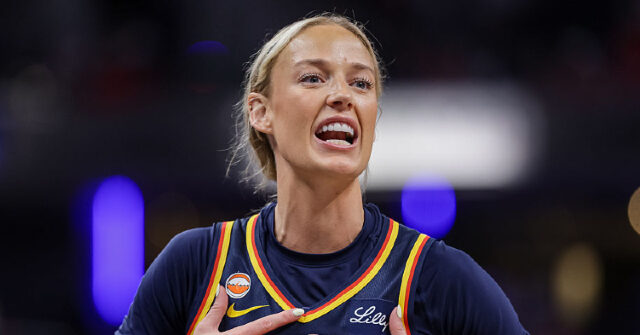
What Happened
WNBA player Sophie Cunningham publicly defended her stance on excluding biological men from women's sports this week, reiterating her position despite receiving significant negative feedback. Cunningham initially expressed her views during an interview with ESPN, stating, “I want to protect young girls in a locker room, or young girls in sport who shouldn’t have to go against biological men.” She clarified that her comments were not rooted in hatred towards transgender individuals, asserting, “I never once said that. I think that I am here to extend love.”
Following the initial backlash, which Breitbart characterized as coming from “the online left,” Cunningham doubled down on her statements during a press conference on Wednesday, July 22, 2026. She declared, “I said what I said. I think it’s kind of common sense, and I think I will always believe in that.” She further emphasized the importance of protecting children, stating, “It’s really important to protect children.” The Indiana Fever, Cunningham's team, issued a neutral statement regarding her comments, affirming that their players are “thoughtful adults with their own perspectives and voices, and those views are their own.”
What the Evidence Establishes
The evidence establishes that Sophie Cunningham has consistently articulated a position advocating for the exclusion of biological men from women's sports. Her statements to ESPN and subsequent remarks at a press conference on Wednesday, July 22, 2026, demonstrate a clear and unwavering viewpoint. She explicitly stated her motivation as protecting “young girls in a locker room, or young girls in sport,” and linked her beliefs to the concept of “common sense.” Cunningham also directly addressed accusations of transphobia, asserting, “I don’t dislike anyone. I’m there to love, but I’m also there to love biological women.”
The Indiana Fever, Cunningham's professional team, adopted a neutral institutional stance. Their official statement, “Our players are thoughtful adults with their own perspectives and voices, and those views are their own. We are committed to welcoming fans from every background and treating everyone with respect, and that’s what guides us as an organization,” indicates a policy of allowing individual player expression without endorsement or condemnation. This response suggests the organization aims to balance player autonomy with its broader commitment to inclusivity. Furthermore, the context provided by Breitbart notes a recent 6-3 Supreme Court decision last month that affirmed support for keeping men out of women's sports, suggesting a legal precedent that aligns with Cunningham's position.
Where the Accounts Conflict
While the core facts of Sophie Cunningham's statements and the Indiana Fever's response are consistent across the provided sources, the framing and characterization of the reactions to her comments present a notable conflict. Breitbart describes the opposition as “severe backlash from the online left” and notes that reactions on Wednesday were “even more forceful than the first time.” An operative Telegram feed intensifies this framing, using phrases like “TRIPLES DOWN in the face of leftists” and explicitly referring to “the transgender cult.”
This language introduces a narrative conflict by categorizing and politicizing the dissent. An evidence-first reconstruction would describe the opposition as “critics” or “those who disagreed with her stance,” without assigning a specific political label or using pejorative terms like “transgender cult.” The sources agree that there was significant negative feedback, but they diverge sharply in how they characterize the source and nature of that feedback, implying different motivations and political alignments for those expressing disagreement. The Telegram feed, in particular, employs highly charged rhetoric that aims to frame the issue as a direct ideological confrontation rather than a policy debate.
Context and Stakes
Sophie Cunningham's statements occur within a broader, highly contentious national debate regarding the participation of transgender athletes in women's sports. This issue frequently intersects with discussions about fairness, biological differences, and the intent of Title IX, a federal law passed in 1972 that prohibits sex-based discrimination in any education program or activity receiving federal financial assistance. Proponents of restricting transgender women from women's sports often cite biological advantages, as Cunningham did by stating the need to protect “young girls in sport who shouldn’t have to go against biological men.”
The stakes in this debate are significant, impacting athletic organizations, educational institutions, and the rights of individuals. The Breitbart report highlights that “a strong majority of Americans, including Democrats, support keeping men out of women’s sports,” and references a recent 6-3 Supreme Court decision affirming this position. This suggests a substantial public and legal foundation for Cunningham's views, even as they generate intense opposition from other segments of the population. The WNBA, as a prominent professional women's sports league, finds itself navigating these complex social and political currents, with individual player statements potentially influencing public perception and sponsor relations.
What to Watch Next
Observers should monitor several key areas following Sophie Cunningham's reiterated stance. First, attention will be on whether the WNBA or the broader NBA organization issues any further statements or guidance regarding player speech on politically charged topics. While the Indiana Fever maintained neutrality, a league-wide response could set a precedent for how such controversies are managed. Second, watch for any potential reactions from WNBA sponsors or partners. Public statements by athletes, particularly on divisive issues, can sometimes prompt corporate entities to re-evaluate their associations, though direct financial impacts are often delayed or indirect.
Third, observe if other prominent athletes, particularly within women's sports, choose to publicly support or oppose Cunningham's position. Such endorsements or condemnations could amplify the debate and potentially galvanize different factions within the sports community. Finally, legislative bodies at state and federal levels may continue to introduce or advance bills related to transgender participation in sports, potentially citing public figures like Cunningham as part of their advocacy. The Supreme Court's recent 6-3 decision on this matter suggests ongoing legal and political momentum that could influence future policy decisions.
Bottom Line
WNBA star Sophie Cunningham has firmly and repeatedly articulated her position that biological men should not participate in women's sports, framing her advocacy as a protective measure for young girls. This stance has generated considerable online backlash, which some sources characterize as originating from “the online left,” while also aligning with a reported majority of American public opinion and a recent Supreme Court ruling. The Indiana Fever has opted for a neutral organizational response, emphasizing player autonomy in expressing personal views.
The controversy underscores the ongoing national tension surrounding transgender rights and women's sports, a debate with significant legal, social, and athletic implications. Cunningham's willingness to double down on her statements despite criticism highlights the deeply held convictions on both sides of the issue. The situation is likely to maintain public discourse on athlete activism and the role of sports organizations in navigating complex social issues, with potential for further reactions from the league, sponsors, and other public figures as the debate continues to unfold.
DECLASSIFIED SOURCE: Breitbart - US News (via Real-time Signal Upgrade)