Ukraine Launches Massive Drone Attack on Moscow Despite US-Russia Agreement
By Operative Telegram FeedUkraine launches over 1,600 drones at Russia, including hundreds at Moscow, six days after US-Russia agreement not to target energy systems, killing two and wounding 20
What Happened
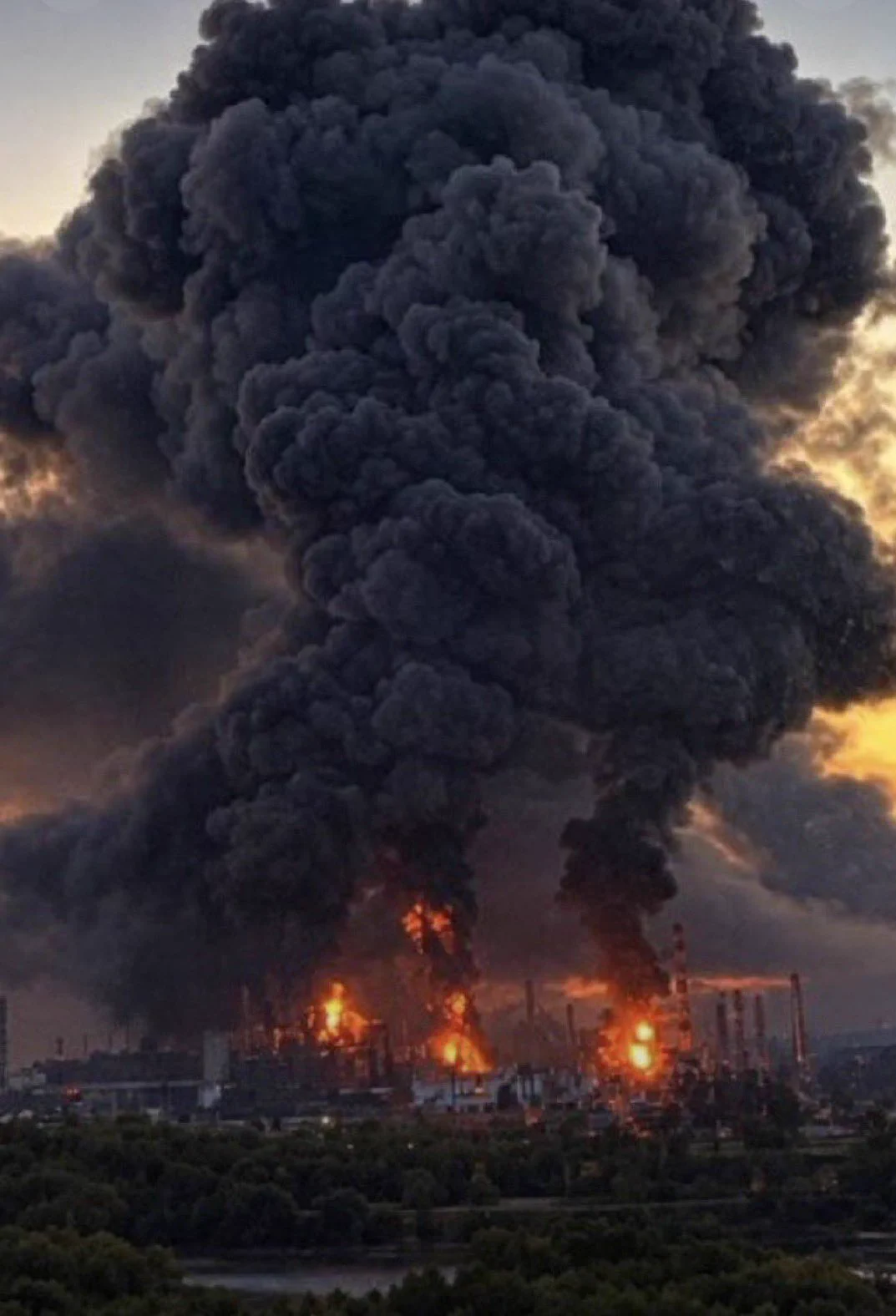
On September 20, 2026, Ukraine launched a massive drone attack on Moscow, with over 1,600 drones deployed, including hundreds targeting the Russian capital. This attack occurred just six days after the United States and Russia agreed not to target each other's energy systems.
According to Ukrainian President Volodymyr Zelenskyy, the attack utilized a range of missiles and drones, including domestically made Flamingo and Pelican missiles, to hit oil and logistics facilities. The goal, as stated by Zelenskyy, is to put financial pressure on Russia's economy by targeting the billions of dollars that sustain its war machine.
The attack resulted in damage to a Moscow oil refinery and a residential building, with two people killed and 20 wounded in the Moscow region, as reported by local Governor Andrei Vorobyov.
What the Evidence Establishes
The evidence establishes that Ukraine has significantly escalated its military actions against Russia, leveraging its advanced drone technology to strike deep within Russian territory. This escalation comes despite the recent agreement between the US and Russia aimed at de-escalating the conflict by avoiding attacks on each other's energy systems.
Ukraine's use of over 1,000 drones, as reported by officials, demonstrates its capability and willingness to engage in large-scale aerial attacks. The targeting of oil refineries and logistics facilities indicates a strategic effort to weaken Russia's economic and military capabilities.
Furthermore, the attack's timing, coinciding with Russia's parliamentary elections, suggests an intent to disrupt Russian political processes and possibly influence public opinion against the war.
Where the Accounts Conflict
While Ukraine's President Zelenskyy framed the drone attack as a strategic move to pressure Russia economically and force a peace settlement, Russian officials, including Moscow Mayor Sergei Sobyanin, characterized the attack as an attempt to disrupt Russia's elections and an act of aggression.
The scale of the attack and the number of drones shot down by Russian forces are also points of contention, with Ukraine announcing the launch of over 1,600 drones and Russia claiming to have destroyed 1,110 Ukrainian drones across the country.
Additionally, the international community's response to the attack and the US-Russia agreement's effectiveness in preventing further escalation are subjects of conflicting interpretations, with some viewing the attack as a violation of the agreement and others seeing it as a justified response to ongoing Russian aggression.
Context and Stakes
The drone attack on Moscow is set against the backdrop of a prolonged and intense conflict between Ukraine and Russia, with significant geopolitical implications. The stakes are high, with potential consequences including further escalation of the conflict, increased humanitarian crises, and broader international involvement.
Ukraine's advancement in drone technology, now a global leader in military drone production, has enabled it to launch deep strikes into Russian territory, changing the dynamics of the conflict. This capability, combined with the will to use it, poses a significant challenge to Russia's military and economic superiority.
The US-Russia agreement, aimed at preventing attacks on each other's energy systems, faces its first major test with this drone attack. The agreement's failure to prevent the attack raises questions about its effectiveness and the commitment of the parties involved to de-escalation.
What to Watch Next
In the immediate future, the response of the international community, including the US, EU, and other major powers, will be crucial in determining the next steps in the conflict. Diplomatic efforts to enforce the US-Russia agreement and prevent further escalation will be closely watched.
Russia's reaction, both militarily and politically, will also be significant. President Putin's stance on the conflict and his willingness to negotiate a peace settlement will be under scrutiny, especially given the domestic political context of the recent parliamentary elections.
Furthermore, the development and deployment of drone technology by Ukraine and its impact on the conflict's dynamics will continue to be a key aspect to watch. The potential for other countries to be drawn into the conflict, either directly or through the provision of military aid, is another critical factor that could influence the outcome.
Bottom Line
The drone attack on Moscow by Ukraine marks a significant escalation in the conflict, challenging the recent US-Russia agreement and posing substantial geopolitical risks. The ability of Ukraine to launch such a large-scale attack deep into Russian territory underscores the evolving nature of the conflict and the importance of diplomatic efforts to prevent further escalation.
The international community's response and the actions of key players, including the US, Russia, and Ukraine, will be critical in determining the path forward. The conflict's outcome will have far-reaching implications, not only for the region but also for global security and the future of international relations.
As the situation continues to unfold, close attention will be paid to the military, diplomatic, and economic developments, with the hope that a peaceful resolution can be achieved to end the suffering of the civilian populations affected by the conflict.
DECLASSIFIED SOURCE: Operative Telegram Feed (via Real-time Signal Upgrade)