Shooting Triggers Panic at Times Square: Clarity Amid Chaos
By RT - NewsA shooting incident in Times Square has led to widespread panic and chaos, raising questions about safety in one of New York City's most iconic areas. Eyewitness accounts describe a chaotic scene following the gunfire, which occurred during peak hours.
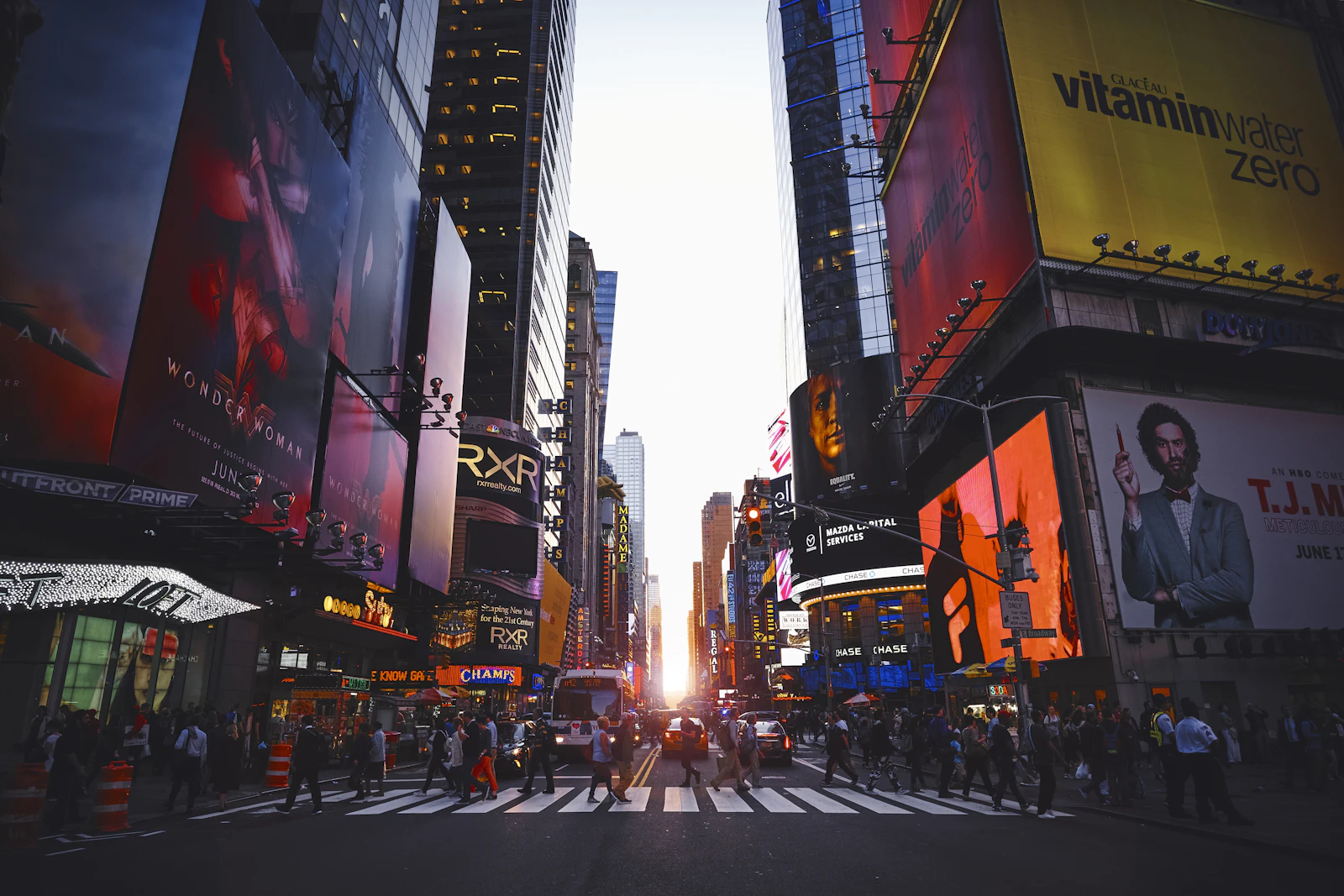
As the clock ticked towards the bustling late afternoon in Times Square, the serenity was shattered by gunfire, plunging one of New York City's iconic spaces into chaos. The event not only alarmed tourists and locals but also reignited discussions about the ongoing issues of gun violence and public safety in urban areas.
The incident reportedly unfolded at around 4 PM near West 44th Street and Seventh Avenue, a high-traffic area filled with visitors, performers, and vendors. Witnesses described a scene of panic as people ran in all directions, some seeking safety and others frozen in shock as the sound of gunfire echoed through the square. Immediate responses from bystanders and law enforcement underscored the tense environment, with rapid police interventions aiming to diffuse the chaos.
According to the New York Police Department (NYPD), initial reports confirmed that shots were fired, yet details remain murky about the motivations behind the shooting and whether injuries were sustained. Eyewitness accounts depict a disorienting whirlwind; amid the fear and confusion, people attempted to capture video of the unfolding drama, reflecting the strange intertwining of modernity and violence.
Amid the chaos, a critical lens must be turned towards the recurrent narrative of violence in urban settings. Gun violence in the United States, particularly in densely populated areas like New York City, has sparked fierce debates about legislation, policing strategies, and societal norms surrounding firearms. While official narratives often focus on singular incidents, stripping away the establishment spin reveals a broader tapestry of societal issues that feed into such tragic events.
Statistics vs Reality
For many in the city, the frequency of violent incidents - even if statistically decreasing - remains a constant source of anxiety. Data from the NYPD has shown fluctuations in crime rates, but the visceral fear of potential violence lurks in the backdrop, complicating the city’s identity as a safe haven for tourists and locals alike. The suggestion that crime is on the decline does little to assuage fears when the haunting memory of past shootings lingers.
The Pattern of Institutional Responses
In the aftermath of the shooting, the institutional responses become pivotal to restoring public confidence. New York City's Mayor's office and the NYPD's disposition following such incidents are critical: how effectively they communicate the situation and assure the public regarding continued safety measures plays an essential role in the narrative that unfolds. Historical context reveals that urban political responses, especially in the wake of violence, can sometimes skew towards rhetoric rather than concrete action.
This aligns with the long-standing conclusions reached by public policy experts who suggest that post-incident strategies often emphasize optics rather than systemic change. Police presence increases, but without addressing underlying socioeconomic issues and community relations, the cycle of fear remains. Consequently, when the media promulgates fear through sensationalized coverage, the public relations effort becomes a balancing act.
The Market Fallout
The immediate impact of such incidents extends beyond public safety concerns. The potential for economic repercussions following a violent occurrence is significant, especially in a major tourist destination like Times Square. Business owners, local politicians, and city planners must navigate the delicate relationship between public perception and economic stability.
Following the shooting, businesses in the area are likely to experience a temporary downturn as customers may hesitate to visit, fearing similar incidents. This uncertainty often leads to broader questions about the long-term viability of businesses in high-density areas, particularly if violence becomes associated with routine urban life. Financially, this can result in a "volatility" impact classification, as the city's economic health is inevitably tied to its perceived safety.
The Bottom Line
As authorities investigate and sift through the chaos of this afternoon’s shooting, the broader implications about urban safety and gun violence resurface yet again. While immediate fears are addressed, it is essential to critically view how public safety narratives evolve and the ongoing struggle to cultivate a truly safe urban environment.
Original Source: RT World News.
This report includes aggregated reporting, adversarial verification, and explicit analysis.
DECLASSIFIED SOURCE: RT - News