Retired American Teacher Stephen Hubbard Released by Russia Amid Trump-Zelensky Tensions
By TMZRetired Michigan teacher Stephen Hubbard, 74, was released by Russia on October 21, 2026, after U.S. envoy Steve Witkoff met with Putin, following Trump's overtures.
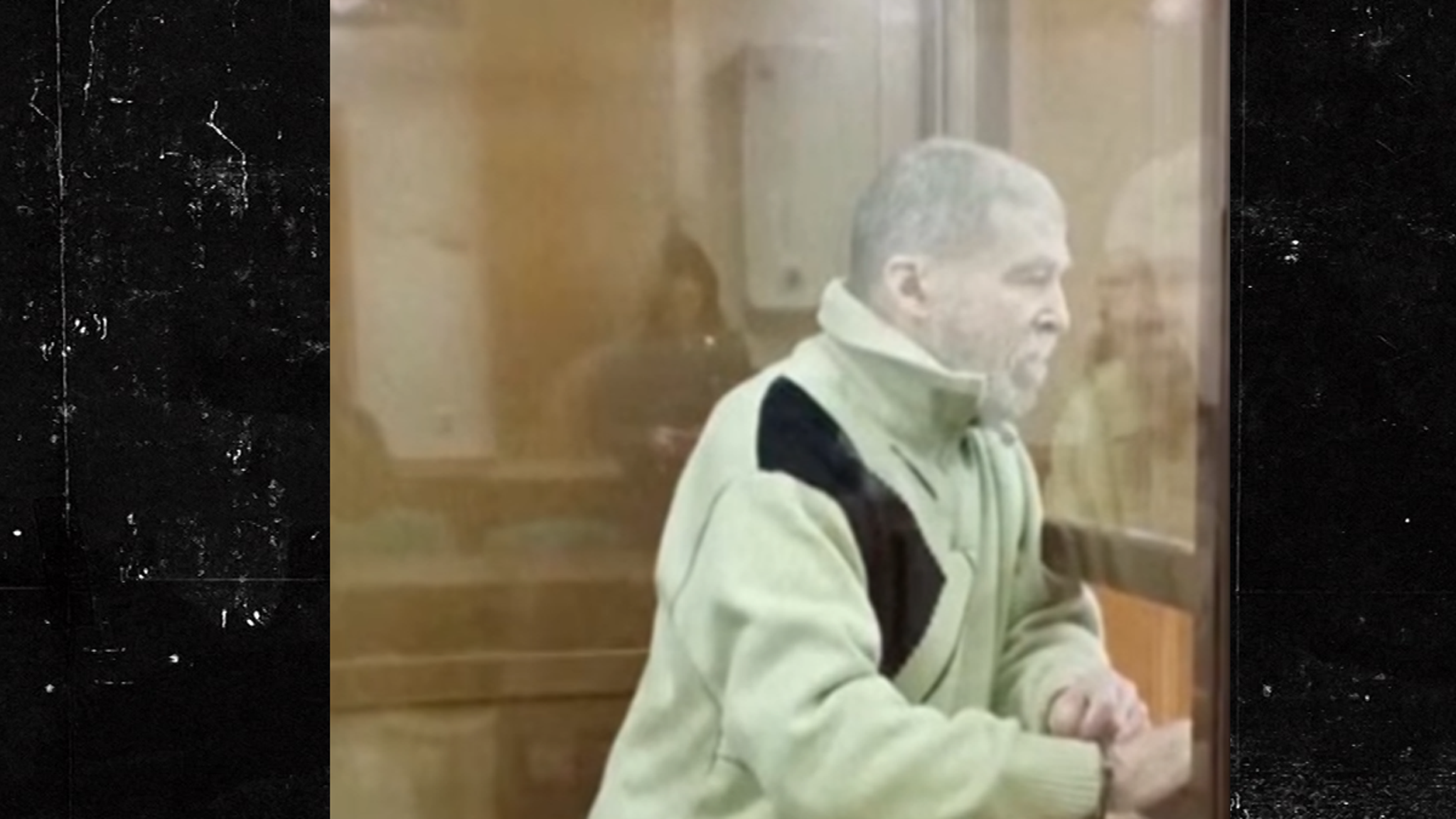
What Happened
On Wednesday, October 21, 2026, Russia released Stephen Hubbard, a 74-year-old retired American teacher from Michigan, who had been imprisoned since 2024. Hubbard was serving a nearly seven-year sentence after Russian prosecutors accused him of fighting as a mercenary in Ukraine, allegations he consistently denied. The announcement of his release was made during a meeting in St. Petersburg between U.S. special envoy Steve Witkoff and Russian President Vladimir Putin. CNN reported that Witkoff expressed gratitude to Putin, stating, "Because of you, he’s going home to his family." This diplomatic breakthrough followed public statements by President Donald Trump on Tuesday, where he told reporters, as cited by the New York Times, that he had been "talking to President Putin about Mr. Hubbard... I've been talking to him at length. I’ve asked him to release him. Let’s see what happens." The State Department had previously classified Hubbard as "wrongfully detained."
What the Evidence Establishes
The evidence establishes that Stephen Hubbard, a 74-year-old retired teacher, was released by Russia on October 21, 2026, after being sentenced to nearly seven years in prison in 2024 on charges of mercenary activity in Ukraine. Both TMZ and The Hill confirm his release, attributing the development to a meeting between U.S. special envoy Steve Witkoff and Russian President Vladimir Putin in St. Petersburg. President Donald Trump publicly stated on Tuesday, October 20, 2026, that he had made direct appeals to President Putin for Hubbard's release, a claim corroborated by the New York Times. The U.S. State Department had previously designated Hubbard as "wrongfully detained," indicating a formal U.S. government position that his imprisonment lacked legitimate legal basis. Hubbard himself consistently denied the mercenary allegations leveled against him by Russian authorities, a crucial detail highlighted in the reporting.
Where the Accounts Conflict
The primary conflict in the accounts centers on the legitimacy of Stephen Hubbard's detention and the charges against him. Russian prosecutors accused Hubbard of working as a mercenary in Ukraine, leading to his nearly seven-year prison sentence in 2024. However, Hubbard consistently denied these allegations, maintaining his innocence. The U.S. State Department's official designation of Hubbard as "wrongfully detained" directly contradicts the Russian legal justification for his imprisonment, suggesting a fundamental disagreement on the facts of his case and the legality of his arrest and conviction. While both TMZ and The Hill report on his release and the diplomatic efforts involved, neither source provides new details or evidence to reconcile the conflicting claims regarding Hubbard's alleged mercenary activities versus his denials and the U.S. government's stance. The sources are consistent on the fact of his release and the actors involved, but not on the underlying reasons for his initial detention.
Context and Stakes
Stephen Hubbard's release occurs amidst heightened geopolitical tensions, particularly between former U.S. President Donald Trump and Ukrainian President Volodymyr Zelensky. This event follows Trump's controversial announcement that he intends to resume purchasing Russian diesel and lift sanctions, a move that drew sharp criticism from Zelensky. The Ukrainian President publicly responded on X, labeling Trump's proposed policy as a "gift" to Putin. In turn, Trump called for Zelensky's replacement, further escalating the diplomatic friction. The timing of Hubbard's release, following Trump's direct appeals to Putin, underscores the complex and often transactional nature of international relations, especially concerning detained citizens. Putin, who is currently wanted by the International Criminal Court as a war criminal, gains a diplomatic moment, while Trump's involvement could be seen as a demonstration of his influence on the global stage, potentially impacting his political standing and future foreign policy initiatives. The broader implications for U.S.-Ukraine relations and the ongoing conflict remain significant.
What to Watch Next
Observers should closely monitor President Trump's public statements and actions regarding Ukraine and Russia in the immediate aftermath of Hubbard's release. His recent calls for Zelensky's replacement and intentions to lift Russian sanctions indicate a potential shift in U.S. foreign policy if he were to regain power. The U.S. State Department's official response to Hubbard's return will also be critical, particularly how it frames the diplomatic efforts and whether it reiterates or modifies its "wrongfully detained" designation. Furthermore, the reactions from Kyiv, specifically from President Zelensky and his administration, to both Hubbard's release and Trump's continued rhetoric will provide insight into the evolving dynamics of the U.S.-Ukraine relationship. Any further details emerging about the conditions of Hubbard's release or the specifics of the negotiations between Witkoff and Putin will be important for understanding the full scope of this diplomatic event and its potential precedents for future detainee exchanges.
Bottom Line
The release of 74-year-old retired American teacher Stephen Hubbard from Russian custody on October 21, 2026, marks a significant diplomatic outcome, facilitated by U.S. special envoy Steve Witkoff's meeting with President Vladimir Putin and preceded by President Donald Trump's direct appeals. Hubbard, who consistently denied Russian mercenary charges, was previously designated as "wrongfully detained" by the U.S. State Department. This event unfolds against a backdrop of escalating public tensions between Trump and Ukrainian President Volodymyr Zelensky, fueled by Trump's controversial proposals to lift sanctions on Russia and resume diesel purchases, and his subsequent call for Zelensky's removal. The release demonstrates the potential for high-level political intervention in international detainee cases and highlights the intricate, often personal, dynamics influencing current geopolitical alignments, particularly concerning U.S.-Russia-Ukraine relations. The immediate future will likely see continued scrutiny of Trump's foreign policy positions and their impact on the ongoing conflict.
DECLASSIFIED SOURCE: TMZ (via Real-time Signal Upgrade)