Crenshaw Faces Backlash Over 'Stop Whining' Comment Amid Primary Defeat and Affordability Debate
By Operative Telegram FeedRep. Dan Crenshaw told Americans to "stop whining" about $20 burritos and "get a job," drawing criticism after his primary defeat and amid insider trading accusations.
What Happened
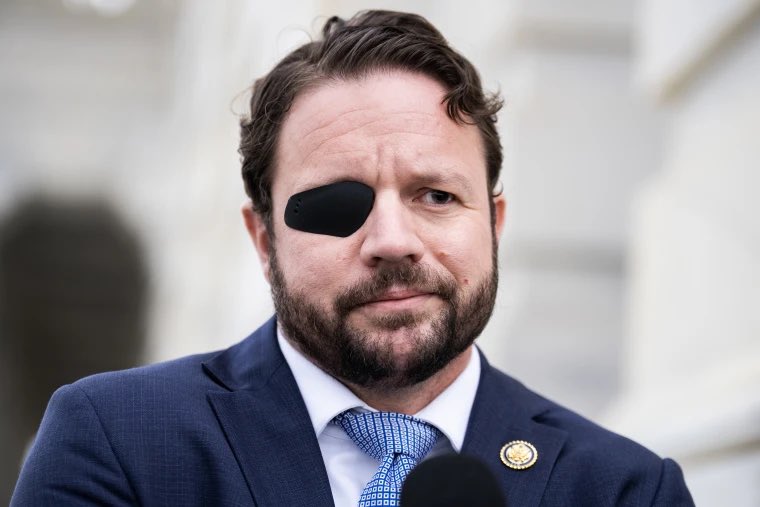
On August 7, 2026, Representative Dan Crenshaw (R-Texas) publicly advised Americans struggling with high food prices to "stop whining" and "get a job." These remarks were made in response to a viral discussion concerning the cost of a $20 burrito, a topic that has highlighted growing divisions within the Republican Party regarding economic affordability. Crenshaw's comments, which he subsequently doubled down on, immediately drew significant criticism from various quarters. This incident follows his recent defeat in a GOP primary challenge by Steve Toth, a loss attributed by some constituents to a perceived disconnect from their core interests. The controversy surrounding his statements has intensified scrutiny on his political standing and financial history.
The context of Crenshaw's remarks is rooted in a broader national debate over inflation and the rising cost of living, particularly for everyday necessities like food. The $20 burrito became a symbol of this struggle, sparking widespread discussion across social media platforms and news outlets. Crenshaw's direct and dismissive tone, telling people to "stop whining" and "get a job," was perceived by many as insensitive to the economic hardships faced by a significant portion of the population. This public exchange occurred shortly after his primary election loss, adding another layer of political vulnerability to his public image and policy positions.
What the Evidence Establishes
Evidence from multiple sources confirms that Rep. Dan Crenshaw made the controversial statements regarding high food prices and the $20 burrito debate. The Hill reported on August 7, 2026, that Crenshaw "doubled down on his comments Thursday after drawing criticism for telling Americans concerned about high food prices to 'stop whining' and 'get a job'." This corroborates the initial report from an Operative Telegram Feed, which also quoted Crenshaw telling Americans to "stop whining" and "get a job" in the context of $20 burritos.
Furthermore, the Operative Telegram Feed explicitly states that Crenshaw "was recently defeated in a GOP primary challenge by Steve Toth." This defeat is presented as a consequence of constituents feeling that "he had lost sight of their core interests." The same source also details accusations of insider trading against Crenshaw, noting a significant increase in his net worth "from $800,000 to $1.34 million during his time in office." While The Hill focuses primarily on the burrito debate, the Telegram feed provides additional context regarding his political standing and financial scrutiny, establishing a broader picture of the challenges Crenshaw faces.
Where the Accounts Conflict
The two provided accounts, one from an Operative Telegram Feed and the other from The Hill, largely align on the core event: Rep. Dan Crenshaw's comments regarding the $20 burrito and his advice to "stop whining" and "get a job." Both sources confirm the existence of the debate over affordability and Crenshaw's participation in it. The Hill's report, dated August 7, 2026, focuses specifically on Crenshaw's "doubled down" stance and the "dumb $20 burrito debate," framing it as exposing "divisions among the GOP over affordability." This account is more narrowly focused on the immediate controversy.
The Operative Telegram Feed, also dated August 7, 2026, provides a more expansive narrative. While confirming Crenshaw's statements, it adds critical details not present in The Hill's report. Specifically, the Telegram feed mentions Crenshaw's recent defeat "in a GOP primary challenge by Steve Toth" and attributes this loss to constituents' perception that "he had lost sight of their core interests." Crucially, this source also introduces "several accusations of insider trading," citing an increase in Crenshaw's net worth from "$800,000 to $1.34 million during his time in office." These additional elements from the Telegram feed provide a deeper, more critical context to Crenshaw's current political standing and public perception, which The Hill's article does not cover.
Context and Stakes
Rep. Dan Crenshaw's remarks on food prices are situated within a national economic climate characterized by persistent inflation and rising costs of living, particularly for essential goods. The viral $20 burrito debate serves as a microcosm of broader public frustration over affordability, a sentiment that has significant political implications. For the Republican Party, this issue highlights internal divisions, as some members advocate for fiscal conservatism and individual responsibility, while others acknowledge the tangible economic pressures on their constituents. Crenshaw's dismissive tone risks alienating a segment of the electorate already struggling, potentially exacerbating the perception that some politicians are out of touch with everyday economic realities.
The stakes for Crenshaw personally are substantial, especially following his recent primary defeat by Steve Toth. His comments, coupled with the accusations of insider trading and the reported increase in his net worth from $800,000 to $1.34 million during his tenure, contribute to a narrative of a politician disconnected from his base. Such a narrative can severely damage a public figure's credibility and electability, even beyond a specific election cycle. The ongoing debate over affordability will likely remain a key issue in upcoming elections, and how politicians address it, both in policy and rhetoric, will significantly influence public trust and electoral outcomes. The incident underscores the sensitivity required when discussing economic hardship, particularly for elected officials.
What to Watch Next
Observers should monitor how other Republican leaders and candidates address the ongoing affordability debate, particularly in light of Crenshaw's controversial comments. The internal divisions within the GOP regarding economic messaging may become more pronounced as the issue of inflation continues to impact households. Specific attention should be paid to whether other politicians adopt or distance themselves from Crenshaw's "stop whining" rhetoric, as this will indicate the prevailing strategy for addressing voter concerns about high prices. Any legislative proposals or public statements from congressional committees on economic policy, especially those related to food costs or consumer spending, will be relevant indicators of the political response.
Furthermore, the accusations of insider trading against Crenshaw and the reported increase in his net worth warrant continued scrutiny. While the sources do not detail any ongoing investigations, public pressure or media attention could prompt further examination by ethics committees or financial oversight bodies. Any official statements or disclosures from Crenshaw regarding his financial dealings or the specifics of his primary loss will provide additional clarity. The political landscape in Texas, particularly within Crenshaw's former district, will also be a key area to watch for how his defeat and these controversies influence future electoral dynamics and candidate positioning.
Bottom Line
Rep. Dan Crenshaw's public admonition to Americans to "stop whining" about high food prices and "get a job" has intensified the national debate on affordability, drawing significant criticism. These remarks follow his recent primary election defeat by Steve Toth, a loss attributed to constituents' perception of his detachment from their interests. The controversy is further compounded by existing accusations of insider trading, which cite a substantial increase in his net worth from $800,000 to $1.34 million during his time in office. The incident underscores the political sensitivity surrounding economic hardship and highlights internal divisions within the Republican Party on how to address voter concerns about inflation.
The immediate impact of Crenshaw's statements is a heightened focus on the cost of living and the perceived empathy of elected officials. For the GOP, the episode serves as a test of its messaging strategy on economic issues, particularly as it navigates the balance between advocating for individual responsibility and acknowledging widespread financial strain. The long-term implications for Crenshaw's political career remain uncertain, but the confluence of his primary loss, controversial comments, and financial scrutiny presents a significant challenge to his public image and future political viability. The broader discussion on affordability will continue to shape political discourse and electoral strategies.
DECLASSIFIED SOURCE: Operative Telegram Feed (via Real-time Signal Upgrade)