Nvidia CEO Jensen Huang Ousted Amid Chinese Spy Allegations and Affairs
By Operative Telegram FeedNvidia CEO Jensen Huang was removed by the board after alleged affairs, including one with a purported Chinese spy, and a second with an Nvidia VP. CFO Colette Kress is interim CEO; stock fell 10%.
What Happened
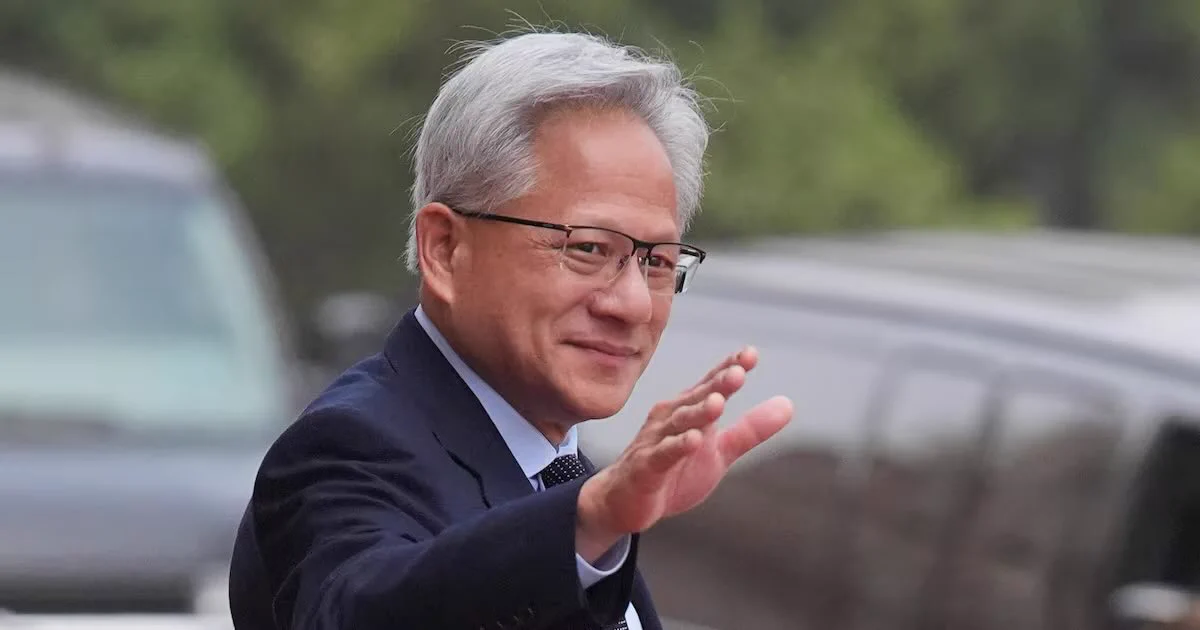
Nvidia's board of directors removed Jensen Huang as chief executive on Thursday, November 12, 2026, following an hours-long meeting on Wednesday. This decision came just three days after the board had reportedly given Huang a vote of confidence. The ouster follows a period of intense scrutiny that began on October 29, when media outlets reported on a "close relationship" between Huang and Alice Huang, a Chinese citizen and executive at Megaspeed, a major Nvidia chip buyer in Southeast Asia. U.S. intelligence agencies reportedly suspect Alice Huang of spying for Beijing. This national security scandal was compounded by allegations of a second extramarital affair with Nvidia Vice President of Health Care Kimberly Powell, and a third with an unnamed Nvidia employee, which was reported by Reuters on the day of Huang's removal. President Trump publicly commented on the situation, calling it "what a HORRIBLE THING that is" and expressing sadness.
The events unfolded rapidly, with the initial report on October 29 detailing the alleged ties to Alice Huang. Photos from June 2024 showed Jensen Huang and Alice Huang drinking whiskey together, and they attended a business dinner in Taipei in May 2025 with other AI suppliers. Secretary of State Marco Rubio reportedly oversaw a classified memo in spring 2026 warning Trump administration officials about Jensen Huang’s ties to Alice Huang. The FBI is currently investigating this relationship, though President Trump has stated he believes no criminal activity will be found. The second alleged affair, with Kimberly Powell, involved reports of "lovey-dovey" behavior at a San Jose hotel in March during a company conference, with a bystander reportedly filmed the encounter and was later offered a nondisclosure agreement by Huang's security team. Huang admitted his infidelity to his wife, Lori Huang, on Sunday, November 9, and subsequently emailed Nvidia staffers to apologize for his actions.
What the Evidence Establishes
The evidence establishes that Jensen Huang has been removed from his position as CEO of Nvidia, the company he founded in 1993 and led for over 30 years. Colette Kress, Nvidia's Executive Vice President and Chief Financial Officer, has been appointed as interim CEO, and will continue her CFO duties during the search for a permanent successor. Harvey C. Jones, an entrepreneur and technology executive, has been named the first-ever Chair of the Board. The company's stock experienced a significant financial impact, falling 10 percent in pre-market trading following the news of Huang's ouster. Analysts from Citi, Atif Malik and Papa Sylla, cut Nvidia's price target to $225 from $285, citing the leadership transition as an "overhang on the stock" due to Huang's central role in strategy and investor confidence. Dan Ives of Yorkville Ives & Co. estimated Huang's personal value to the company at $75 per share, stating Nvidia's value is $300 with Huang and $225 without him.
Furthermore, the evidence confirms multiple allegations of extramarital affairs against Jensen Huang. These include a reported relationship with Alice Huang, an executive at Megaspeed, who U.S. intelligence suspects of being a Chinese spy. A second affair with Nvidia Vice President Kimberly Powell has also been reported, with specific details about an encounter at a San Jose hotel in March. A third affair with an unnamed Nvidia employee was reported by Reuters on November 12, 2026. Jensen Huang himself admitted to his wife, Lori Huang, on November 9, 2026, that he had been unfaithful, stating, "There is no excuse for what I did." He subsequently issued an apology to Nvidia staffers, taking "full responsibility for what I did and the hurt I caused." The FBI is actively investigating the relationship between Jensen Huang and Alice Huang, a matter that has drawn comments from President Trump and a classified memo from Secretary of State Marco Rubio.
Where the Accounts Conflict
While the core facts of Jensen Huang's ouster and the allegations against him are consistent across the provided sources, there are subtle differences in emphasis and framing. The 'Operative Telegram Feed' highlights President Trump's strong condemnation, quoting him as saying "what a HORRIBLE THING that is" and emphasizing the "THREE extramarital affairs." This source focuses on the moral and political outrage surrounding the events, particularly the alleged Chinese spy connection, and presents the information with a sense of urgency and exclamation. It frames the situation as a personal failing with significant public repercussions, aligning with a more sensationalist approach to the news.
In contrast, Breitbart News, while reporting the same events, places a greater emphasis on the corporate governance aspects and the financial implications for Nvidia. Their articles feature comments from top stock analysts like Atif Malik, Papa Sylla, and Dan Ives, who discuss the "spiderweb of complexity" and the "overhang on the stock." Breitbart also details the board's actions, including the appointment of Colette Kress and Harvey C. Jones, and delves into the company's code of conduct regarding conflicts of interest. The discrepancy between the board giving Huang a "vote of confidence" on Sunday and then removing him on Thursday also represents a conflict in the board's stated position versus its ultimate action, indicating a rapid shift in internal dynamics or the emergence of new, compelling information that forced their hand despite earlier support. Robert Greifeld, former Nasdaq chairman, explicitly questioned the board's succession planning and whether Huang lied to them, highlighting a potential internal conflict within the company's leadership.
Context and Stakes
Jensen Huang's removal carries significant implications for Nvidia, the broader artificial intelligence industry, and national security. Nvidia, under Huang's 30-year leadership, became a dominant force in AI infrastructure and a primary beneficiary of the global AI spending cycle, growing into one of the world's most valuable companies, valued at approximately $4 trillion. His departure creates substantial "key man risk," as analysts like Citi's Atif Malik and Papa Sylla noted, given his central role in strategy, product vision, customer relationships, and investor confidence. The immediate 10% drop in pre-market trading for Nvidia shares underscores the market's reliance on Huang's leadership and the uncertainty surrounding his successor.
Beyond corporate leadership, the allegations involving Alice Huang, a purported Chinese spy, elevate the scandal to a matter of national security. The FBI investigation and the classified memo from Secretary of State Marco Rubio indicate serious concerns within the U.S. government regarding potential intelligence breaches and the influence of foreign adversaries on critical technology sectors. This comes at a time when Huang had been lobbying the Trump administration to ease restrictions on Nvidia's chip sales to China, adding a layer of geopolitical complexity. The incident highlights vulnerabilities in corporate governance, particularly regarding executive conduct and potential conflicts of interest, as noted by former Nasdaq chairman Robert Greifeld, who criticized the board's succession planning. The long-term impact on Nvidia's strategic direction, its relationship with the U.S. government, and its standing in the highly competitive AI market remains a critical concern.
What to Watch Next
The immediate focus will be on Nvidia's board of directors and their search for a permanent Chief Executive Officer. The board has stated it will consider both internal and external candidates. The performance and public statements of interim CEO Colette Kress will be closely scrutinized for indications of stability and strategic direction. Investors will be watching for any further guidance from Nvidia regarding its leadership transition plan and how it intends to mitigate the "overhang on the stock" identified by analysts. Any announcements regarding the timeline for a permanent CEO appointment or the criteria for selection will be critical in shaping market sentiment and the company's future trajectory. The question of whether the board believes Jensen Huang lied to them, as raised by Robert Greifeld, may also influence the transparency and thoroughness of their search process.
Concurrently, developments in the FBI's investigation into Jensen Huang's relationship with Alice Huang, the purported Chinese spy, will be a key area to monitor. While President Trump has expressed belief that no criminal findings will emerge, any official statements or leaks from the FBI or other intelligence agencies could significantly impact Nvidia's reputation and its relationship with the U.S. government. Furthermore, the broader geopolitical implications, particularly concerning U.S.-China technology relations and export controls on AI chips, could evolve based on the investigation's findings. The market will also react to any further analyst downgrades or upgrades for NVDA stock, as well as any major shifts in institutional investor positions. The resolution of the internal corporate governance issues, including any potential reforms or enhanced oversight mechanisms, will also be important to observe in the coming weeks and months.
Bottom Line
Jensen Huang, the long-standing CEO and founder of Nvidia, was removed from his position on November 12, 2026, following a series of allegations including three extramarital affairs, one of which involved a woman suspected by U.S. intelligence of being a Chinese spy. This corporate upheaval, which occurred despite a recent board vote of confidence, immediately triggered a 10% decline in Nvidia's stock value. Colette Kress, the company's CFO, has assumed the role of interim CEO, while the board initiates a search for a permanent replacement. The FBI is actively investigating the alleged national security implications of Huang's relationships, a situation that has drawn public commentary from President Trump and a classified memo from Secretary of State Marco Rubio. The incident underscores significant corporate governance challenges and highlights the profound impact of executive conduct on market confidence and national security interests, particularly for a company as pivotal to the global AI landscape as Nvidia. The company now faces the dual challenge of stabilizing its leadership and navigating a complex geopolitical and legal environment.
The departure of Huang, who was instrumental in establishing Nvidia as the leader in AI infrastructure, creates substantial uncertainty regarding the company's future strategic direction and innovation pipeline. Analysts have already adjusted price targets downward, reflecting concerns over the loss of Huang's vision and leadership. The ongoing FBI investigation could yield further revelations, potentially impacting Nvidia's operational capabilities, especially concerning its international business dealings and government contracts. The board's ability to swiftly and effectively appoint a credible, long-term successor will be crucial in restoring investor confidence and ensuring Nvidia maintains its competitive edge in the rapidly evolving artificial intelligence sector. The incident serves as a stark reminder of the interconnectedness of personal conduct, corporate governance, market valuation, and national security in the modern technology landscape.
DECLASSIFIED SOURCE: Operative Telegram Feed