Majority of Americans Perceive Threats to Voting Rights
By The Hill - NewsA recent poll reveals that a significant portion of the American population believes that voting rights are currently under threat. The AP-NORC Center survey indicates widespread concern among citizens regarding their civil liberties.
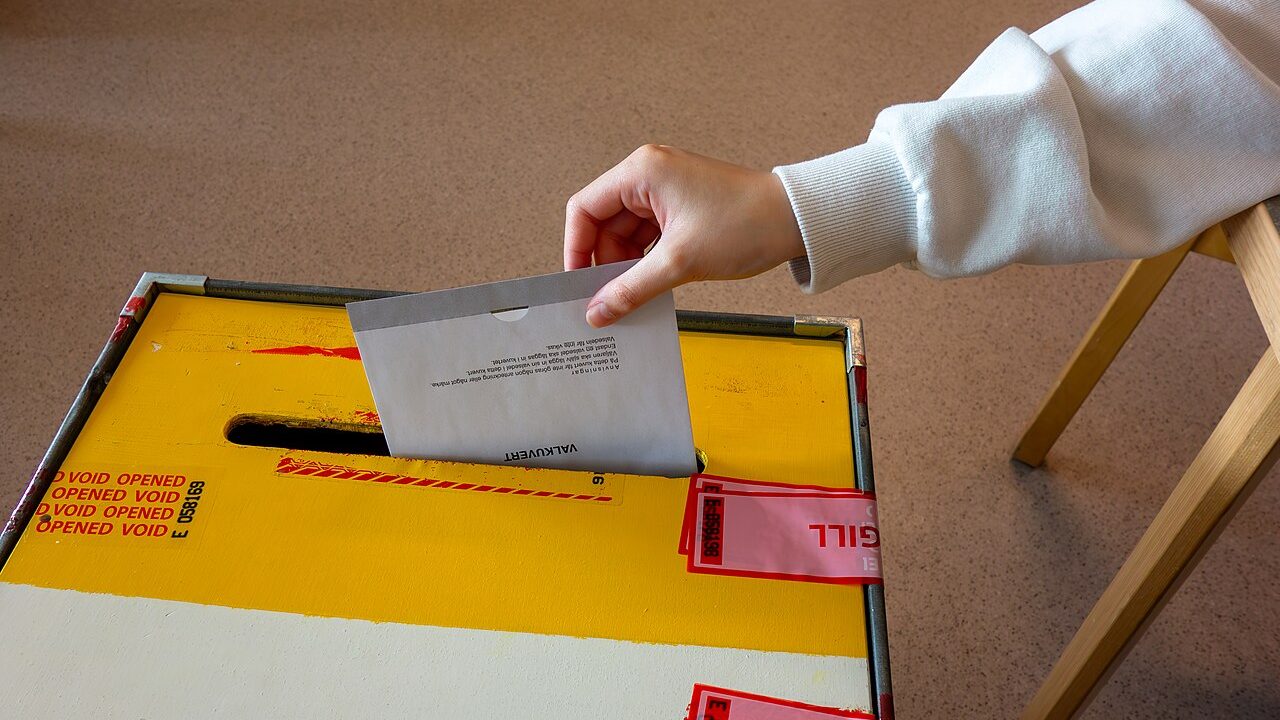
A recent nationwide survey conducted by the AP-NORC Center highlights a significant concern among Americans regarding the security of their voting rights, indicating a climate of unease surrounding civil liberties.
What Happened
In the latest AP-NORC Center poll, 66 percent of respondents express that their right to vote is either facing a "major threat" or a "minor threat." This overwhelming sentiment underscores a pressing issue as Americans reflect on their democratic rights amid evolving political landscapes. The findings reveal a stark awareness of potential challenges to electoral participation and integrity.
The poll results suggest that citizens are increasingly alert to threats against their fundamental rights and may be motivated to advocate for reforms to protect those rights. Notably, 33 percent of participants, while still significant, did not perceive any threat to their voting rights. Further analysis of the survey indicates that specific demographics, particularly younger voters and marginalized communities, report higher levels of concern.
The timing of the poll coincides with a range of legislative discussions at both state and federal levels, focusing on electoral laws, voter ID requirements, and access to polling stations. Some notable legislative actions in recent years have stirred public debate, with critics arguing that such measures disproportionately affect minority and low-income voters.
The Context
The historical context of voting rights in the United States reveals a tumultuous journey marked by struggles for equality and access. The Voting Rights Act of 1965 was a landmark piece of legislation aimed at eliminating barriers to voting for African Americans, yet recent years have seen challenges and rollbacks of those protective measures. The Supreme Court's 2013 decision in Shelby County v. Holder weakened key provisions of the Act, leading to a wave of state-level laws perceived as restrictive.
In the broader geopolitical environment, concerns over electoral integrity are amplified by narratives surrounding misinformation and foreign interference. This atmosphere has fostered growing skepticism regarding the reliability of electoral mechanisms, leading to increased public scrutiny and calls for transparency in voting processes. The implications of these perceptions stretch beyond voting rights themselves, affecting the overall health of democracy in the U.S.
The Facts
- 66% of poll respondents believe the right to vote is under threat.
- 33% of participants feel their voting rights are secure.
- The demographic breakdown indicates heightened concern among younger and marginalized voters.
Devil's Advocate
While the poll findings indicate significant concern over voting rights, one could argue that such perceptions may be influenced by partisan agendas and media narratives. Critics of the polling methodology might contend that the framing of the questions could lead respondents toward a more alarmist view. Additionally, the possibility exists that individuals may misinterpret the implications of recent legislative changes as threats, rather than safeguards designed to enhance electoral integrity.
Why It Matters
The perception of voting rights under threat is critical as it could influence voter turnout and engagement in upcoming elections. If citizens feel their rights are compromised, they may become less likely to participate in the electoral process, potentially reshaping political landscapes. Furthermore, public fear may spur advocacy and activism aimed at safeguarding civil liberties, leading to unforeseen political shifts and legislative changes.
What Comes Next
- Monitor the introduction of new laws affecting voting rights and public reactions.
- Watch for corresponding advocacy efforts from civil rights organizations and grassroots movements.
- Assess how the public’s perception evolves as upcoming elections draw nearer and whether it translates into legislative action.
The Bottom Line
The evolving landscape of voting rights is fraught with public concern over perceived threats, which could have lasting effects on democratic participation and the political fabric of the nation.
Original Source: Just In News.
This report includes aggregated reporting, adversarial verification, and explicit analysis.
DECLASSIFIED SOURCE: The Hill - News