Jury Convicts Duane Davis in 1996 Tupac Shakur Murder
By NPR NewsA Las Vegas jury found Duane "Keffe D" Davis guilty of first-degree murder in the 1996 killing of Tupac Shakur, nearly 30 years after the event.
What Happened
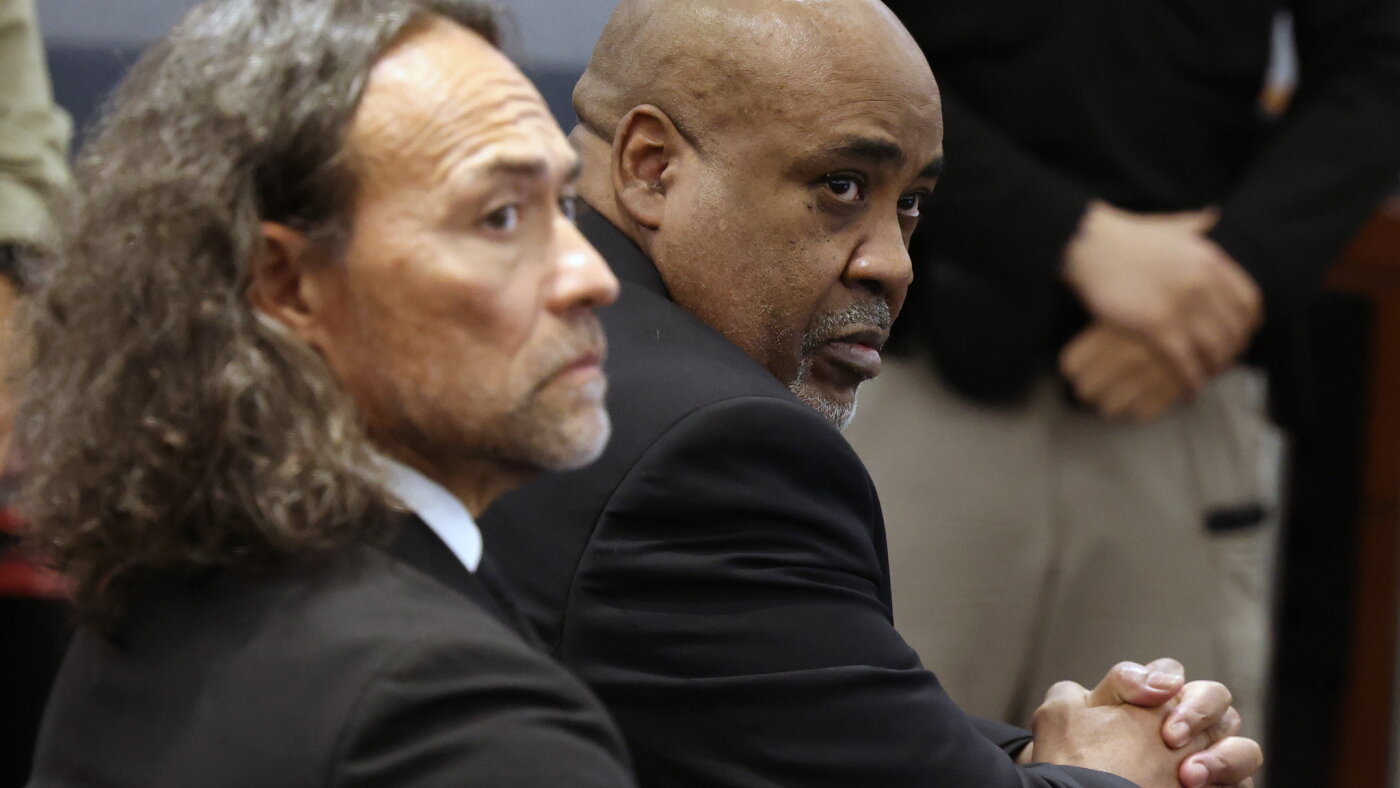
On August 31, 2026, a Las Vegas jury found 63-year-old Duane “Keffe D” Davis guilty of first-degree murder in connection with the 1996 killing of rap icon Tupac Shakur. The verdict was delivered after less than three hours of deliberation, according to ABC News, with the jury unanimously convicting Davis for “murder with the use of a deadly weapon with the intent to promote, further or assist a criminal gang.” Shakur was fatally shot on September 7, 1996, while a passenger in a black BMW driven by Death Row Records head Marion “Suge” Knight. The vehicle was reportedly stopped at a red light near the Las Vegas Strip when a white Cadillac pulled alongside and opened fire. Shakur succumbed to his gunshot wounds six days later in the hospital. Davis is the sole individual to be charged and convicted in this high-profile case, which remained unsolved for nearly three decades.
What the Evidence Establishes
Prosecutors presented substantial evidence linking Duane “Keffe D” Davis to the crime, primarily focusing on his own admissions. Key evidence included statements made in his memoirs and recorded interviews with law enforcement. In a 2008 interview with the FBI, conducted during an investigation into the killing of rapper Notorious B.I.G., Davis stated on tape that he recalled handing a gun to individuals in the backseat of a white Cadillac just before the drive-by shooting that killed Shakur and wounded Knight. Prosecutors alleged that Davis, identified as a longtime leader of a Los Angeles street gang, acted as the “shot caller,” planning the shooting in retaliation for his nephew, Orlando “Baby Lane” Anderson, being beaten by Shakur and his entourage at a Las Vegas casino. Chief Deputy District Attorney Binu Palal emphasized to jurors that even if Davis did not personally fire the weapon, he “plan[ned] the shooting in retaliation of the beating of his nephew.”
Where the Accounts Conflict
While the prosecution heavily relied on Davis’s own confessions, particularly his documentary and police interviews, there were points of contention regarding the use of his memoir, “Compton Street Legend.” Davis’s attorneys unsuccessfully argued to block the book’s inclusion as evidence, asserting that it was fictionalized and that, due to its co-authorship, it was impossible to definitively attribute specific portions to Davis. This defense strategy aimed to undermine the reliability of the book as a direct admission of guilt. However, prosecutors ultimately prioritized the recorded statements made by Davis to the FBI and in other interviews, which they deemed more direct and less susceptible to claims of fictionalization or shared authorship. The core conflict centered on the evidentiary weight and admissibility of the memoir versus the direct recorded confessions, with the jury ultimately swayed by the latter.
Context and Stakes
The conviction of Duane “Keffe D” Davis marks a significant development in one of the most notorious and long-unsolved murder cases in music history. For nearly 30 years, the killing of Tupac Shakur has fueled widespread speculation, conspiracy theories, and public fascination. The case’s resolution provides a definitive legal answer to a crime that has deeply impacted hip-hop culture and beyond. The motivation, as alleged by prosecutors, stemmed from a gang-related retaliation following an altercation where Shakur and his associates assaulted Davis’s nephew, Orlando “Baby Lane” Anderson. Anderson, along with the other two men allegedly involved in the shooting, are all deceased, making Davis the only surviving participant to face justice. This verdict closes a chapter on a case that has been a persistent symbol of unresolved violence within the music industry and urban communities.
What to Watch Next
Duane “Keffe D” Davis is scheduled for sentencing on October 13, 2026, at 10:30 a.m. in Las Vegas. Given the first-degree murder conviction with a deadly weapon and gang enhancement, Davis faces a maximum sentence of life in prison. Following the sentencing, attention will shift to potential appeals from Davis’s legal team. It is standard practice for convicted individuals to pursue appellate options, challenging aspects of the trial, evidence, or legal procedures. The defense’s previous arguments regarding the admissibility and reliability of Davis’s memoir could form the basis of an appeal. The legal process following the sentencing will determine the finality of this conviction and its long-term implications for Davis and the legacy of the Tupac Shakur murder case.
Bottom Line
The conviction of Duane “Keffe D” Davis for the first-degree murder of Tupac Shakur provides a legal conclusion to a nearly three-decade-old cold case. The jury’s swift verdict, based significantly on Davis’s own admissions in interviews and memoirs, establishes his role as the “shot caller” in the retaliatory drive-by shooting. This outcome closes a long-standing chapter in criminal justice and cultural history, marking the first and only conviction in the high-profile killing of the influential rap artist. While the verdict offers a definitive answer to who orchestrated the murder, the legal process will continue with sentencing and potential appeals, shaping the final legal legacy of this enduring case.
DECLASSIFIED SOURCE: NPR News (via Real-time Signal Upgrade)