Jensen Huang Requests Return as Nvidia CEO Amid National Security Probe
By Operative Telegram FeedFormer Nvidia CEO Jensen Huang seeks reinstatement following his resignation over alleged affairs with employees and a suspected Chinese intelligence agent.
What Happened
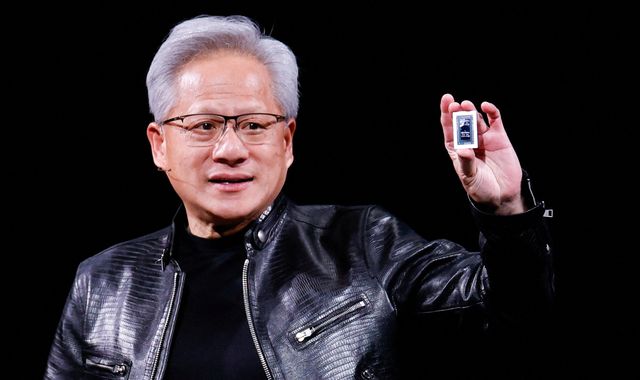
Former Nvidia CEO Jensen Huang issued a public statement on Tuesday, November 17, 2026, expressing his willingness to return to the chief executive role if requested by the board of directors. Huang resigned last week following allegations that he engaged in affairs with two employees and an alleged Chinese spy. In his first public communication since stepping down, Huang admitted he made serious mistakes in his personal life and failed to meet the internal standards expected of Nvidia personnel. Despite these admissions, Huang claims he has received an outpouring of support from the company's customers, business partners, investors, and employees.
What the Evidence Establishes
Evidence confirms that Nvidia has engaged the law firm Wachtell Lipton to conduct a formal investigation into Huang's conduct. The probe specifically targets whether Huang's personal relationships compromised company secrets or US national security. Parallel to the internal probe, Nvidia has established a new national security committee to oversee its operations. A public petition supporting Huang's reinstatement has gathered 193,700 signatures. Additionally, US President Donald Trump commented on Monday that the possibility of Huang returning as the head of Nvidia is not a bad idea. These facts establish a divide between external pressure for Huang's return and internal corporate investigative processes.
Where the Accounts Conflict
A direct conflict exists between Jensen Huang's stated openness to return and the current position of the Nvidia board of directors. While Huang emphasizes a broad base of support from stakeholders, a person familiar with the matter told CNBC on Monday that the board is not considering his return. According to this source, the directors are focused exclusively on the investigation into Huang's behavior and are not engaged in any discussions regarding his reinstatement. The source spoke on condition of anonymity, contrasting with Huang's public claims of an outpouring of calls for his return. The sources do not provide details on which specific investors or partners are leading the push for his return.
Context and Stakes
The stakes involve the integrity of US export bans on high-end AI semiconductors. The allegation that Huang had a relationship with a Chinese spy raises critical questions about how Nvidia's premier chips reached China in violation of US trade restrictions. Because Nvidia provides the primary hardware infrastructure for global AI development, any compromise of its secrets represents a systemic risk to US technological superiority. This situation occurs as the US government prepares to implement further restrictions on China's access to powerful AI chips. The outcome of the Wachtell Lipton probe will determine if Huang's actions constitute a legal breach of national security or a private lapse in judgment.
What to Watch Next
The primary trigger for future movement is the completion of the Wachtell Lipton investigation. If the firm finds evidence that company secrets were leaked to Chinese intelligence, any chance of Huang's return is effectively zero and could lead to criminal referrals. Conversely, if the probe finds no evidence of corporate espionage, the pressure from 193,700 petitioners and the public endorsement from President Trump may force the board to reconsider. Observers should also monitor the new national security committee's first set of policy changes, as these will signal how aggressively Nvidia intends to distance itself from the previous administration's lapses.
Bottom Line
Jensen Huang is attempting a public campaign to regain control of Nvidia by leveraging investor and political support, but he faces a board that is currently prioritizing a legal investigation over leadership stability. The core of the issue is not the personal nature of the affairs, but the potential for espionage and the violation of US export laws. If the probe confirms that Nvidia's premier chips entered China via Huang's personal connections, the company faces severe regulatory penalties and potential federal prosecution. Until Wachtell Lipton delivers its findings, the board is unlikely to yield to the external petition or political suggestions.
DECLASSIFIED SOURCE: Operative Telegram Feed