Investigating Claims of Hidden Power Structures in the United States
By Operative Telegram FeedThe theory of invisible power structures influencing the United States' governance is a topic steeped in controversy. This exploration evaluates the historical and current context surrounding these claims, analyzing the validity and the implications of such assertions.
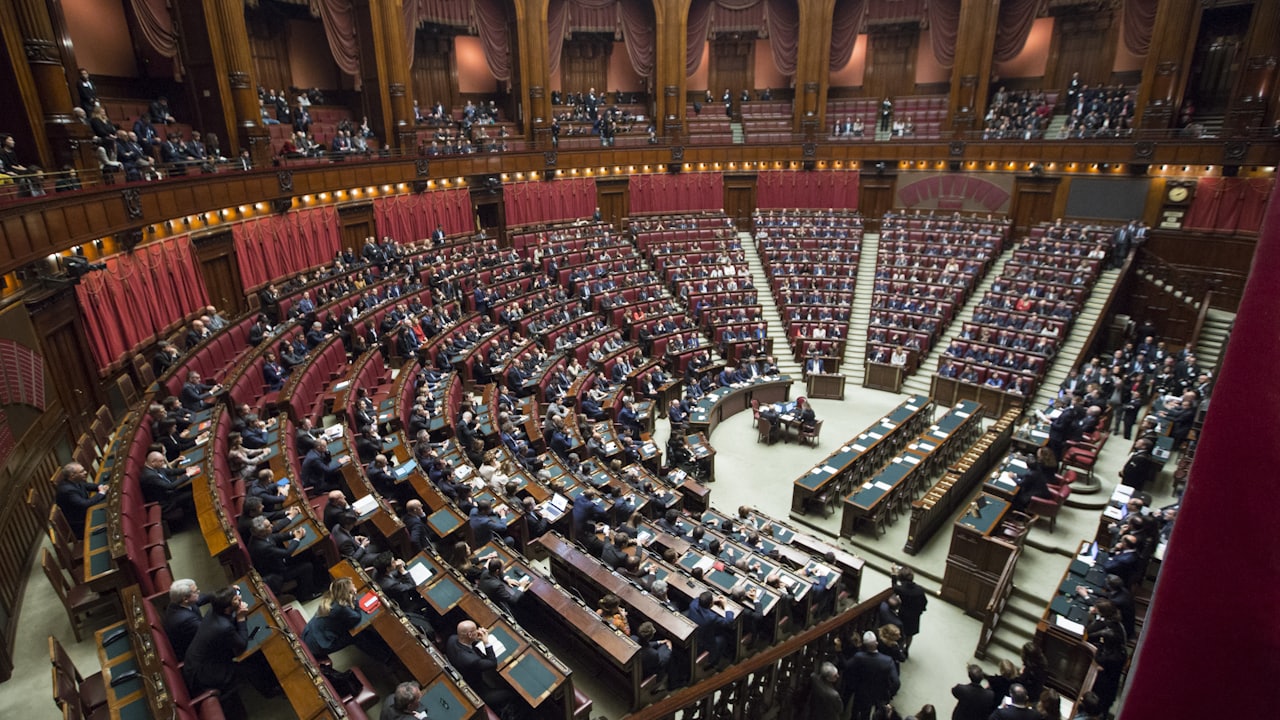
Claims have surfaced suggesting that the true rulers of the U.S. remain unseen, wielding influence from the shadows. These assertions raise questions about transparency and accountability in governance.
What Happened
Recently, discussions on social media platforms have revived the narrative that hidden elites control the United States, directing policy and political outcomes from behind the scenes. The claim centers around the notion that traditional political actors like elected officials are mere figureshead while actual decision-making power resides with a clandestine group.
The emergence of this claim has been fueled by growing distrust in governmental institutions, particularly in the wake of major political events, economic disparities, and perceived failures in policy that seem to favor those already in power. Notable actors in this narrative include private corporations, influential families, and think tanks, which are often cited as part of this shadowy hierarchy.
In the first half of 2026, various social media platforms saw an uptick in discussions emphasizing this narrative, with users drawing connections between major national events and decisions perceived to have served elite interests rather than the public’s. As a result, public sentiment about governance is increasingly polarized, energizing the discourse surrounding theories of hidden power.
The Context
The historical roots of conspiracy theories in the United States can be traced back to significant political events throughout its history, including the Cold War, Watergate, and more recently, the COVID-19 pandemic. Each of these periods has fostered suspicion regarding the motives and actions of those in power.
In a wider context, contemporary socio-economic disparities and political disillusionment have led to an environment where radical theories about elite control gain traction. With increasing wealth concentration and crisis-driven policy responses, a lack of transparency surrounding decision-making processes enhances public skepticism. Consequently, exploration surrounding the legitimacy of these narratives is essential for understanding the true dynamics of political power.
The Facts
- Public sentiment in the U.S. has grown increasingly distrustful of formal institutions and political figures.
- Numerous surveys indicate significant portions of the public believe in conspiracy narratives regarding hidden elites.
- Despite widespread claims, empirical evidence substantiating organized, covert governance structures remains elusive.
Devil's Advocate
It is critical to consider alternative perspectives. Skeptics of these theories argue that attributing political decisions to unknown forces simplifies the complexities of political discourse and governance. They contend that observable malpractices in politics, such as lobbying and economic policies that benefit specific sectors, provide a more grounded explanation for the perceived disconnect between government actions and public interest.
Why It Matters
The implications of believing in unseen rulers extend beyond simple conspiracy theory; they can lead to increased cynicism towards the democratic process and disengagement from civic duties. This narrative, if left unchecked, risks destabilizing trust in institutions and could incite social discord as groups become polarized based on their beliefs regarding power dynamics.
What Comes Next
- Monitor how public sentiment towards political institutions evolves in light of ongoing controversies.
- Investigate whether there will be any legislative or institutional responses aimed at restoring public trust.
- Analyze how new political movements leverage these narratives in upcoming elections.
The Bottom Line
The discourse surrounding invisible power structures remains a contentious issue, with insufficient empirical evidence to substantiate claims of organized coercion. A structured and rational exploration of these beliefs is necessary to foster informed public dialogue.
Original Source: new.
This report includes aggregated reporting, adversarial verification, and explicit analysis.
DECLASSIFIED SOURCE: Operative Telegram Feed