USS Abraham Lincoln Docks in Thailand After Record 200-Day Deployment
By Operative Telegram FeedUSS Abraham Lincoln arrived in Thailand after 200+ days at sea, a modern record, amid mental health concerns. The port call offers R&R and an economic boost to Pattaya.
What Happened
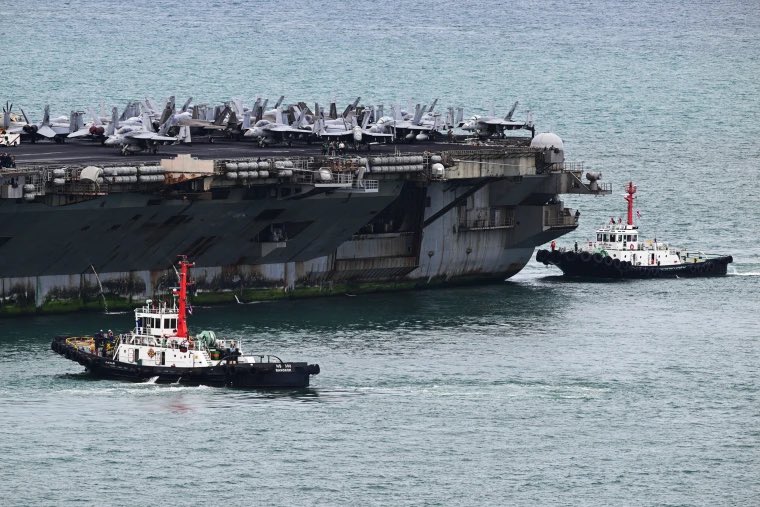
The U.S. Navy aircraft carrier USS Abraham Lincoln arrived at Laem Chabang, Thailand, on Wednesday morning, September 2, 2026, marking its first port call in over eight months. This deployment saw the vessel spend more than 200 consecutive days at sea, including an extended operational period in the Middle East. The carrier, which hosts approximately 5,000 sailors and Marines, has reportedly set a modern-day record for continuous time at sea, a duration that has prompted concerns regarding crew mental health and onboard conditions. The five-day stop in Thailand, a crucial U.S. treaty partner in mainland Southeast Asia, is designated for rest and recuperation. Local Thai officials and businesses in the nearby resort city of Pattaya anticipate a significant economic boost from the influx of military personnel, despite the city's known association with the illegal sex industry.
What the Evidence Establishes
The deployment of the USS Abraham Lincoln has established a modern-day record for consecutive days at sea for a U.S. naval vessel, a fact noted by Democratic lawmakers. Naval deployments typically range from six to nine months, but can be extended during periods of conflict. Reports indicate growing concerns regarding the mental health and deteriorating conditions among the roughly 5,000 personnel aboard the carrier due to the prolonged duration. In preparation for the influx of military personnel, Pattaya Mayor Poramase Ngampiches announced that a fleet of around 40 buses would transport personnel between the port at Laem Chabang and Pattaya. Specific prohibitions have been issued, barring personnel from engaging in "all kinds of water sports, jet skiing, bungee jumping, wrestling, and boxing." Local police have also increased patrols and conducted raids in Pattaya's nightlife district, detaining 40 to 50 individuals for suspected prostitution over the weekend, despite the industry being illegal but openly visible in major Thai tourism hubs.
Where the Accounts Conflict
The primary source, Defense News, presents a largely unified account of the USS Abraham Lincoln's port call. However, subtle distinctions exist in emphasis. While the article states "reports of mental health concerns and deteriorating conditions aboard," it does not attribute these reports to specific individuals or official statements, leaving the precise origin and scope of these concerns somewhat generalized. Similarly, the claim that the Lincoln "has set a modern-day record for consecutive days at sea" is attributed to "Democratic lawmakers," rather than an official Navy statement or independent verification. This suggests that while the duration is fact, the "record" designation and the severity of mental health impacts are presented through specific lenses, potentially reflecting political or advocacy interests rather than a neutral operational assessment. There is no direct counter-narrative presented within the provided text, but the framing of these specific details indicates areas where different stakeholders might offer varied interpretations or additional data.
Context and Stakes
The extended deployment of the USS Abraham Lincoln underscores the persistent operational demands placed on the U.S. Navy, particularly in strategically vital regions like the Middle East and Southeast Asia. The duration of over 200 days at sea, exceeding typical deployment lengths, highlights potential strains on personnel readiness and welfare, which can have long-term implications for retention and morale across the fleet. Thailand's role as the only U.S. treaty partner in mainland Southeast Asia makes this port call significant for regional alliances and projecting American presence. Economically, the arrival of 5,000 military personnel is a substantial event for Pattaya, a city heavily reliant on tourism. The local authorities' actions, including busing arrangements and prostitution crackdowns, reflect an attempt to manage the social and economic impacts, balancing the anticipated financial boost with maintaining public order and adhering to local laws, even as the sex industry remains visibly active despite its illegality.
What to Watch Next
Observers will monitor the immediate impact of the five-day rest and recuperation period on the morale and readiness of the USS Abraham Lincoln's crew. Any official statements from the U.S. Navy regarding the reported mental health concerns or the specifics of the "modern-day record" deployment will be significant. Locally, the economic effects on Pattaya, particularly the extent of the "economic boost" and any subsequent social issues arising from the influx of personnel, will be closely watched by Thai officials and businesses. Future U.S. naval deployment schedules and policies regarding extended sea periods may be influenced by this record-setting mission, potentially leading to adjustments in operational tempo or increased focus on sailor welfare programs. The effectiveness of local law enforcement's efforts to manage the social environment in Pattaya during the port call will also be a point of interest.
Bottom Line
The USS Abraham Lincoln's port call in Thailand, following an unprecedented 200-plus days at sea, underscores the intense operational tempo demanded of the U.S. Navy and the resultant pressures on its personnel. This record-setting deployment has brought to light concerns about sailor welfare and mental health, making the five-day recuperation period in Laem Chabang and Pattaya critically important for the crew. Concurrently, the arrival provides a substantial, albeit temporary, economic stimulus to the Thai resort city, highlighting the complex interplay between military logistics, international alliances, and the social and economic dynamics of host communities. The event serves as a tangible example of the multifaceted challenges and benefits inherent in sustained global naval presence.
DECLASSIFIED SOURCE: Operative Telegram Feed (via Real-time Signal Upgrade)