'I buried my parents one day after the other' - Ebola mourners learn how to grieve safely
By BBC - WorldAs the Ebola outbreak continues, families face the despair of losing loved ones in rapid succession while adhering to strict public health measures that deny them traditional mourning practices.
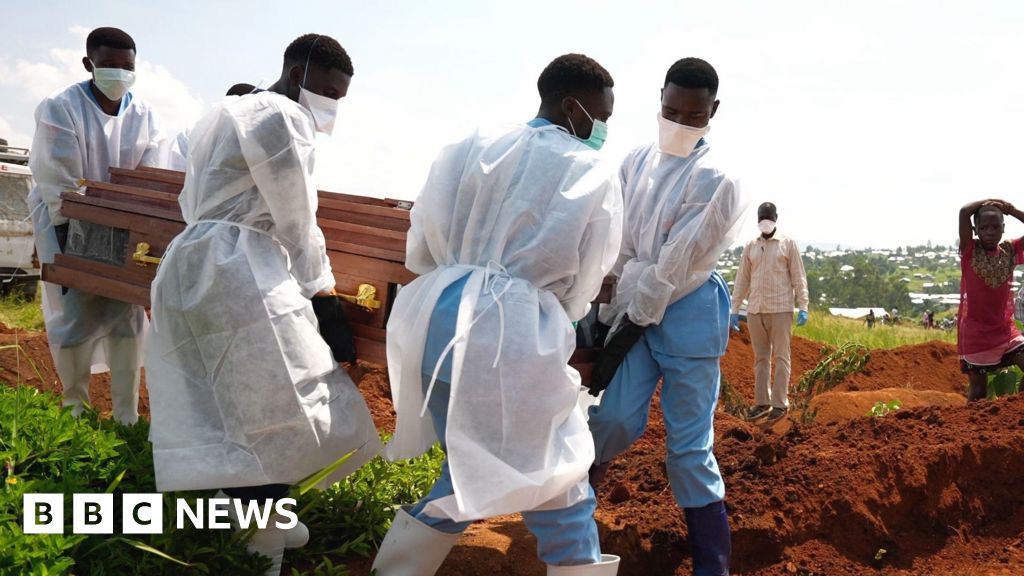
As families mourn the rapid losses due to the ongoing Ebola outbreak, traditional mourning practices have been disrupted, fostering a complex emotional landscape.
What Happened
The Ebola outbreak has resulted in unprecedented loss for families, with some reporting that they buried multiple relatives, sometimes within days of each other. Community health regulations, designed to prevent further spread, have mandated significant changes to traditional funerals, which are now limited to smaller gatherings, impacting how individuals process their grief.
The Context
The disease can lead to high fatality rates and is transmitted through bodily fluids, necessitating strict measures during burial and mourning. Cultural practices around death in the region typically allow for large gatherings, which are now largely prohibited. The emotional toll of this change on the bereaved is immense, as they navigate their loss under public health scrutiny.
The Facts
- A cemetery at the center of the Ebola outbreak is filling rapidly as deaths increase.
- Families are limited to smaller, private burials to comply with health guidelines.
- Details about the overall impact on community mental health remain unconfirmed.
Devil's Advocate
While the health protocols aim to control the Ebola outbreak, critics argue that these measures can exacerbate the psychological burdens on grieving families. The lack of traditional rituals may lead to unresolved grief and a sense of isolation among mourners.
Why It Matters
Coping with loss in times of public health crises not only impacts individual mental health but can ripple through the community, affecting social cohesion and recovery efforts after the outbreak.
What Comes Next
- The effectiveness of alternative mourning practices implemented under health guidelines.
- The long-term psychological effects on families and communities affected by the outbreak.
- Changes in health policy regarding funeral practices as the situation evolves.
The Bottom Line
The interplay of grief and public health measures presents significant challenges for affected families, emphasizing the need for supportive interventions during such crises.
Original Source: BBC News.
This report includes aggregated reporting, adversarial verification, and explicit analysis.
DECLASSIFIED SOURCE: BBC - World