Nvidia CEO Huang Resigns Amid Security Probe Into China-Linked Relationships
By Operative Telegram FeedJensen Huang stepped down Nov. 12 after reports of affairs with a Megaspeed executive under federal investigation and two Nvidia subordinates; security chief departed in August.
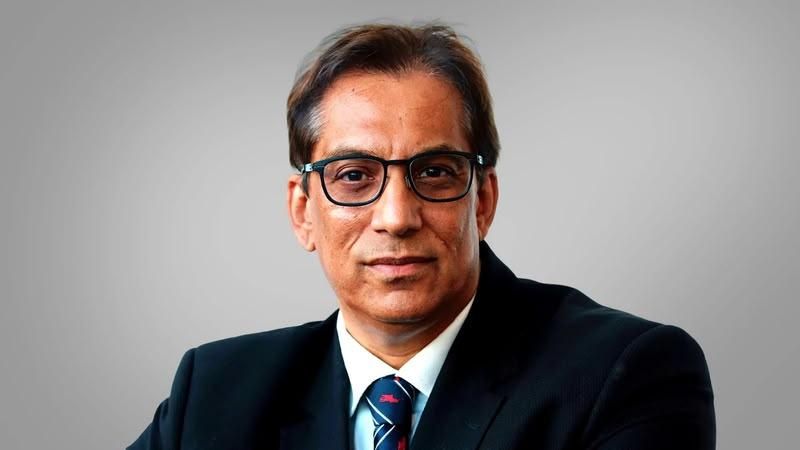
What Happened
Nvidia co-founder and CEO Jensen Huang resigned on November 12, 2026, after reports surfaced linking him to a series of personal relationships that triggered national security scrutiny. According to TechCrunch, the relationships began with an executive at Megaspeed, a Singapore-based data center company that U.S. investigators suspect of funneling Nvidia graphics processors to China in violation of export controls. The Wall Street Journal and Reuters subsequently reported two additional affairs with Nvidia employees, including a vice president who reported directly to Huang. The departure followed the August 2026 exit of David Reber, Nvidia's chief security officer of four years, who cited a young-onset Parkinson's diagnosis. Reber's replacement, Saša Zdjelar, joined from ReversingLabs after 17 years at ExxonMobil and one year at Salesforce. Nvidia's board has launched an independent investigation, and federal inquiries into Megaspeed's alleged chip diversion continue. Huang had been among the semiconductor industry's most visible advocates for maintaining access to the Chinese market, arguing that export restrictions would accelerate China's domestic chip development.
What the Evidence Establishes
Multiple independent outlets confirm Huang's resignation date of November 12, 2026. TechCrunch reports that Nvidia's top legal counsel engaged with the government's Megaspeed inquiry more than a year before Huang's departure, indicating the company had prolonged visibility into the federal investigation. The New York Times cited five Nvidia employees confirming Huang's relationship with a direct-report vice president; Reuters, citing two sources, confirmed a second internal relationship. Megaspeed has denied wrongdoing. Reber's LinkedIn announcement in late August 2026 explicitly disclosed his Parkinson's diagnosis and framed his departure as health-driven; no public evidence links his exit to the Megaspeed matter. Zdjelar did not respond to TechCrunch's questions about the transition or what the security team knew. Former senior intelligence officer Nicholas Eftimiades, who has trained over 1,000 corporate security professionals, stated that intelligence services often cultivate multi-year relationships with executives and that IMSI catchers — cell-tower spoofing devices costing as little as $1,000 — have factored in recent Chinese espionage cases. Eftimiades estimated U.S. intellectual property losses to Chinese operations in the trillions of dollars.
Where the Accounts Conflict
The central conflict lies in what Nvidia's security apparatus knew and when. TechCrunch notes that relationships between a CEO and employees typically fall to HR, legal, and the board — not security — yet security specialists argue any affair can give foreign intelligence leverage over an executive who wants it kept quiet. Eftimiades said security teams are often underfunded because they do not drive revenue, and that CEOs frequently answer warnings with "not a nickel more than compliance." Don Aviv and Jeremy Hurewitz, writing in The Hill, argued corporate security remains overly focused on facilities and cyberattacks rather than insider threats and cultivation by foreign services. It is unclear whether Reber's or Zdjelar's role changes connect to the Megaspeed investigation; nothing public establishes a link. The IOL opinion piece by Dr. Iqbal Survé states that espionage allegations involving Alice Huang — described as a businesswoman suspected by U.S. authorities of links to Chinese intelligence — have not been independently verified. The Survé piece also frames Huang's China-market advocacy as a commercial position, while TechCrunch's reporting suggests the Megaspeed relationship placed Huang in direct proximity to a federal export-control target. These framings are not mutually exclusive but emphasize different causal chains: one commercial, one security-driven.
Context and Stakes
Nvidia's processors underpin the global AI infrastructure build-out, making the company a strategic asset in the U.S.-China technology competition. The Biden administration's October 2022 export controls, tightened in October 2023 and again in 2024, restrict high-end AI chip shipments to China; Megaspeed's alleged diversion would constitute a direct violation. Huang had publicly opposed further restrictions, arguing they would benefit Chinese competitors like Huawei and Cambricon. His resignation removes the industry's most prominent China-engagement advocate from the CEO seat at a moment when the Commerce Department is considering additional curbs on AI model weights and cloud access. The board's independent investigation and federal probes could result in enforcement actions against Nvidia if the company is found to have facilitated diversion, knowingly or not. Zdjelar's background in energy and cybersecurity — but not semiconductor export compliance — raises questions about whether Nvidia's security posture matches its geopolitical exposure. Eftimiades' assessment that U.S. industry is "mostly clueless" about Chinese intelligence tactics suggests the Huang episode may catalyze broader corporate governance reforms across the defense-industrial base.
What to Watch Next
The board's independent investigation, reportedly underway, will determine whether Huang's relationships violated Nvidia's code of conduct or created material security risks. The code of conduct does not expressly prohibit CEO-subordinate relationships, per TechCrunch. Federal prosecutors' handling of the Megaspeed case will signal whether the government pursues corporate liability for chip diversion or limits charges to Megaspeed principals. Zdjelar's first public statements — or testimony if subpoenaed — will clarify what the security team knew about the Megaspeed inquiry and Huang's contacts. Nvidia's next quarterly earnings call, likely in late November 2026, will test investor confidence in the interim leadership structure; the company has not named a permanent successor. Commerce Department rulemaking on AI model weights and cloud computing access, expected before year-end, will reveal whether the Huang episode hardens U.S. policy. Any motion by Huang to re-enter public technology roles — through research, investment, or advisory positions — will test whether accountability measures satisfy stakeholders. Eftimiades' call for a "wake-up call" may translate into congressional hearings on corporate counterintelligence preparedness in early 2027.
Bottom Line
Jensen Huang's resignation exposes a governance gap at the apex of the AI hardware supply chain: a CEO with deep commercial ties to China maintained personal relationships that placed him adjacent to a federal export-control investigation, while the security leadership turned over months before the scandal broke. The evidence establishes that Nvidia's legal team engaged with the Megaspeed probe for over a year, that colleagues knew of Huang's internal relationships, and that the security team's visibility into these risks remains unverified. What remains unknown — and what the board investigation and federal inquiries must resolve — is whether Huang's conduct enabled technology transfer, whether Nvidia's compliance systems failed, and whether the company faces enforcement liability. The episode underscores Eftimiades' warning that U.S. corporate counterintelligence posture lags behind the threat. For Nvidia, the immediate stakes are leadership continuity and regulatory exposure; for the semiconductor sector, the case may reset expectations for executive vetting and security investment at firms whose products are strategic national assets.
DECLASSIFIED SOURCE: Operative Telegram Feed (via Real-time Signal Upgrade)