Senator McConnell Returns to Capitol Hill After Three-Month Absence
By Operative Telegram FeedSenator Mitch McConnell returned to the U.S. Senate on September 14, 2026, after a three-month absence due to a fall, casting his first vote since June 14.
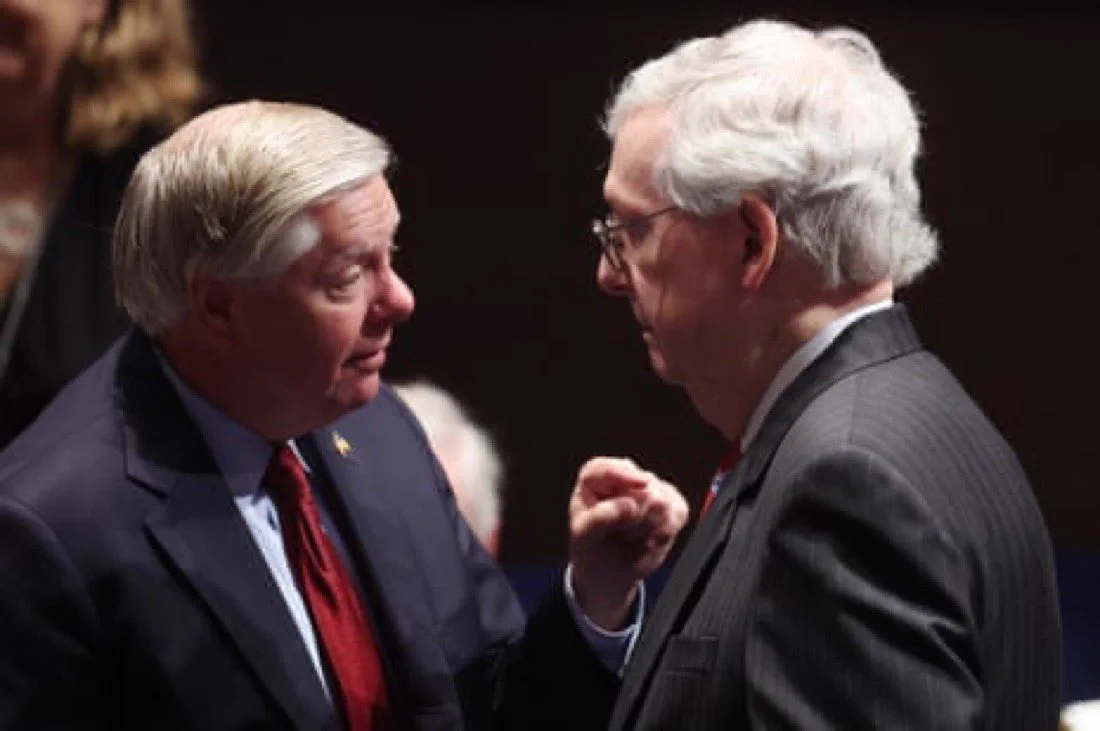
What Happened
Senator Mitch McConnell, a Republican from Kentucky, returned to Capitol Hill on Monday, September 14, 2026, marking his first appearance in the U.S. Senate after an absence of three months. His return followed a fall on June 14, which led to hospitalization and an extended period of physical therapy. McConnell issued a statement acknowledging his recovery process, stating, "Today, I’ll cast my first Senate vote since I took a bad fall back in June. I’m really looking forward to being back on the Senate floor and seeing my colleagues." He further elaborated on the challenges, noting, "My recovery has been a long and often frustrating process, and the lingering effects of childhood polio haven’t made it any easier." Footage captured by journalist Desiree Townsend showed McConnell exiting his Washington, D.C., residence in a wheelchair before entering a vehicle bound for the Capitol, accompanied by a police escort. This visual evidence was widely circulated, drawing significant attention to his physical condition upon his return.
During his prolonged absence, McConnell's office maintained a notable silence regarding his specific whereabouts and health status, a point highlighted by the Daily Caller News Foundation (DCNF). The DCNF had requested a video interview with the Senator on July 8, a request that staff acknowledged but did not fulfill by the time of his return. A press release from August 6 had announced his discharge from the hospital, but further details were scarce. The lack of transparency fueled speculation, with some commentators, including Alex Jones and Owen Shroyer on their respective Telegram feeds, drawing comparisons to the movie 'Weekend at Bernie’s' and questioning his fitness to serve, particularly given the need for a police escort to vote after 100 days of absence.
What the Evidence Establishes
The available evidence establishes that Senator Mitch McConnell was absent from the U.S. Senate for approximately three months, from June 14, 2026, until his return on September 14, 2026. His absence was directly attributed to a fall he sustained on June 14, which necessitated hospitalization and subsequent physical therapy. McConnell himself confirmed these details in a public statement, explicitly mentioning the fall and the "long and often frustrating process" of his recovery. He also disclosed that "the lingering effects of childhood polio haven’t made it any easier," providing additional context for his health challenges. His statement further indicated his intention to be present for "tough votes when our Conference needs me," despite not being "quite back to 100%."
Visual evidence, specifically footage from journalist Desiree Townsend, corroborates that McConnell required a wheelchair to exit his residence and a police escort for his transport to the Capitol on the day of his return. This observation aligns with his acknowledgment of ongoing physical therapy. Furthermore, the DCNF's reporting confirms that McConnell's staff did not provide detailed updates on his condition or whereabouts during his absence, nor did they fulfill interview requests. An exclusive DCNF investigation also revealed that McConnell's wife, Elaine Chao, was appointed to at least four Chinese government positions by Chinese Communist Party (CCP) officials since 2008, and reportedly did not disclose these during her January 2017 Senate confirmation hearing. This report also noted that Chao did not immediately return from a trip to China while McConnell was hospitalized, arguing it did not warrant an immediate return.
Where the Accounts Conflict
Significant discrepancies exist between official statements and certain public narratives regarding Senator McConnell's return and overall fitness. McConnell's own statement, released on September 14, 2026, presented his return as a determined effort to resume his duties, emphasizing his recovery progress and gratitude for well wishes. He explicitly stated his intention to participate in key votes, signaling a return to active legislative engagement. This official account frames his return as a personal triumph over health challenges, with a commitment to his constituents.
In contrast, several social media accounts, including those from Alex Jones and Owen Shroyer, propagated a narrative that questioned McConnell's capacity to serve. Jones's Telegram feed, for instance, directly compared McConnell's return to the movie 'Weekend at Bernie’s,' implying a lack of genuine agency or severe incapacitation. Shroyer and Nick Sortor echoed this sentiment, highlighting the need for a police escort and the duration of his absence as evidence that he was "in NO shape to be a US Senator." These accounts suggest that McConnell's public appearance was orchestrated, rather than a genuine return to full functionality. The official narrative focuses on recovery and duty, while the alternative narrative emphasizes perceived frailty and potential manipulation, creating a stark conflict in the interpretation of the same event.
Context and Stakes
Senator Mitch McConnell's return to the Senate carries substantial political weight, given his long-standing role as a prominent Republican leader. His prolonged absence created a vacuum in leadership and raised questions about the stability of the Republican Conference, particularly during periods requiring critical votes. His presence is crucial for party cohesion and strategic legislative maneuvering, especially in a closely divided Senate. The scrutiny surrounding his health is not merely personal; it directly impacts the operational capacity and political leverage of his party. A leader's perceived frailty can embolden opponents and create internal challenges to authority, potentially affecting legislative outcomes and future leadership contests within the Republican ranks.
Furthermore, the DCNF's exclusive report regarding Elaine Chao, McConnell's wife, adds a layer of geopolitical and ethical complexity to the situation. The revelation of her undisclosed appointments to Chinese government positions by CCP officials since 2008, and her failure to disclose these during her 2017 Senate confirmation hearing, raises significant concerns about potential conflicts of interest and transparency. Her decision not to immediately return from China during McConnell's hospitalization further amplifies these questions. These details could invite increased scrutiny from ethics committees, intelligence agencies, and political opponents, potentially diverting attention and resources from legislative priorities and casting a shadow over McConnell's final years in public service. The stakes involve not only McConnell's individual political future but also the broader implications for U.S. national security and political integrity.
What to Watch Next
Observers will closely monitor Senator McConnell's immediate legislative activity and public appearances following his return. His voting record, particularly on contentious issues, will be scrutinized to assess his engagement and influence. Any further absences or visible signs of health struggles could reignite questions about his long-term capacity to serve effectively. His interactions with Leader Thune and other Republican colleagues will also provide insight into the internal dynamics of the Conference and whether his leadership position remains unchallenged. A key indicator will be his participation in press conferences or interviews, which would offer a more direct assessment of his cognitive and physical presence beyond prepared statements.
Beyond McConnell's personal performance, the revelations concerning Elaine Chao's undisclosed Chinese government appointments warrant significant attention. Watch for any official responses from McConnell's office, the Senate Ethics Committee, or relevant intelligence bodies regarding these allegations. The DCNF's report could trigger formal inquiries or demands for greater transparency, potentially leading to public hearings or investigations into foreign influence. The timing of these revelations, coinciding with McConnell's health challenges, could amplify their political impact. Additionally, any public statements or actions from Elaine Chao herself, particularly concerning her past roles or current ties to China, will be critical to observe as the story develops.
Bottom Line
Senator Mitch McConnell has officially returned to the U.S. Senate after a three-month absence due to a fall and subsequent recovery, casting his first vote since June 14, 2026. His return, marked by a public statement acknowledging his health challenges and ongoing physical therapy, was visually confirmed by his use of a wheelchair and a police escort to the Capitol. This event concludes a period of significant speculation regarding his health and capacity to serve, which was fueled by his office's limited transparency and critical commentary from some media figures.
However, his return is immediately complicated by an exclusive report detailing his wife, Elaine Chao's, undisclosed appointments to Chinese government positions by CCP officials since 2008, and her failure to disclose these during her 2017 Senate confirmation hearing. This revelation introduces significant ethical and geopolitical questions, potentially leading to increased scrutiny and investigations. While McConnell has resumed his duties, the confluence of his health status and the allegations against his wife ensures that both his personal capacity and the integrity of his family's foreign ties will remain under intense public and institutional examination.
DECLASSIFIED SOURCE: Operative Telegram Feed (via Real-time Signal Upgrade)