FIFA Confirms Cyberattack, 'Limited' Data Accessed Amid Leadership Scrutiny
By Operative Telegram FeedFIFA confirms a cyberattack accessed 'limited' personal and business data. Handsome Boy Hacking Club claims 12GB leak. Breach occurs amid Infantino's re-election bid.
What Happened
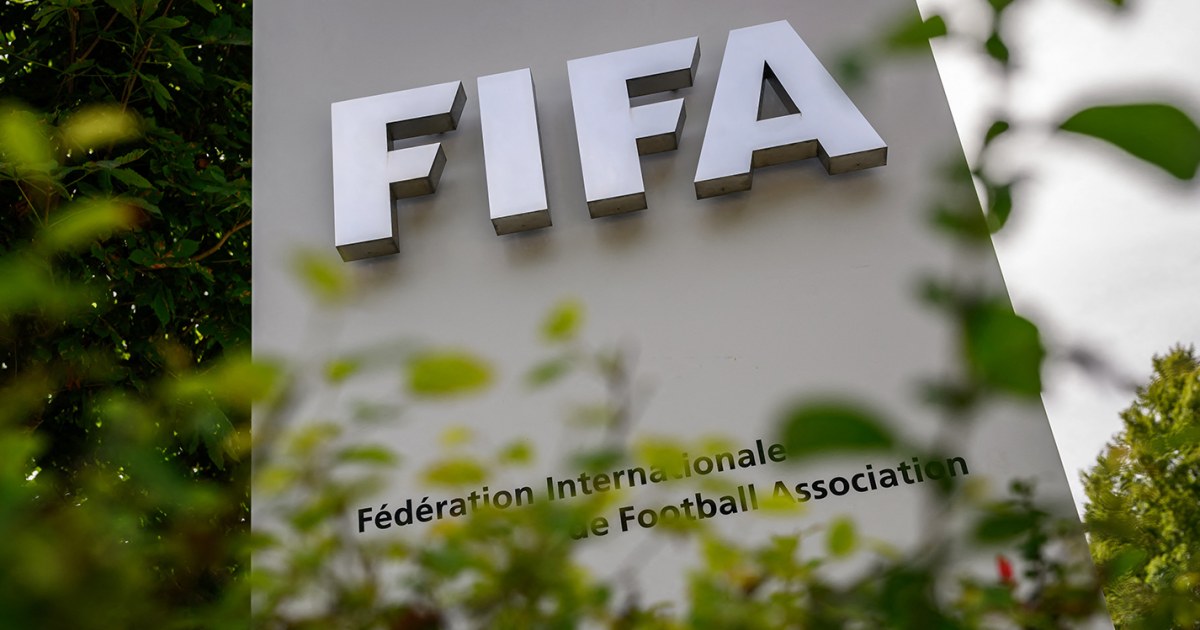
On Thursday, November 26, 2026, FIFA, soccer's global governing body, announced it had been the victim of a criminal cyberattack. The organization stated that hackers gained unauthorized access to a "limited set of personal and business information." FIFA did not disclose the exact date of the attack, the precise nature of the compromised data, or the number of individuals or organizations affected. In response, FIFA confirmed it is collaborating closely with relevant authorities, including law enforcement agencies, to investigate the incident. The breach became public shortly after a group identifying itself as the Handsome Boy Hacking Club posted a screenshot on X last week, claiming to possess FIFA files. Three days later, the same group appeared to take credit for the hack in response to a post alleging that over 12 gigabytes of internal documents had been leaked. FIFA issued a strong condemnation of what it termed the "unlawful acquisition and publication of information, particularly personal data," emphasizing that such actions constitute a "serious and unacceptable violation of privacy" with potentially significant consequences for those involved.
What the Evidence Establishes
The available evidence establishes that FIFA officially confirmed a cyberattack occurred, leading to unauthorized access to a subset of its data. Both Al Jazeera and Operative Telegram Feed, citing FIFA statements, corroborate that "personal and business information" was accessed. FIFA explicitly stated it is "working closely with the relevant authorities, including law enforcement." The Handsome Boy Hacking Club publicly claimed responsibility for the breach, posting a screenshot of alleged FIFA files on X and later appearing to confirm a leak of "more than 12 gigabytes of internal documents." A source with knowledge of the matter, cited by Reuters, indicated that less than 0.1 percent of FIFA's total data holdings were affected. Furthermore, a FIFA source informed The Athletic that the intrusion method involved impersonating staff, rather than a direct systems or technical failure. This incident unfolds while FIFA President Gianni Infantino faces scrutiny over past financial plans and seeks to extend his presidency until 2031, with an election scheduled for March 18, 2027.
Where the Accounts Conflict
While FIFA confirmed the cyberattack, specific details surrounding the incident present areas of conflicting or incomplete information. FIFA's official statements consistently describe the accessed data as a "limited set of personal and business information," and a Reuters-cited source suggested less than 0.1 percent of total data was affected. This contrasts with the Handsome Boy Hacking Club's claim of leaking "more than 12 gigabytes of internal documents," a volume that could be perceived as substantial depending on the nature of the data. FIFA did not specify the exact date the cyberattack took place, the precise types of information compromised, or the number of individuals impacted. Additionally, FIFA's reference to the "publication" of information did not clarify whether data had already appeared online or where it might be hosted. The method of intrusion is also detailed differently; while FIFA did not publicly state it, a FIFA source told The Athletic that the hackers gained access by "impersonating staff rather than a systems or technical failure," a detail not present in FIFA's public statements to The Associated Press or Al Jazeera.
Context and Stakes
The cyberattack on FIFA occurs at a critical juncture for the organization and its president, Gianni Infantino. Infantino, who has served an 11-year presidency, is currently campaigning for re-election on March 18, 2027, against candidates Kohzo Tashima of Japan and Philippe Diallo of France. He is considered the favorite, but this data breach could introduce unforeseen variables into the electoral process. The incident also follows a period of heightened scrutiny over Infantino's leadership, particularly his previously
What to Watch Next
Observers should monitor several key developments in the aftermath of the FIFA cyberattack. First, watch for any further public statements from FIFA that might provide more specific details regarding the scope of the breach, the types of data compromised, and the number of affected individuals. Such disclosures could be influenced by ongoing law enforcement investigations or regulatory requirements. Second, attention will be on the Handsome Boy Hacking Club; their past actions suggest the potential for additional data releases or further public claims, especially if their initial claims of a 12-gigabyte leak are challenged or not fully acknowledged by FIFA. Any subsequent data dumps could significantly escalate the situation. Third, the impact on Gianni Infantino's re-election campaign, set for March 18, 2027, will be crucial. His opponents, Kohzo Tashima and Philippe Diallo, may leverage the incident to question FIFA's security protocols and leadership effectiveness. Finally, watch for any official reports or findings from law enforcement agencies involved in the investigation, which could shed light on the perpetrators' identities and methods.
Bottom Line
FIFA has confirmed a cyberattack that resulted in unauthorized access to a "limited set" of personal and business information, with the Handsome Boy Hacking Club claiming responsibility for a 12-gigabyte data leak. The organization is cooperating with law enforcement, but key details regarding the attack's timing, specific data types, and full impact remain undisclosed by FIFA. This breach adds another layer of complexity to FIFA President Gianni Infantino's tenure, occurring amidst his re-election campaign and following past controversies over financial dealings. The incident poses significant reputational risks for FIFA, potentially undermining trust in its data security and leadership, particularly as the organization prepares for its presidential election in March 2027. The discrepancy between FIFA's characterization of a "limited" breach and the hacking group's claim of a substantial data leak highlights an ongoing narrative conflict that will likely continue to unfold.
DECLASSIFIED SOURCE: Operative Telegram Feed (via Real-time Signal Upgrade)