Europe Faces Winter LNG Battle Amid Record Low Gas Stocks and Hormuz Shipping Crisis
By OilPriceEurope's gas storage is at a two-decade low (66% full), requiring $8.1B in LNG purchases. The Strait of Hormuz crisis fuels a 68% shipping stock rally.
What Happened
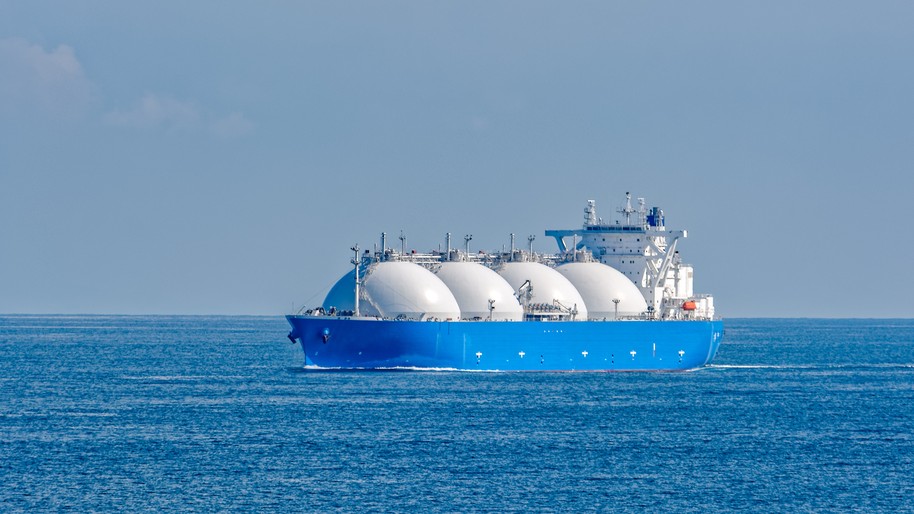
Europe is entering the winter season with its natural gas storage at the lowest levels in nearly two decades, currently at approximately 66% full. This precarious situation is largely attributed to a confluence of factors, primarily the ongoing conflict in the Middle East, which has severely impacted LNG supply from Qatar. Specifically, Qatari LNG cargoes have been blocked at the Strait of Hormuz, a critical global shipping chokepoint, since the
What the Evidence Establishes
The evidence establishes a clear and immediate challenge for European energy security. European Union storage sites are currently 66% full, a level significantly below the five-year average of over 80% for this time of year and the lowest in nearly two decades. To reach even its lowest storage target of 75% before December, Europe must acquire natural gas valued at over $8.1 billion at prevailing market prices, according to Bloomberg calculations. Go Katayama, a principal insight analyst for LNG at Kpler, explicitly stated to Bloomberg that "The potential for a global 'fight for fuel' is there, particularly in a colder winter."
Concurrently, the months-long crisis in the Strait of Hormuz has profoundly impacted the global shipping sector. A basket of 35 U.S.- and European-listed shipping stocks, tracked by Lloyd's List Intelligence, has collectively surged by approximately 68% year-to-date in 2026, outperforming the S&P 500 by more than five times. Over the past 12 months, this basket has climbed 82%. Crude-tanker stocks have led this rally, experiencing a 120% increase year-to-date. Specific companies have seen dramatic gains: Danaos Corp shares are trading at their highest since 2008 after a 60% surge this year, while Frontline PLC and Teekay Tankers have not been this expensive since 2011. BW LPG has reached a record high, and International Seaways hit an all-time high last week. The Breakwave Tanker Shipping ETF, which tracks near-dated crude-tanker forward freight contracts, has surged 650% since the Middle East war began in February and over 2,300% this year.
Where the Accounts Conflict
While there is broad consensus on the significant rally in shipping stocks and the impact of the Strait of Hormuz crisis, experts offer differing perspectives on the underlying drivers and the durability of these gains. John Kartsonas, founder and managing partner of Breakwave Advisors, which manages shipping ETFs, suggests that a "meaningful chunk of this premium is just fear pricing." He asserts that this component of the rally "will deflate fast the moment Hormuz looks normal again," implying that the current high valuations are not entirely sustainable and are heavily tied to geopolitical instability rather than fundamental demand shifts.
Conversely, J Mintzmyer, founder and president of Value Investor's Edge, presents a different view, arguing that the tanker and dry-bulk markets were "already primed for a strong 2026" even before the Middle East war. He attributes this pre-existing strength to a decade of underinvestment in the sector, suggesting that the Iran war merely "poured gasoline on the fire of an already strong market." This perspective implies a more robust, fundamental basis for the rally, which could persist beyond the immediate geopolitical crisis. Nicolas Tirogalas, CEO of Tufton Investment Management, further supports a longer-term impact, stating that even "if the Iranian conflict ends, the situation is unlikely to revert to the status quo before the war," as economies tend to diversify suppliers to manage future disruption risk, thereby sustaining demand for longer shipping routes.
Context and Stakes
The Strait of Hormuz, a narrow waterway between the Persian Gulf and the Gulf of Oman, is one of the world's most critical chokepoints for oil and natural gas shipments. Its disruption, stemming from the ongoing "Iran war" as cited by CNBC, has profound global implications. For Europe, the stakes are particularly high as it navigates a winter with historically low natural gas reserves. The absence of Qatari LNG from the market intensifies competition with Asia for a shrinking pool of available supply, driving up European benchmark prices to three-and-a-half-year highs. This energy insecurity could lead to significant economic strain, potential industrial slowdowns, and increased household energy costs if a colder-than-average winter materializes.
For the global shipping industry, the crisis has been a double-edged sword. While it has created massive disruption, forcing tankers onto longer routes and increasing insurance costs, it has simultaneously triggered an unprecedented rally in shipping stocks. This phenomenon, where geopolitical instability acts as a "hedge" for freight markets, as noted by Andreas Povlsen of Hayfin Capital Management, highlights the sector's sensitivity to global events. The increased "tonne-miles"—the distance cargo is transported—boosts demand for various vessel types, including oil and chemical tankers, dry-cargo bulkers, and gas carriers. However, the long-term sustainability of this rally remains a point of contention among market analysts, with some attributing a significant portion to "fear pricing" rather than genuine new demand for seaborne trade.
What to Watch Next
Observers should closely monitor the geopolitical developments surrounding the "Iran war" and its direct impact on the Strait of Hormuz. Any de-escalation or resolution of the conflict could swiftly alter the dynamics of global LNG supply and shipping routes. Specifically, the status of Qatari LNG cargoes currently blocked at the Strait will be a key indicator for European energy markets. The trajectory of European gas storage levels as the continent approaches December will also be critical; failure to reach adequate levels could trigger further price spikes and intensify the "fight for fuel" with Asian buyers.
Economically, the competition between Europe and Asia for spot LNG supply will be a significant factor. ING analysts Warren Patterson and Ewa Manthey noted that while netbacks currently favor Europe, competition is "likely to pick up" as the Northern Hemisphere winter approaches, especially if Qatari LNG remains absent. Investors should watch for shifts in LNG netbacks and spot prices. In the shipping sector, the performance of crude-tanker and gas-carrier stocks will indicate whether the rally is sustained by fundamental shifts in trade routes or if it begins to deflate as "fear pricing" subsides. Any announcements from the EU regarding emergency energy measures, diversification strategies, or new infrastructure projects to enhance LNG import capacity will also be important signals for market stability and long-term energy security.
Bottom Line
The ongoing geopolitical instability in the Middle East, particularly the disruption at the Strait of Hormuz, has created a critical energy supply challenge for Europe and a volatile, yet highly profitable, environment for the global shipping industry. Europe is facing its lowest natural gas storage levels in nearly two decades, necessitating substantial and urgent LNG purchases to avert a winter supply crunch. This demand is intensifying competition with Asian markets for a constrained global LNG supply, driving up prices.
Simultaneously, the rerouting of vessels and increased insurance costs due to the Hormuz crisis have propelled shipping stocks to multi-year highs, with crude tankers leading a significant market rally. While some analysts view this as a temporary surge driven by fear, others suggest it builds upon an already strong market foundation. The immediate future hinges on the resolution of the Middle East conflict and Europe's ability to secure sufficient gas supplies before the peak winter demand, with significant financial and economic implications for both energy consumers and the maritime logistics sector globally.
DECLASSIFIED SOURCE: OilPrice (via Real-time Signal Upgrade)