Biden's Enduring Spokesman: The T.J. Ducklo Controversy
By Washington TimesDespite a history marred by allegations of misconduct, T.J. Ducklo remains a contentious figure within the Biden administration, raising questions about accountability and the culture of political communications.
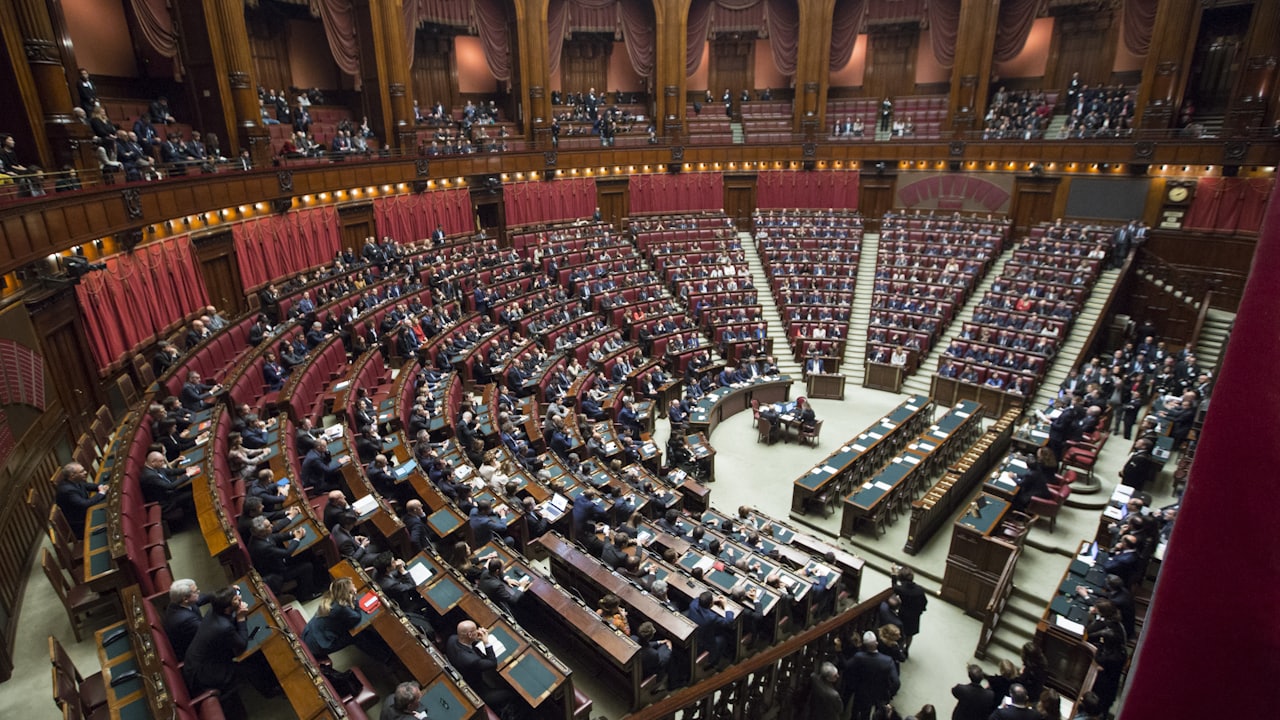
The Biden administration’s endurance in defending T.J. Ducklo, a spokesman tainted by allegations of bullying and sexual harassment, unveils deep-rooted issues regarding accountability and the permissiveness of misconduct within political communications.
With multiple reports outlining Ducklo's bullying tactics and a notable incident of sending sexual harassing messages to a female reporter, the official narrative surrounding his tenure seems to be one of steadfast resilience rather than swift accountability. This pattern not only raises eyebrows but also prompts a deeper investigation into how political figures are shielded from the repercussions of their actions within the tumultuous environment of Washington.
The Catalyst
The political climate during President Biden's campaign was fraught with challenges, not least of which involved maintaining a cohesive team amidst increasing scrutiny. Ducklo’s appointment was meant to reflect a commitment to progressive values and transparent communication. However, allegations swiftly undermined this attempt, suggesting that the administration may prioritize loyalty over ethical conduct.
Ducklo's conduct culminated in an explosive confrontation with political reporter Tara Palmeri. When confronted about his relationship with a fellow reporter, Ducklo allegedly retaliated with personal attacks, labeling Palmeri as a “gossip” and a “bad journalist.” This encounter was alarming, especially in the context of the #MeToo movement, which called into question workplace dynamics and the power imbalances that allow such behavior to fester.
Behind Closed Doors
The reverberations of Ducklo’s actions led to public outrage and an internal review within the Biden administration. Initial responses portrayed a willingness to address grievances, yet the reappointment of Ducklo after a brief media hiatus suggested otherwise. Ducklo was fired in February 2021 but resurfaced as a communications consultant shortly after, raising concerns over whether the administration had genuinely addressed the underlying issues of professional conduct.
Critics argue that utilizing Ducklo's expertise while allegedly ignoring his history sends a troubling message that misconduct can be overlooked if one is deemed essential to the political agenda. It reflects a broader trend in political spheres where charm and skill can overshadow ethical lapses, leading to a culture of impunity.
The Market Fallout
From a financial standpoint, the allegations surrounding Ducklo may not have immediate repercussions on markets, but they certainly emphasize the connection between public perception and political stability. As public trust may begin to erode due to ongoing controversies, investors should remain vigilant about the implications of such incidents for administration stability. A chaotic political environment often adversely affects markets as uncertainty can lead to volatility.
Moreover, the relationship between media outlets and the administration is critical for shaping narratives that can influence public sentiment and voting behavior. If such controversies persist unchecked, it could lead to increasing skepticism towards the administration, directly influencing policy decisions deemed unfavorable to the party line.
The Bottom Line
The situation regarding T.J. Ducklo not only exemplifies issues surrounding accountability and ethics in political communications but also serves as a benchmark for how political figures can navigate controversies in the public eye. This ongoing saga pushes the Biden administration’s commitment to ethical governance into the spotlight, amplifying calls for accountability.
Original Source: The Washington Times stories: Politics.
This report includes aggregated reporting, adversarial verification, and explicit analysis.
DECLASSIFIED SOURCE: Washington Times