Barclays Analyst Predicts Drop in Food Delivery Costs by 2030
By Zero HedgeBarclays projects that automation in food delivery could reduce costs to as low as $1 per order by 2030, potentially transforming the market.
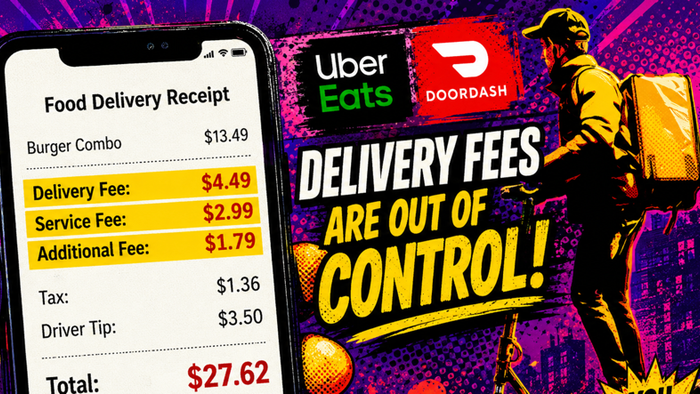
Barclays' latest analysis suggests that food delivery costs may plummet due to automation, changing consumer behavior and market dynamics.
What Happened
According to a recent note from Barclays internet equity analyst Ross Sandler, the costs of food delivery through services like Uber Eats and DoorDash could decrease significantly thanks to advancements in autonomous delivery technology. Current average delivery fees range from $8 to $10, but with automation, these could drop to as low as $1 per order by 2030.
The Context
As food delivery fees rise, many consumers find it increasingly expensive to order in. For example, a simple meal may climb in price when factoring in tips and delivery fees. The promise of automation in the last-mile delivery segment, especially through sidewalk delivery robots and drones, presents a potential solution to this issue, albeit with some technological and regulatory hurdles to overcome.
The Facts
- Current food delivery costs average $8 to $10 per order.
- Barclays projects these costs could decline to around $1 per order by 2030 due to automation.
- The adoption rate of these technologies and acceptance among regulators remain uncertain.
Why It Matters
If delivery costs decrease effectively, more consumers are likely to order food delivery. The anticipated economic shift could lead to a significant transformation in the food delivery landscape, making it accessible to a broader demographic.
What Comes Next
- Watch for updates on the technological developments in autonomous delivery solutions.
- The regulatory environment governing the deployment of delivery robots and drones is the biggest open question.
- Increased consumer acceptance could rapidly accelerate the adoption of these technologies.
The Bottom Line
Barclays' insights suggest a potentially transformative shift in food delivery economics by the end of the decade, driven by automation. However, various factors, including technological feasibility and regulatory challenges, will determine the pace of this change.
Source reporting: ZeroHedge News.
This report includes aggregated reporting and explicit analysis.
DECLASSIFIED SOURCE: Zero Hedge