Houthi Missile Strike Hits Riyadh Airport, Killing Dozen and Wounding Hundreds
By NPR NewsOn October 10, 2026, Iranian-backed Houthi rebels fired missiles at King Khalid International Airport in Riyadh, killing 12 people and wounding over 300, according to Saudi authorities.
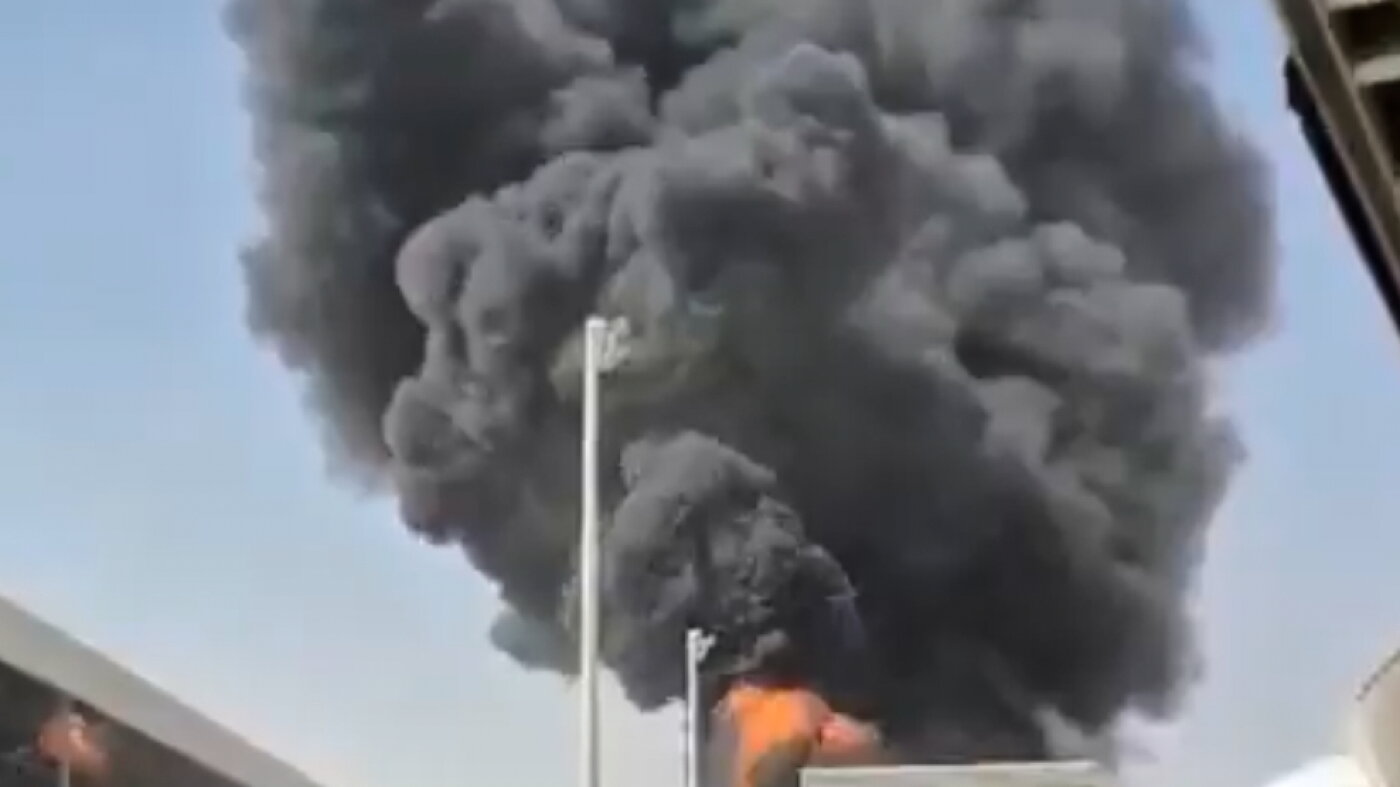
What Happened
On Saturday, October 10, 2026, Iranian-backed Houthi rebels launched missiles at King Khalid International Airport in Riyadh, killing 12 people and wounding over 300, according to Saudi authorities.
The dead included four Saudi citizens, two Bangladeshi nationals, a Palestinian, a U.S. citizen, an Egyptian, a Jordanian, a Syrian and a Sudanese.
Saudi officials said some of the injured were in critical condition and that the attack marked the latest in a series of strikes on the airport during the past week.
The attack involved two explosions that shook the major airport, with the Saudi Civil Aviation Authority confirming the strikes via a post on X and reporting that two passenger terminals were struck by missiles.
Prior to this incident, a separate attack on Thursday destroyed a passenger jet at the same airport and killed three people, according to the Wall Street Journal.
What the Evidence Establishes
The General Authority of Civil Aviation (GACA) announced: "On Saturday, October 10, 2026, corresponding to 29 Rabi Al-Thani 1488H, King Khalid International Airport was targeted by an attack, amid continued attacks targeting civil aviation facilities in the Kingdom."
GACA added: "The attack resulted in a number of injuries, which are currently being assessed."
President Donald Trump told reporters at the White House: "We may," Trump said. "We’re going to look at it. We just found out about the recent attack, so we’ll make a decision. We move very quickly."
The Wall Street Journal reported that Saudi officials closed the airport after the strike, noting that two passenger terminals were hit by missiles and that flights were temporarily suspended.
Earlier on Thursday, a different attack destroyed a passenger jet at King Khalid International Airport and resulted in three fatalities, as reported by the same journal.
Where the Accounts Conflict
Both NPR and the Daily Caller agree on the core casualty figures: 12 killed and over 300 wounded.
NPR’s report attributes the incident to Saudi authorities stating that an attack occurred, without specifying the perpetrator, while the Daily Caller explicitly identifies the launchers as "Iranian-backed Houthi rebels."
NPR describes the event as "the latest of several in the past week" on the airport, whereas the Daily Caller notes the airport "has come under attack at least two other times in the last week," a description that is substantively similar but phrased differently.
No substantive disagreement exists on the number of deaths, injuries, the temporary suspension of flights, or the damage to two passenger terminals.
Context and Stakes
The strike follows a Thursday attack that destroyed a passenger jet and killed three people at the same airport.
On February 28, 2026, the United States and Israel launched military strikes against Iran after negotiations over Tehran’s nuclear program collapsed.
Trump administration officials asserted that the June 2025 strike on multiple Iranian nuclear sites had "obliterated" the program, though they maintained Iran still posed a threat to the United States without offering specifics.
The New York Times reported on April 7, 2026 that, despite skepticism from officials including Vice President JD Vance, Trump was persuaded to authorize a military campaign against Iran after a February meeting at the White House with Israeli Prime Minister Benjamin Netanyahu.
Trump’s October 10 statement indicating a willingness to consider assisting a Saudi military response introduces the possibility of direct U.S. involvement in the unfolding conflict.
What to Watch Next
Monitor whether the Trump administration issues an official decision regarding military assistance to Saudi Arabia within the next 72 hours, as Trump signaled a rapid evaluation.
Watch for any further Houthi missile or drone launches targeting Saudi infrastructure, especially given the pattern of repeated attacks over the past week.
Observe the timeline for the resumption of flights at King Khalid International Airport; the Saudi Civil Aviation Authority has only announced a temporary suspension pending injury assessments.
Track crude oil prices, particularly Brent crude, for any immediate reaction to the heightened risk perception surrounding Saudi aviation and energy facilities.
Note diplomatic responses from other Gulf states and the United Nations, which may call for restraint or initiate investigations into the origin of the missiles.
Bottom Line
The October 10, 2026 missile strike on Riyadh’s King Khalid International Airport resulted in 12 fatalities and over 300 injuries, with victims spanning multiple nationalities.
Evidence from Saudi authorities, the GACA statement, Trump’s comments, and Wall Street Journal reporting confirms two explosions, damage to two passenger terminals, and a temporary flight suspension.
While sources differ slightly in attributing the launch to Houthi rebels versus a generic "attack," they converge on the casualty count and the broader context of repeated airport assaults.
The incident occurs amid recent U.S.-Israeli strikes on Iran and ongoing regional tensions, raising the prospect of increased U.S. engagement if Saudi Arabia requests defensive support.
Key developments to watch include a rapid U.S. policy decision, potential further Houthi actions, the timeline for airport reopening, and any impact on global oil markets.
DECLASSIFIED SOURCE: NPR News (via Real-time Signal Upgrade)