US Army Detonates 5 Tons of Lead Azide in Iowa, Raising Health Concerns
By NPR NewsThe US Army detonated 5 tons of unstable lead azide in Iowa, sparking concerns over potential health and environmental impacts from lead dust, with residents within 5 miles evacuated
What Happened
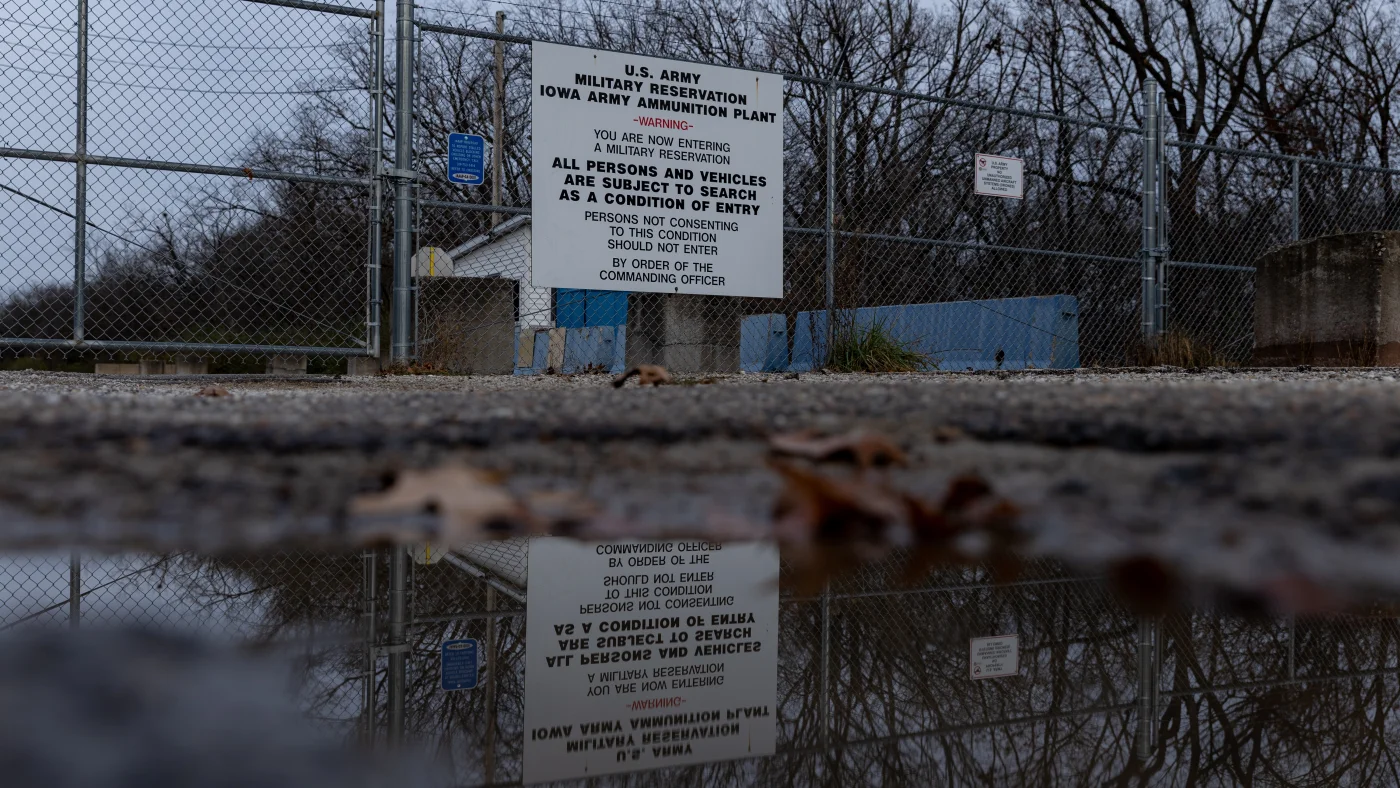
The US Army detonated approximately 5 tons of unstable lead azide at the Iowa Army Ammunition Plant in Middletown, Iowa, on November 25, 2026, at 9 a.m. local time. The controlled detonation was carried out by EOD techs after an Imminent Threat Alert was issued to residents within a 20-mile radius. The blast was initially planned for the previous Friday but was postponed three times due to public backlash and to allow for additional safety measures.
According to Maj. Gen. Eric Shirley, the Army's leader of the operation, 'inaction is no longer an option' due to the dangerously degrading bomb-making chemicals, which could have exploded at any time. The detonation was conducted with the aim of minimizing the risks associated with the unstable lead azide.
What the Evidence Establishes
The evidence establishes that the US Army's stockpile of lead azide, which was stored in 68 barrels at the Iowa Army Ammunition Plant, had partially crystallized, making it sensitive to friction and cold temperatures. This created a risk of spontaneous detonation, prompting the Army to assemble experts to formulate a plan for a controlled detonation.
According to Robert Cekada, director of the Bureau of Alcohol, Tobacco, Firearms and Explosives, the lead azide was brought to the Iowa location from bases around the country in 2009. The chemicals were used in munitions production and were stored in case the military needed to use them again.
The Army's plan to detonate the lead azide was met with concerns from environmental groups, who filed a lawsuit to halt the plan. However, a federal appeals court ruled that the US Environmental Protection Agency had adequately incorporated safeguards to minimize the dispersal of lead dust.
Where the Accounts Conflict
There are conflicting accounts regarding the safety of the controlled detonation. While the Army has argued that the blast will be safe and that barriers around the blast zone will limit the dispersal of lead dust, environmental groups and some residents have expressed concerns about the potential health and environmental impacts.
An attorney representing victims of the September 11, 2001, terrorist attacks, who suffered from toxic exposure, called the Army's plan to detonate the lead azide 'insane.' The attorney's concerns were echoed by some residents, who worried about the impact on water, farms, animals, and their own homes.
However, the Army has maintained that the controlled detonation is the safest option, given the risks associated with the unstable lead azide. The Army has also set up additional 'blast barriers' around the bunkers where the lead azide will be detonated, and plans to douse the materials with over 100,000 gallons of water to tamp down the plume.
Context and Stakes
The context of the controlled detonation is critical, given the potential health and environmental impacts. Lead is a toxic metal that is not safe at any level and is especially dangerous to children and pregnant women. The detonation of 5 tons of lead azide could release significant amounts of lead dust into the air, posing a risk to nearby residents and the environment.
The stakes are high, with hundreds of homes and farms potentially in the path of the toxic dust cloud. The Army's plan to detonate the lead azide has sparked concerns among residents, who have expressed frustration over the lack of information and the timing of the blast, which is scheduled to take place the day before Thanksgiving.
The environmental impacts of the detonation are also a concern, with the potential for lead contamination of soil and water. The Army has argued that the controlled detonation is the safest option, but the long-term effects of the blast on the environment and public health remain uncertain.
What to Watch Next
As the situation unfolds, it is essential to monitor the aftermath of the controlled detonation. The Army has planned to conduct air and water quality tests to assess the impact of the blast on the environment. Residents and environmental groups will be closely watching the results of these tests to determine the extent of the damage.
Additionally, the response of government agencies and local authorities to the situation will be crucial. The US Environmental Protection Agency and other agencies will need to work together to ensure that the affected areas are properly cleaned up and that residents are protected from any potential health risks.
The long-term effects of the detonation on the environment and public health will also need to be closely monitored. This may involve ongoing testing and monitoring of the air and water quality, as well as health studies to assess the impact of the blast on nearby residents.
Bottom Line
The controlled detonation of 5 tons of lead azide in Iowa has sparked concerns over potential health and environmental impacts. While the Army has argued that the blast is the safest option, given the risks associated with the unstable lead azide, environmental groups and some residents have expressed concerns about the potential risks.
The situation highlights the need for careful planning and execution in the handling of hazardous materials. The US Army and government agencies must work together to ensure that the affected areas are properly cleaned up and that residents are protected from any potential health risks.
Ultimately, the outcome of the controlled detonation will depend on the effectiveness of the safety measures put in place by the Army and the response of government agencies to the situation. As the situation unfolds, it is essential to continue monitoring the aftermath of the blast and to prioritize the health and safety of nearby residents.
DECLASSIFIED SOURCE: NPR News (via Real-time Signal Upgrade)