Trump Claims Imminent Military Victory Over Iran, Predicts Oil Price Collapse After Rejecting Hormuz Proposal
By Operative Telegram FeedTrump declares near-total military win over Iran 'very soon,' forecasts sharp oil drop; Tehran's Strait of Hormuz reopening offer rejected as mediators await definitive U.S. response.
What Happened
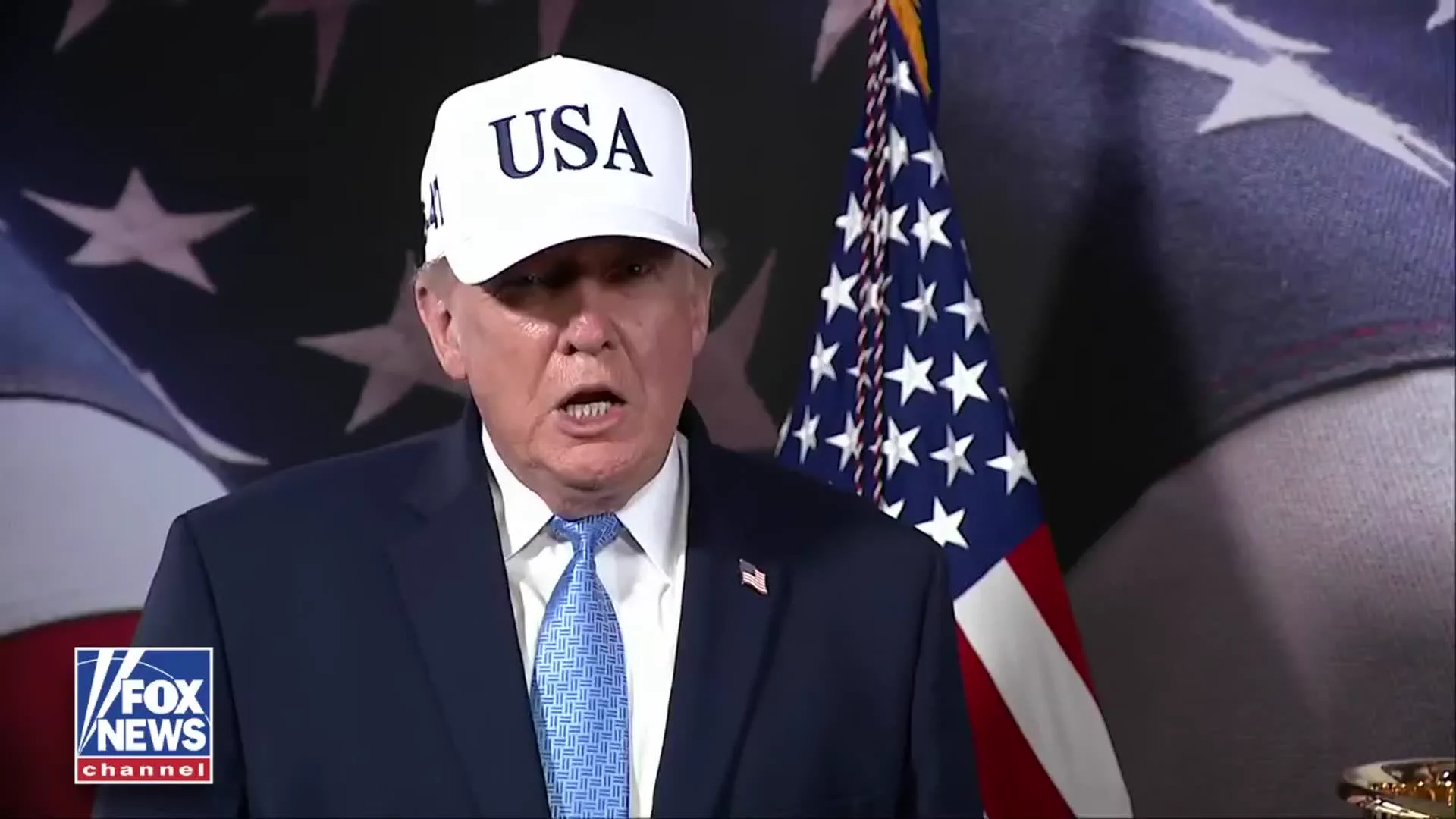
President Donald Trump posted on September 27, 2026, that the United States has achieved an "ultimate and MAJOR VICTORY over Iran" that will materialize "very soon," adding that "we've already won it really through from a military standpoint" and predicting oil prices will "go down way down" once the win is finalized. The statement, amplified by the EricLDaugh X account, explicitly ruled out a nuclear weapon for Iran. Hours earlier, Al Jazeera reported that Tehran had proposed reopening the Strait of Hormuz — closed or restricted during recent tensions — and was awaiting a "definitive response" from Washington through unnamed mediators. Trump dismissed the Iranian overture, telling reporters Iran needs a deal because it is "losing badly." The dueling messages came on the same day a panel including Abas Aslani of the Center for Middle East Strategic Studies, former U.S. Deputy Assistant Secretary of State Henry Ensher, and Zeidon Alkinani of the Arab Perspectives Institute debated whether the rejection signals a push for deeper concessions.
What the Evidence Establishes
The source material confirms three verifiable data points: first, Trump's public declaration of a near-complete military victory over Iran with a timeline of "very soon" and a direct link to collapsing oil and gasoline prices. Second, Iran's formal proposal to reopen the Strait of Hormuz, a critical chokepoint for roughly 20 percent of global oil shipments, transmitted through diplomatic mediators whose identities the sources do not disclose. Third, Trump's explicit rejection of that proposal on the grounds that Iran's deteriorating position strengthens Washington's leverage. The Al Jazeera segment timestamped 20:20 UTC on September 27 corroborates the Iranian offer and the U.S. refusal. No independent military assessment, satellite imagery, or Pentagon briefing is cited in the provided documents to substantiate the "military standpoint" claim. The phrase "NO NUKE for Iran" appears in Trump's statement but is not tied to any specific intelligence finding or IAEA report in the source packet.
Where the Accounts Conflict
Trump frames the conflict as effectively decided in America's favor, using past-tense language — "we've already won" — while simultaneously projecting a future "very soon" culmination. Iran's posture, conveyed through the Hormuz proposal, signals a willingness to de-escalate a specific flashpoint rather than concede total defeat. The mediator channel described by Al Jazeera suggests Tehran believes a negotiated settlement remains possible, contradicting Trump's assertion that Iran is simply "losing badly" and must accept U.S. terms. The panelists cited — Aslani, Ensher, Alkinani — offer competing interpretations: whether the rejection is a calculated pressure tactic or a genuine belief that military facts on the ground obviate diplomacy. The source does not provide Iran's official government statement, only Al Jazeera's characterization of the proposal, leaving a gap in Tehran's direct phrasing. No independent verification of mediator communications or the current status of Hormuz traffic appears in the packet.
Context and Stakes
The Strait of Hormuz handles approximately 21 million barrels per day of seaborne oil, per historical Energy Information Administration data; any sustained closure or restriction typically adds a $5–$10 per barrel risk premium to Brent crude. Trump's prediction that victory will drive oil "way down" implies he expects a rapid normalization of tanker flows and removal of war-risk insurance surcharges. The "NO NUKE" declaration aligns with longstanding U.S. policy but gains new weight if tied to a claimed military dismantlement of Iranian enrichment infrastructure — a claim the source does not substantiate with IAEA inspection references or strike assessments. For Tehran, the Hormuz offer represents a low-cost confidence-building measure that preserves nuclear leverage while easing pressure on global energy markets, potentially splitting the U.S. from European and Asian importers. The mediator track, if active, indicates back-channel diplomacy persists despite public maximalism. Financial markets have not yet priced a "major victory" discount; as of the September 27 close, Brent futures traded near $78, reflecting skepticism or insufficient information.
What to Watch Next
Three near-term indicators will test the competing narratives within 72 hours: first, whether the White House or Pentagon releases battle-damage assessments, satellite imagery, or intercepted communications substantiating the "military standpoint" victory claim. Second, whether Iran's UN mission or foreign ministry issues a formal response to Trump's rejection of the Hormuz proposal, and whether mediator channels — likely Oman, Qatar, or Switzerland — confirm continued dialogue. Third, crude oil market reaction: a sustained drop below $75 Brent would signal traders credit Trump's timeline; a hold above $80 suggests disbelief. Additionally, any IAEA snap inspection request or detected reduction in Iranian enrichment cascades at Fordow or Natanz would provide physical evidence for the "NO NUKE" assertion. The next scheduled OPEC+ meeting on October 5 could amplify price moves if Saudi Arabia signals comfort with higher output premised on Hormuz security.
Bottom Line
Trump's September 27 declaration of imminent total victory over Iran, coupled with a rejected Iranian proposal to reopen the Strait of Hormuz, exposes a stark narrative divergence: Washington claims the military phase is effectively over and prices will crash; Tehran signals a targeted de-escalation while awaiting a definitive U.S. reply through mediators. The source packet contains no independent military verification, no Iranian primary statement, and no mediator confirmation — only dueling public pronouncements. Oil markets remain range-bound, pricing neither a breakthrough nor a breakdown. The next 48–72 hours of Pentagon disclosures, Iranian diplomatic rejoinders, and crude price action will determine whether "very soon" translates into measurable strategic change or remains rhetorical positioning ahead of a negotiated arrangement that leaves enrichment capacity intact.
DECLASSIFIED SOURCE: Operative Telegram Feed (via Real-time Signal Upgrade)